
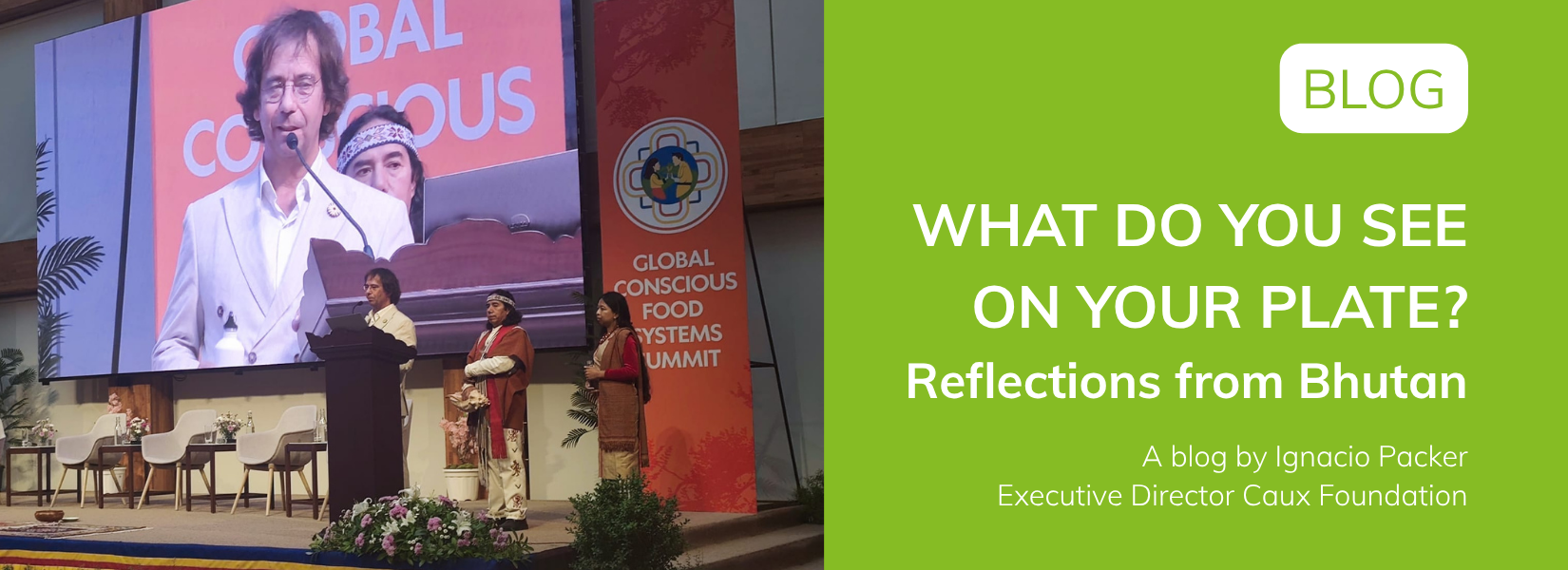
What do you see on your plate? - Reflections from Bhutan
A blog by Ignacio Packer, Executive Director Caux Initiatives of Change
07/09/2026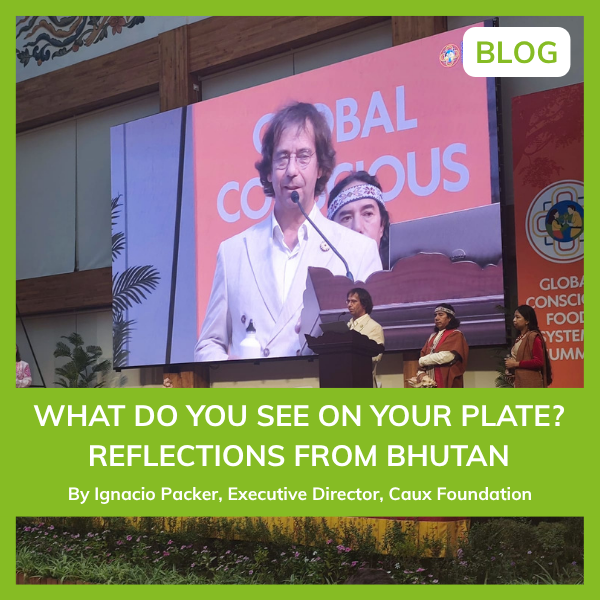
From 31 August to 4 September, Ignacio Packer, Executive Director of the Caux Foundation, joined participants from around 70 countries at the Global Conscious Food Systems Summit in Bhutan. What began as a gathering focused on food systems became, for him, a much broader invitation to reflect on the relationships that connect food with soil, nature, livelihoods, dignity, democracy and peace. In Bhutan, agriculture, spirituality, community and human wellbeing are deeply intertwined and the Summit left him with a simple but powerful question: What do we really see when we look at our plate?
Everything on our plate has a story
I came to Bhutan for the Global Conscious Food Systems Summit with food systems not exactly as my area of expertise. I leave convinced that they are very much my business - and everybody’s business.
Perhaps I should have known this from breakfast.
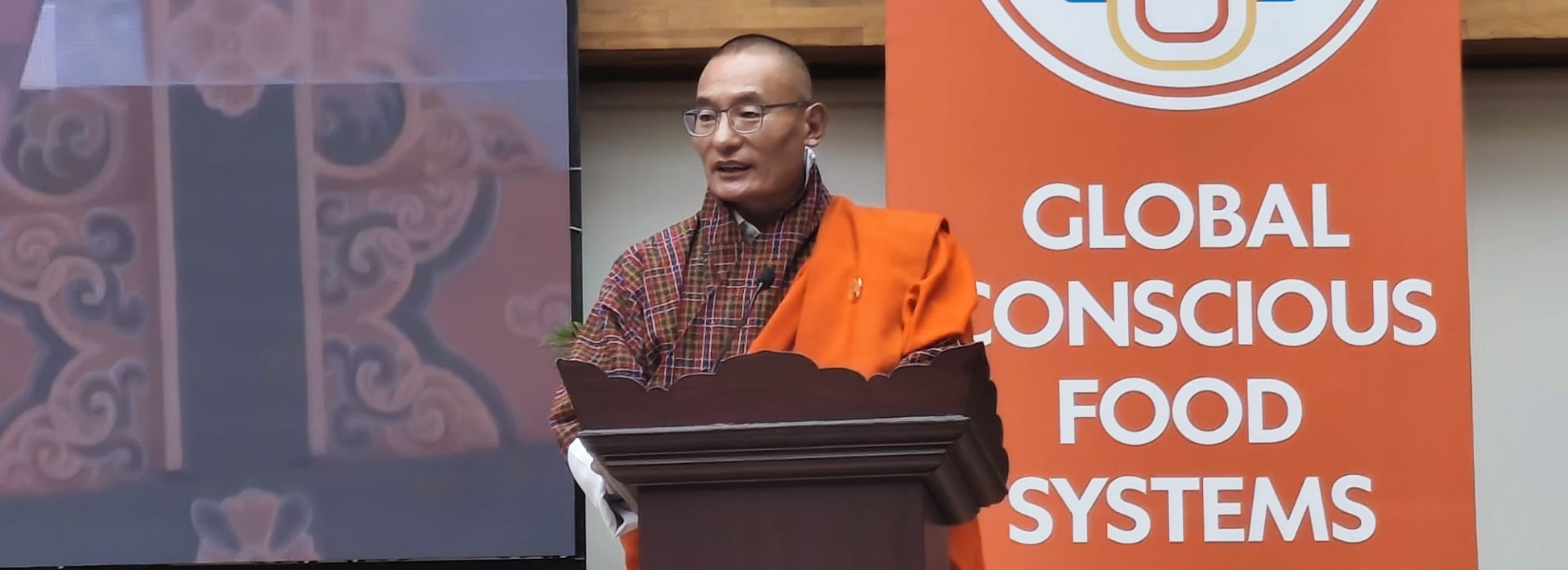
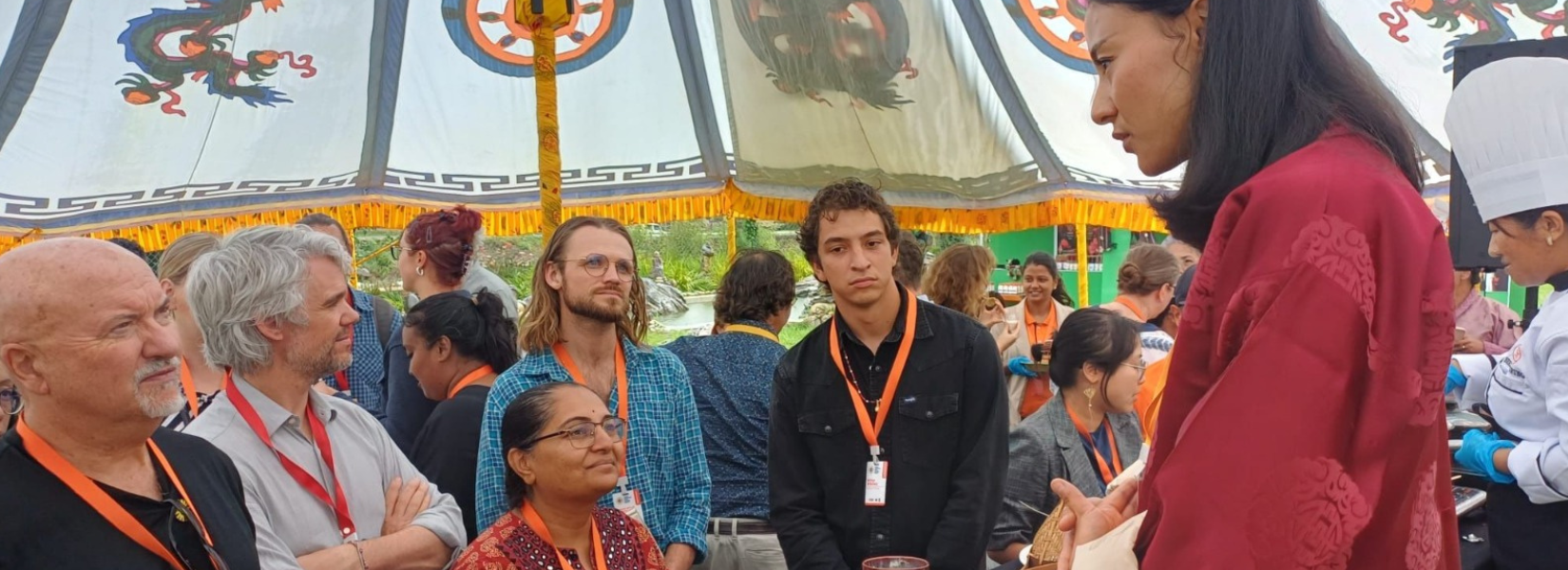
During the Summit, Bhutan’s Prime Minister, Dasho Tshering Tobgay, invited us to look beyond what is on our plates and see the people, resources and effort behind every meal.
This question stayed with me, not least because I had the privilege of staying with a Bhutanese family, Norbu and Chencho and their children, in their small rural guesthouse. I arrived as their only guest and, with the extraordinary warmth of Bhutanese hospitality, very quickly became a friend.
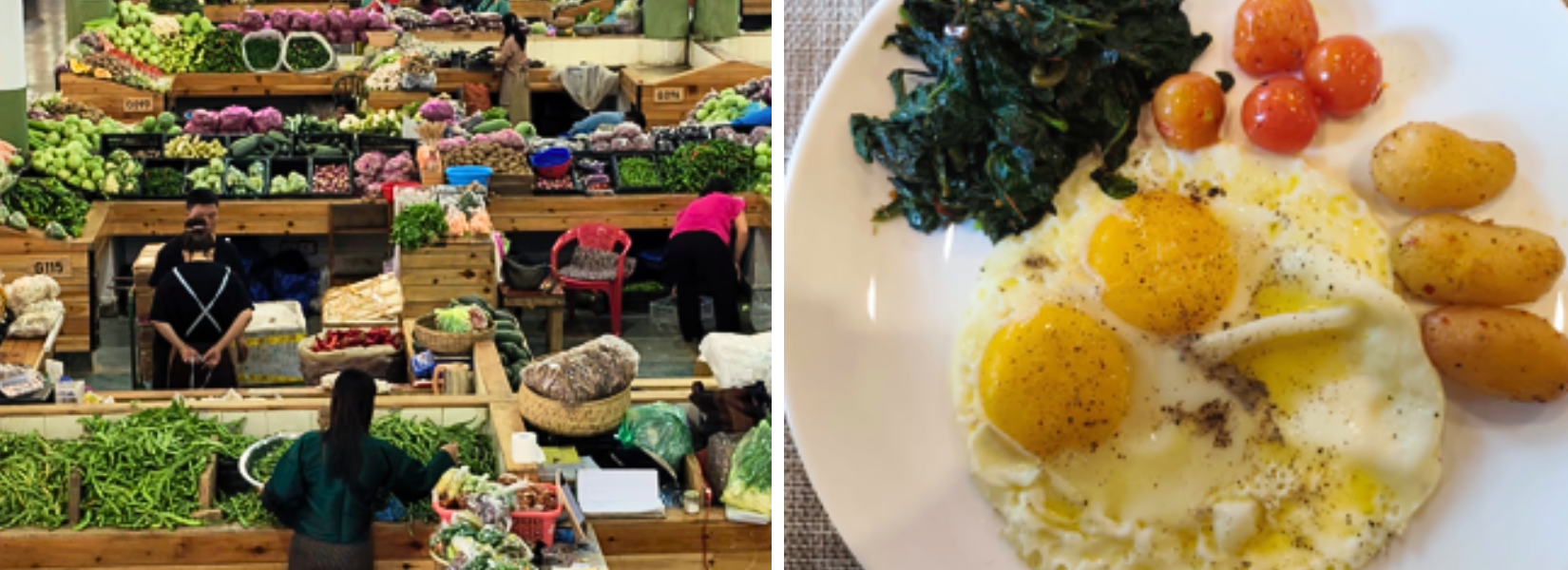
Each morning, Chencho brought breakfast to the table with extraordinary care. My hosts would explain where the food came from, what had been grown locally, and something about the farming behind it. And suddenly, breakfast was no longer just breakfast.
Before the food, there was soil. A seed with its history. Water, sun and a climate that had to cooperate. Knowledge accumulated over generations. A farmer who planted, waited, worried and harvested. Transport. A market, perhaps. Someone who prepared and cooked the food. And finally, the hands that placed it in front of me.
All of that was on my plate. But how much of it do I normally see?
“When in doubt, go local.” said Bhutan’s Prime Minister, Dasho Tshering Tobgay. It was an invitation to see the people behind every breakfast, including Norbu and Chencho, and the warmth of Bhutanese hospitality.
We need to look beyond what is on our plates and see the people, resources and effort behind every meal.
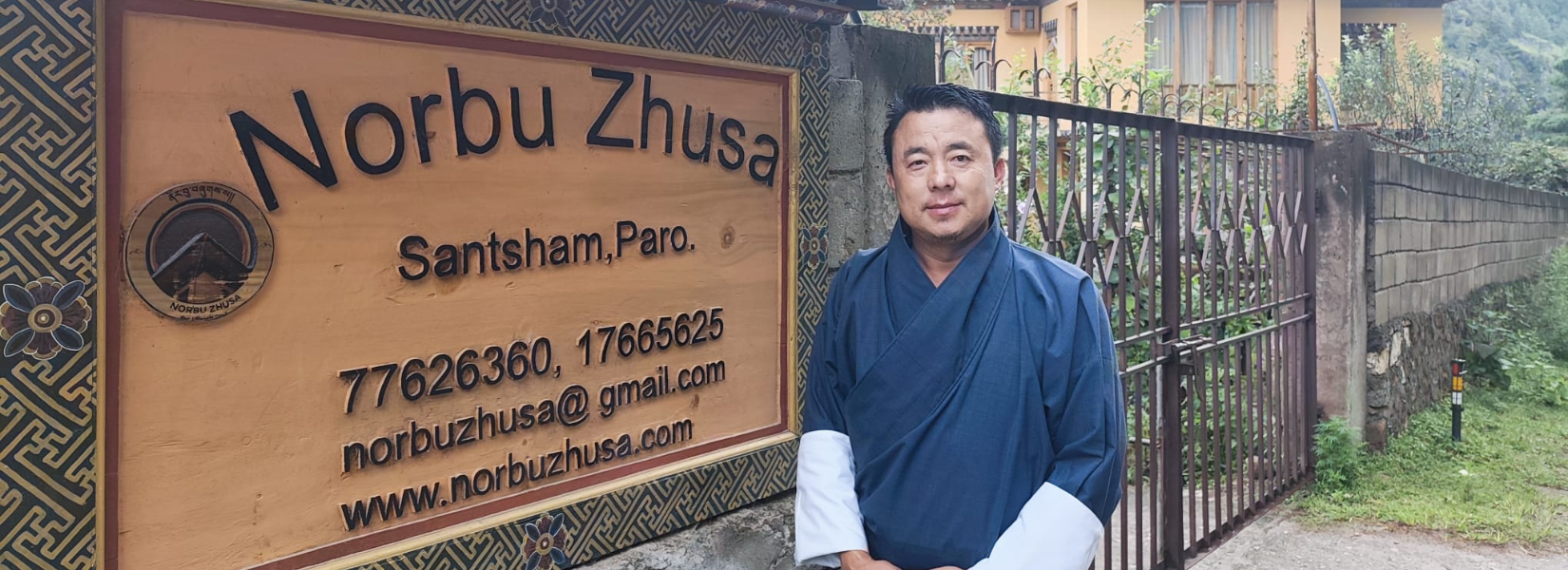
Ignacio's host, Norbu.
Learning to see the whole
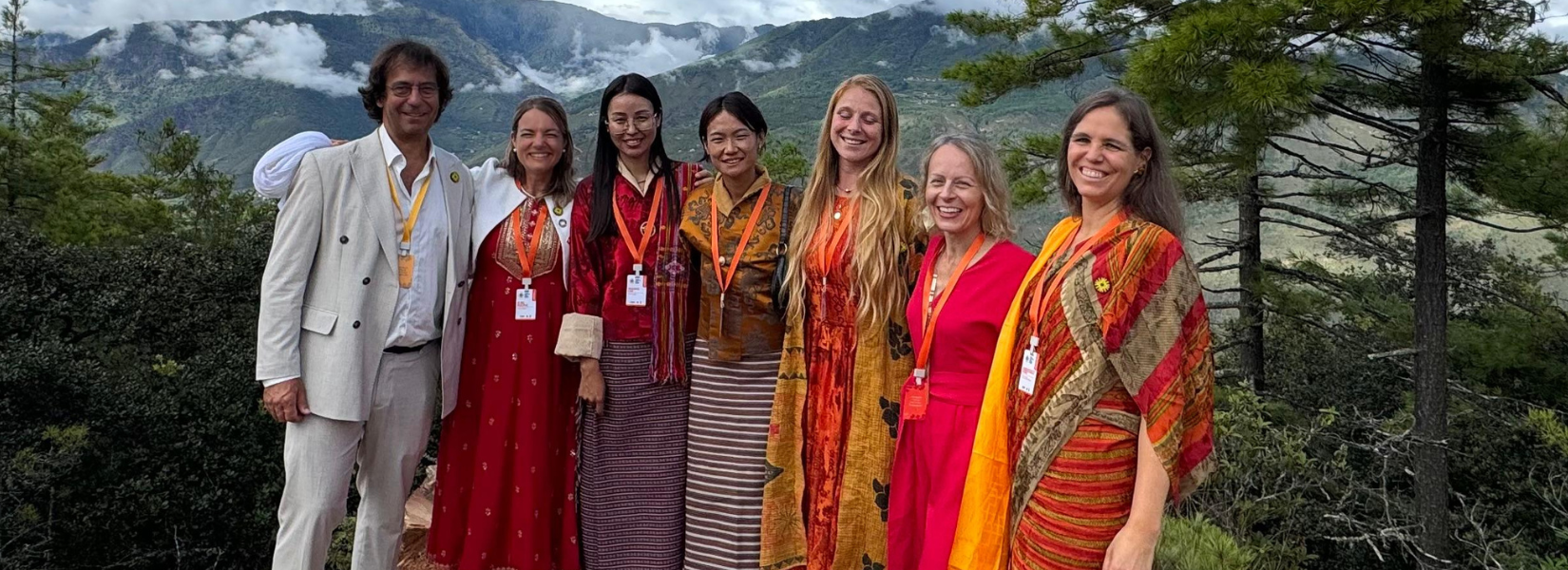
It is difficult to imagine a more meaningful setting for the Conscious Food Systems Summit than Bhutan and m deep gratitude goes to the Royal Government of Bhutan, UNDP and the Conscious Food Systems Alliance (CoFSA) for creating this remarkable gathering. Bhutan itself was part of the conversation. Mountains, forests, water, agriculture, spirituality, community and human wellbeing do not easily fit into separate boxes here. Nature is not somewhere else. And we are part of it.
And then there were the people.
There were so many wonderful encounters with people from Bhutan and participants from around 70 countries: farmers, policymakers, practitioners, entrepreneurs, researchers, investors and many others. Different cultures and experiences, but all connected through a strong sense that we were dealing with something that concerns us all.
It very much reminded me of the core of our work at the Caux Foundation for the last 80 years: create spaces where people who might otherwise not meet can encounter one another and make connections between issues too often treated separately.
Food is connected to climate. Climate to justice. Justice to dignity. Dignity to democracy. Democracy to peace. And all of them to our relationship with nature and with one another. And we urgently need to learn to see the whole.
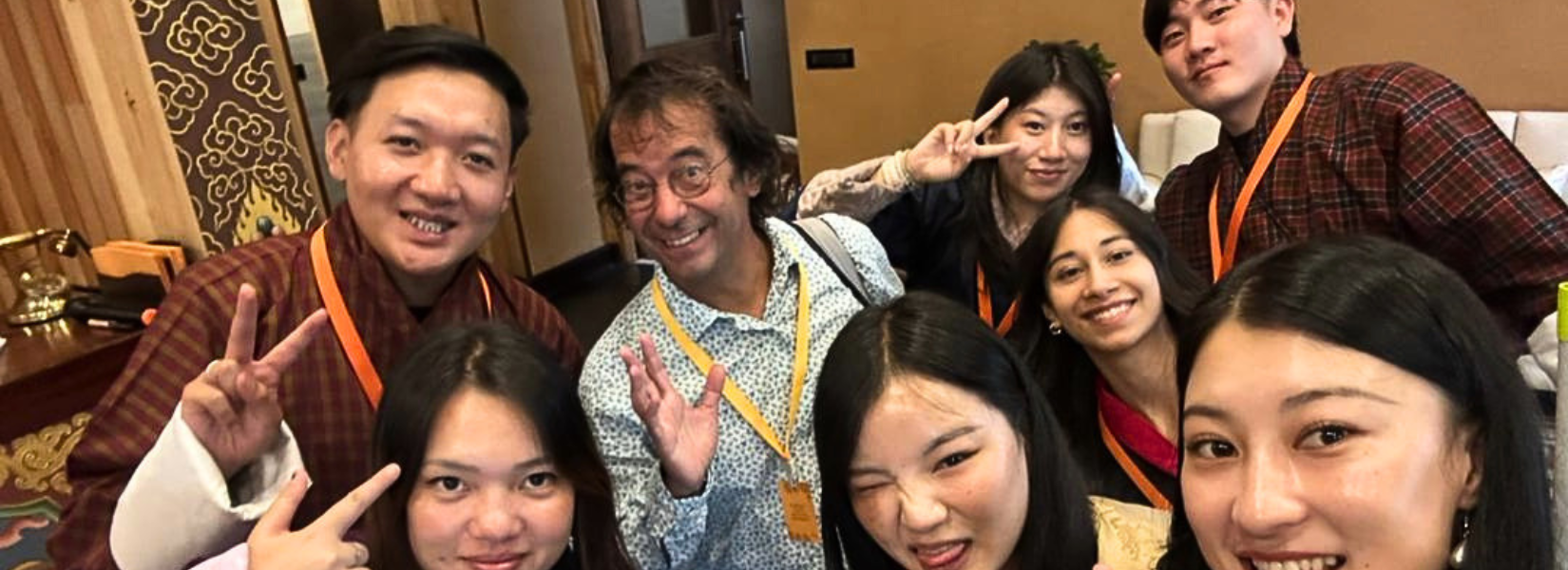
What does it mean to be "conscious"?
The name of the Summit in itself has been a source of reflection for me. What does it mean, to be "conscious"? For me, consciousness is seeing what we have learned not to see. It is the willingness to look again at what has become invisible through habit, assumption, conditioning, or familiarity. It is noticing the things we have stopped questioning, the perspectives we have stopped considering, and perhaps even the parts of ourselves we have learned to overlook.
I think of it as an inner compass: the values and convictions that help us find direction when there is no obvious map. I usually carry a small compass in my pocket and often find myself fiddling with it as a simple reminder to pause, question myself and ask: Am I still heading in a direction consistent with what I believe in?
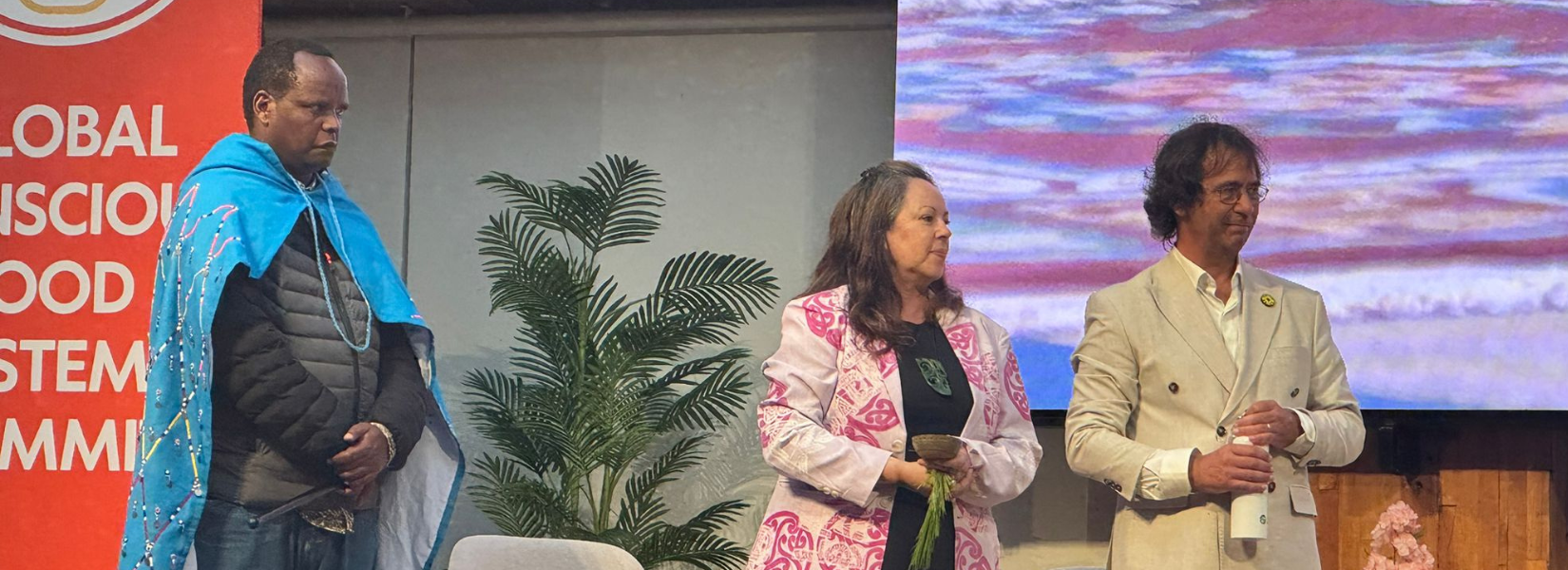
Consciousness means recognising relationships and consequences: between my choices and somebody else’s livelihood; between what I consume and the soil; between economic decisions and dignity; between how power is exercised and whether people have agency.
Consciousness requires attention: slowing down enough to notice. It requires self-reflection, asking what part I play. It requires responsibility, because once I have seen something, I cannot entirely unsee it.
This resonates deeply with the long experience of Initiatives of Change and our activities in Caux and Geneva: change begins with oneself.
In a very practical way, I have sometimes struggled to fully understand that phrase. Our challenges are profoundly systemic. This means that climate change, inequality and dysfunctional food systems will not be solved by personal reflection. But change beginning with oneself does not mean that change ends with oneself. It means connecting inner development with outer change.
I believe that consciousness without action remains reflection. Action without consciousness risks reproducing the patterns we are trying to change. We need both.
For me, consciousness is like an inner compass: the values and convictions that help us find direction when there is no obvious map.
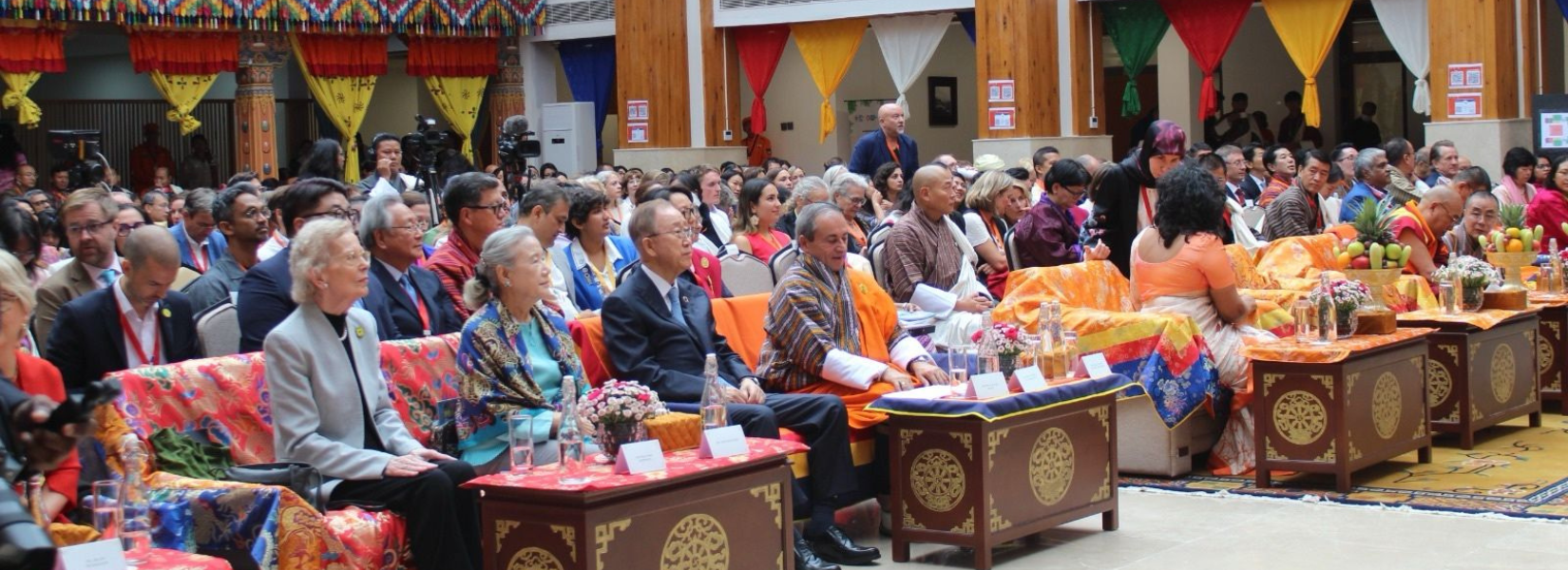
What is a food system for?
Of course, we need better, fairer and more inclusive markets, finance, technology and policies. But I kept returning to a more fundamental question: What is the purpose of a food system? Surely it cannot simply be to produce more food. It must be to nourish people, communities, soil, nature, human dignity and future generations.
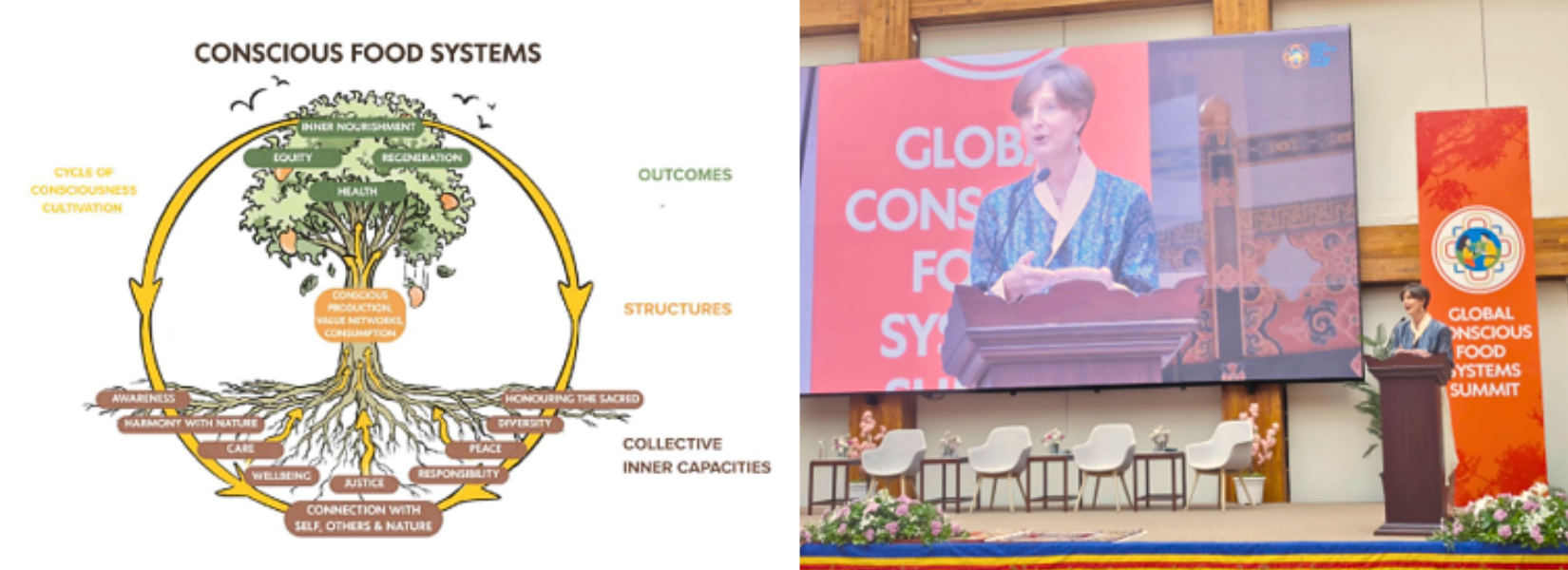
This is why an important moment in Bhutan was the launch of the Conscious Food Systems Framework, bringing together more than five years of CoFSA’s co-creation, inquiry and movement-building.
The Framework connects vision and values, conscious ways of working, inner change and systemic transformation, alongside practical experience from more than 50 initiatives.
Its value, for me, will be in what happens next: not another framework to put on a shelf, but something to work with, question, test and put into practice for a more just and sustainable future.
What does democracy have to do with breakfast?
My own professional journey has increasingly brought me into questions of democracy, trust and peace. Looking at my breakfast plate, I found myself asking: What does democracy have to do with what is on my plate? Quite a lot, I think.
Who owns the land? Who controls seeds? Who decides what is grown? Who has access to finance and technology? Who receives the value created? Who carries the risks when the climate changes? Whose knowledge counts? And fundamentally: Who has a voice?
These are food questions, but they are also questions of power, participation, justice and dignity. They are democratic questions.
This is the reason why our democracy work at Caux Foundation does not only focus on institutions and elections, important as they are. It also focuses on trust, relationships and our capacity to live with difference. Democracy depends on people believing they have agency, that their voice matters and that they belong. The same is true of food systems.
When farmers struggle to make a living, when soil is exhausted for short-term returns, or when decisions are taken far from those who live with their consequences, dignity, agency and trust are affected.
This is where food systems, democracy and peace meet. Peace is not simply the absence of war, as we hear repeatedly. Peace also grows from dignity, fairness, belonging, trust and the possibility of imagining a future.
Democracy depends on people believing they have agency, that their voice matters and that they belong. The same is true of food systems.
Pain, hope and small islands of leadership
One thought in particular stayed with me throughout the Summit: pain and hope can coexist.
Soils are being degraded. Climate change is disrupting livelihoods. Farmers are struggling or abandoning the land. Inequalities persist. Democracies are under strain and trust is declining. We should not minimise this pain. But recognising pain does not require surrendering to despair.
Bhutan gave me plenty of energy to continue choosing hope over cynicism and despair. Among the people gathered from 70 countries were so many already doing things differently: restoring soil, recovering knowledge, experimenting with new models, rethinking finance and reconnecting food with health, community and nature.
A farmer restoring exhausted soil. An investor accepting a different understanding of return. A policymaker genuinely listening to those who cultivate the land. A chef choosing ingredients with care, honouring where they come from and turning them into nourishment. A community reclaiming agency over how it feeds itself. I think of these as small but crucial islands of positive leadership.
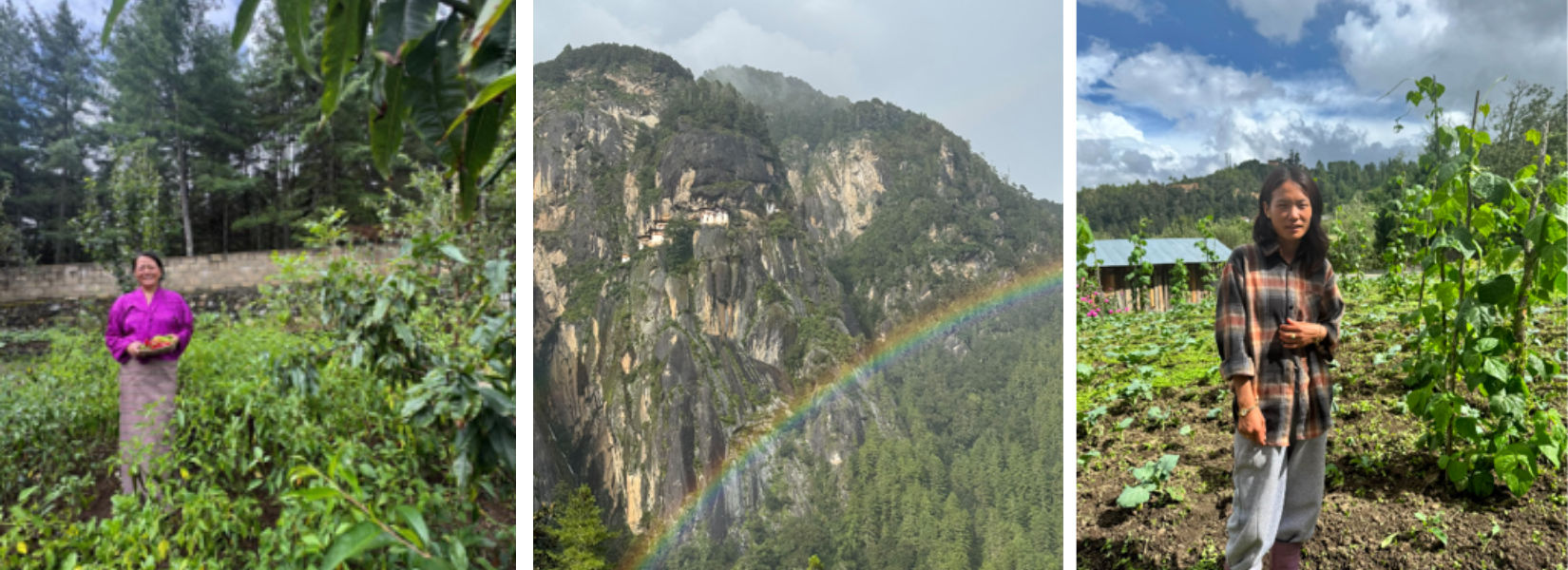
This also echoes the long experience of Initiatives of Change’s Farmers’ Dialogue, bringing farmers together across countries around our relationship with land, food and one another. It recognises farmers not simply as producers, but as custodians of soil, knowledge and our common future.
None of these actions transforms a global system alone. But each shows that another way is possible. Perhaps systemic change starts with enough people, in enough places, behaving differently - and then finding one another.
Our task is to connect these islands of leadership.
What comes after the Summit?
CoFSA partnered with the Caux Foundation for the 2024 Caux Inner Development Goals Forum, particularly around the SDG 2 workstream, and right from the start, this connection has felt natural: creating spaces where people can slow down, build trust, see differently and return to the world better equipped to act. I am also proud to have served, since the beginning of this year, on CoFSA’s International Advisory Committee. After Bhutan, I hope to deepen my contribution.
What Andrew Bovarnick, Charlotte Dufour, Thomas Legrand and the fantastic CoFSA team have helped guide feels quite unique: a deeply collective endeavour, engaging many people and perspectives, and connecting knowledge, consciousness and action across boundaries that too often keep us apart.
But a Summit should not end when the Summit ends. So, what will I do differently after the Summit in Bhutan?
First, I will never look at my breakfast in quite the same way again. Where did it come from? Who produced it? What soil, water and human labour made it possible? What remains hidden from my view?
Second, I will use and promote the new Conscious Food Systems Framework, including in conversations beyond food systems around democracy, peacebuilding, humanitarian action and leadership.
Third, I will keep making connections. Food, climate, democracy and peace are not separate agendas. Questions of land, resources, agency, participation and dignity concern the kind of societies we build.
And I will try to connect those small islands of leadership. One of the privileges of my professional life has been moving between communities that do not always meet. I hope to continue doing that.
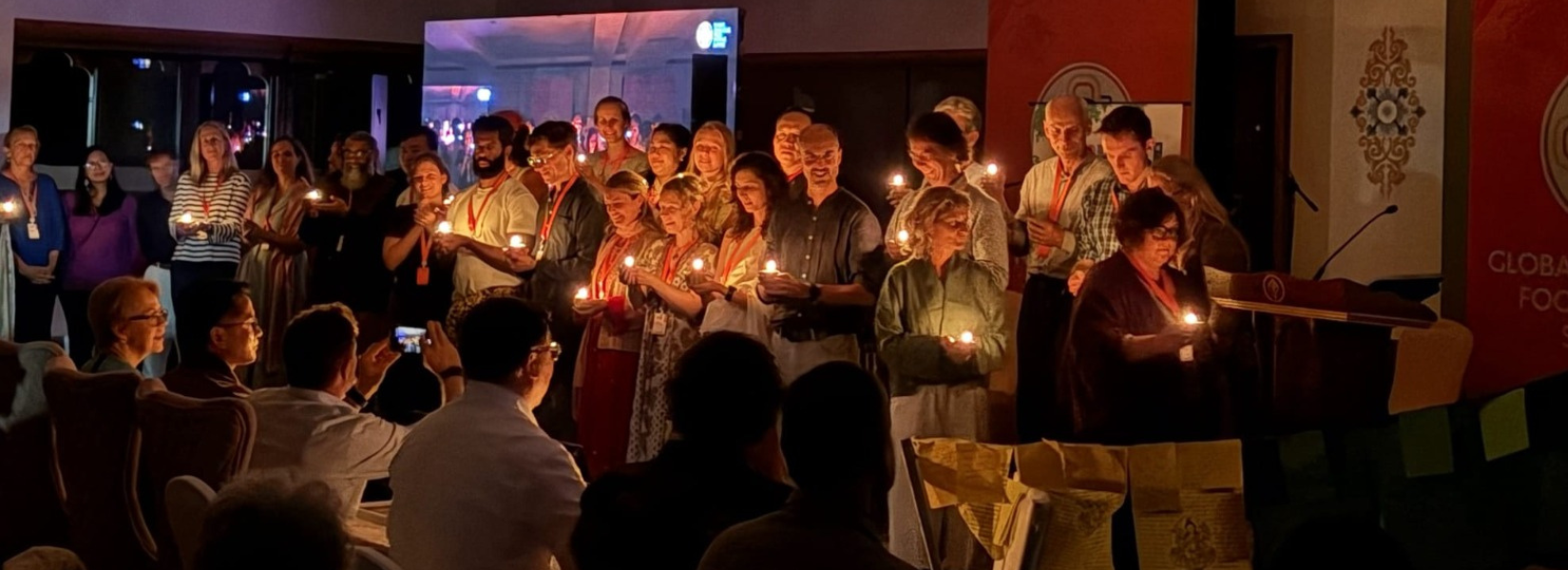
Everything is urgent: climate, soil degradation, farmers’ livelihoods, democratic decline, war and polarisation. Yet both, Caux and Bhutan, remind me of the importance of giving ourselves permission: not to act less urgently but to see more deeply.
So tomorrow morning, perhaps we could pause before taking that first bite. Look at the plate. And see beyond it. The soil. The seed. The farmer. The rain. The market. The cook. The choices. The relationships. The extraordinary web of cooperation between people and nature that allows us to eat.
Then ask: What do I really see on my plate?
Perhaps consciousness begins there: seeing more of what is there, recognising that we are part of it, and accepting that what we see asks something of us.
Because the purpose of a food system should not simply be to feed the world. It should help us nourish the world: people, nature, dignity, democracy and peace.
Consciousness begins there: seeing more of what is there, recognising that we are part of it, and accepting that what we see asks something of us.
Ignacio Packer is Executive Director of the Caux Foundation, a Swiss charitable foundation committed to promoting trust, ethical leadership, sustainable living, and human security. With more than 30 years of experience in humanitarian work and development, he worked at the Development Bank of Latin America and at KPMG before becoming a recognized leader of NGOs and international alliances for over 25 years. An expert in human rights and social issues, he has been particularly engaged in advocating for the protection of migrants and refugees, especially children and young people.
____________________________________________________________________________________________________________
Further reading & connections
- Global Conscious Food Systems Summit - Bhutan 2026. Visit the Summit website
- Fiona Harvey, “Bhutan hosts first ‘conscious food summit’ amid threats to global supplies,” The Guardian, 31 August 2026. Read the article
- Explore the Conscious Food Systems Framework - CoFSA’s framework for bringing consciousness and inner capacities into food-systems transformation. Explore the Framework
- “From Caux to Bhutan: Water Knows No Border”. Read the story on LinkedIn
- “How the Inner Development Goals can help shape Conscious Food Systems: reflections from the Caux IDG Forum”, 2024, Charlotte Dufour, Nadene Canning and Ignacio Packer. Read the article
Photo credits: Caux Foundation, CoFSA, Elise Buckle, Norbu