
Giving: The Quiet Force That Brings Caux To Life
A blog by Ignacio Packer, Executive Director, Caux Initiatives of Change
19/03/2026
In a world that feels unstable, the force that sustains places of connection and hope is often invisible. At Caux, this quiet force has a name: the act of giving. In this blog, Ignacio Packer, Executive Director of the Caux Initiatives of Change Foundation, reflects on the importance of human connection, on places of inspiration like the Caux Palace, and on what enables them, over time, to continue carrying out their mission.
__________________________________________________________________________________________
Lausanne, 15 March 2026
This morning, I am writing these lines while looking out over Lake Geneva. The water is calm, almost still, and the sun plays across its surface, gently shimmering. There is something peaceful in this light.
Sundays often have this particular quality for me: a moment to slow down, to step back, to let things settle. This morning, I took part in a gathering of members of Reso, the community created by philosopher and writer Fabrice Midal. For many years, he has explored meditation, attention, and ways of living with greater presence in an often turbulent world. I recently joined this community, and these meetings often open unexpected avenues for reflection.
This morning, one of the questions was about giving. And it came to me at a particular moment.
News from the world continues to arrive. The situation in Lebanon, which my friend Roweida spoke to me about yesterday from Beirut. A conversation with an Iranian friend who shared the reality of her country of origin. Wars that spread or stagnate. Fragile societies. Displaced people. At times, I feel that tensions exceed our collective capacity to contain them.
Faced with this, a temptation arises: cynicism. Or habit. As if, little by little, we risk becoming accustomed to the unthinkable.
I remain deeply convinced that we cannot resign ourselves to this. We can choose something else: to remain curious, attentive, open. To keep seeking, understanding, connecting. To stay engaged, capable of hope. To move forward with what I have called for more than twenty-five years a “forward balance”: a movement that keeps us connected to ourselves, to others, and to the world—even when it falters.
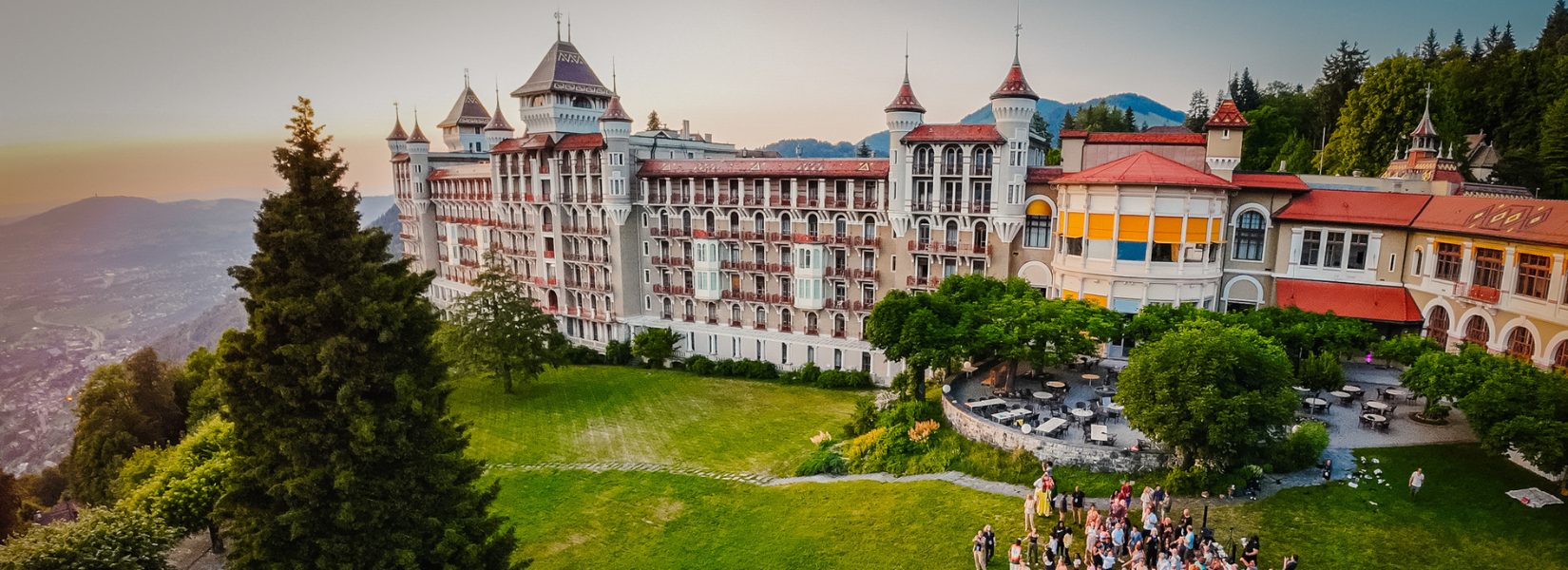
At the Caux Palace, our center for dialogue and trust-building, our communications on social media are currently encouraging registrations for this summer’s Forums. Perhaps that is why I am also thinking of the entire team preparing these gatherings with considerable energy, often without counting their time.
I am also thinking of this past week, with the event “Thinking 'Art' to Heal Wounds,” organised in Geneva as part of the Caux Arts and Peace Encounters. It brought together Lebanese actor and cultural mediator, Michel Abou Khalil, and physician, writer, and gallerist Barbara Polla, in a conversation moderated by journalist Luisa Ballin.
So many voices exploring how art can open pathways toward healing the wounds of the world. So many moments where, modestly but resolutely, we try to create spaces for dialogue and listening.
This is also what inspired me to return to a blog I had left unfinished for some time, centered on a simple but essential question: what it means to give.
Because at Caux, the more I observe what has been lived here over the past 80 years, the more I realise that giving is not just a one-time gesture. It is one of the deepest elements that make possible what we are trying to build together.
Giving is not just a one-time gesture. It is one of the deepest elements that make possible what we are trying to build together..
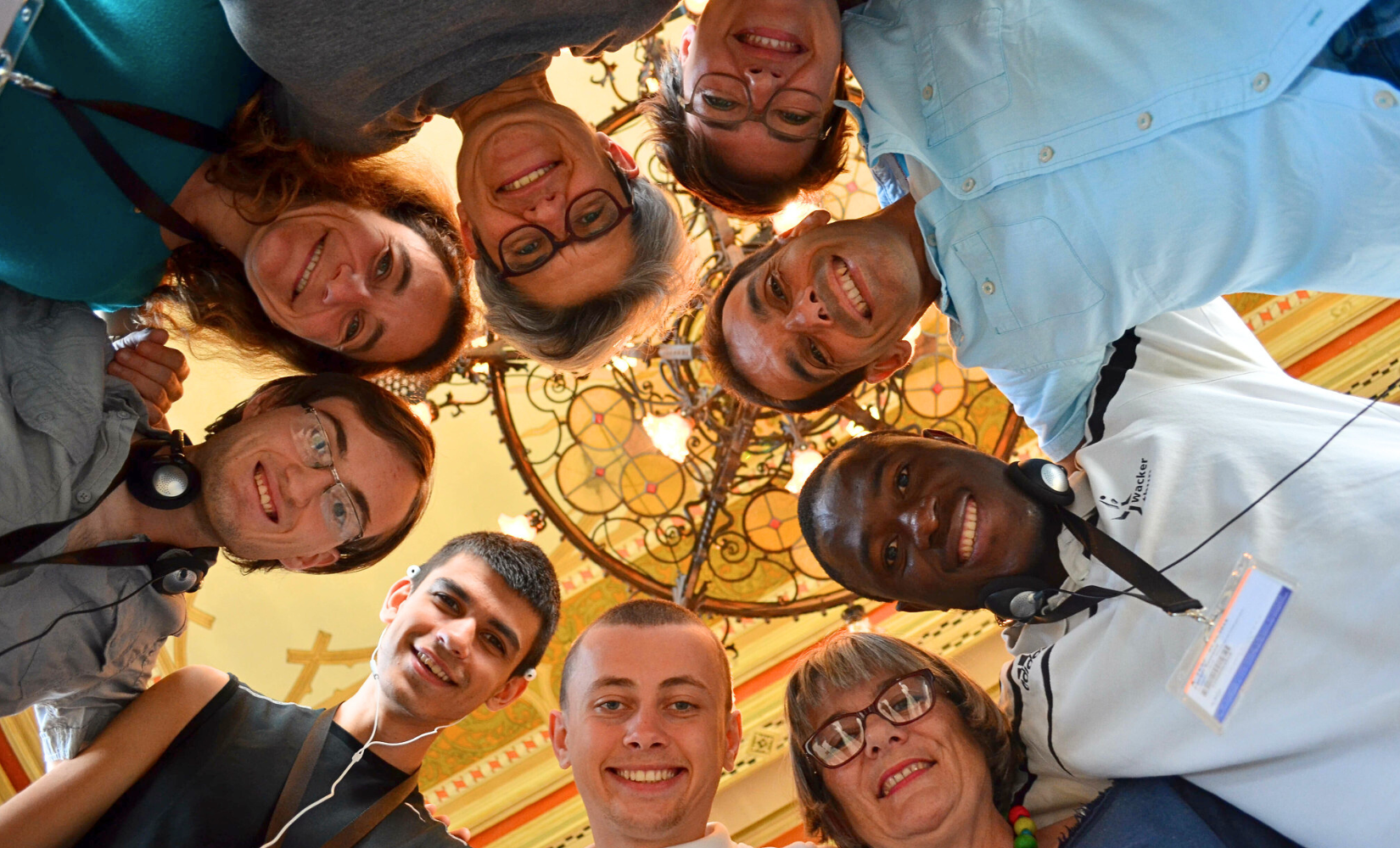
When you look at the Caux Forums, you see programs, speakers, workshops, arrivals and departures, posters, and long task lists. But beneath all that, there is something more discreet—and perhaps more essential: giving. It reminded me of something Fabrice Midal said this morning: “Giving is not first and foremost a moral obligation, nor a heroic effort. It arises when we feel touched, concerned, connected. It then becomes a way of inhabiting the world.”
At Caux, this idea takes very concrete forms.
First, there is the gift of speech.
Speakers who agree to come—sometimes from far away—to offer much more than expertise: an experience, a conviction forged through trial, a part of their own journey. In a world saturated with commentary, a sincere and meaningful voice is already a gift to the community.
There is also the gift of time.
At Caux, work is not measured only in hours—it comes from the heart. Our many volunteers generously give their time, energy, and attention, helping to make each event a true success. Their commitment is quiet but essential, and we are deeply grateful.
And I know I am not the only one who feels this. Here, so many people offer more than their presence: patience, care, and genuine attention to others. I remember a colleague telling me after a summer rich in events and emotions: “I know why I do this.”
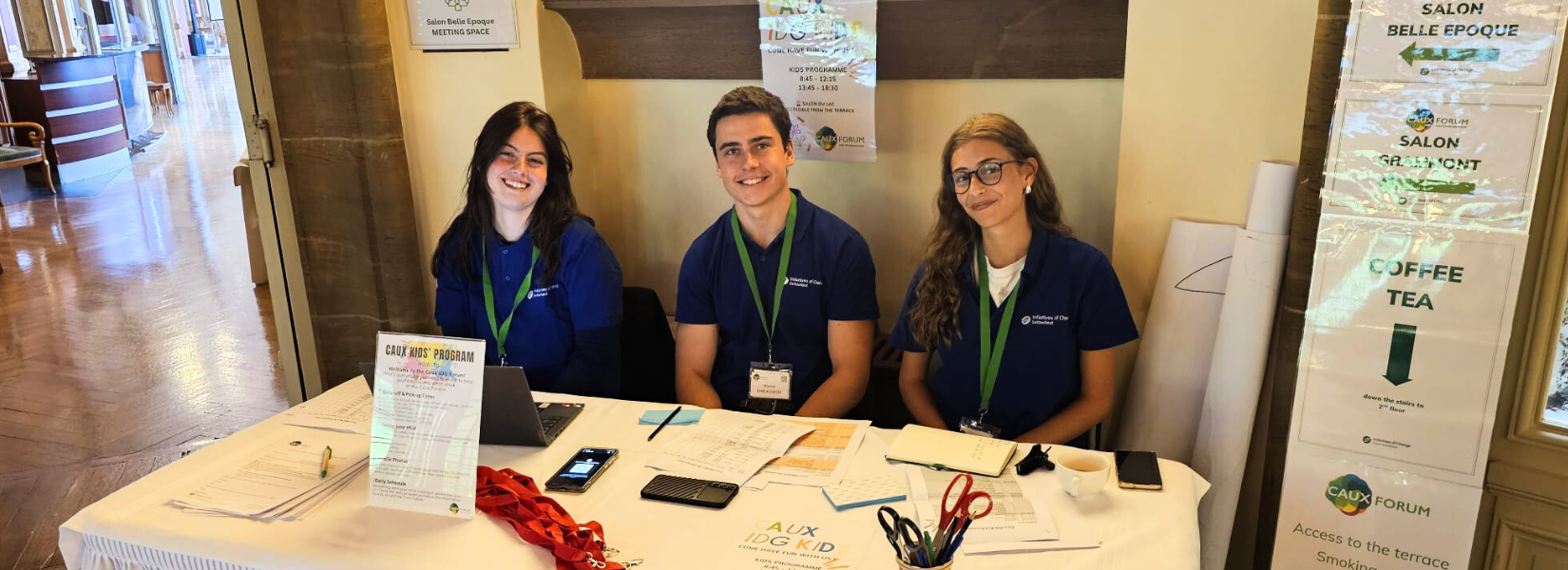
There is also financial giving, without which many things would remain beautiful intentions. Making a donation to Caux is not limited to restoring a historic building—even though such work, like the restoration of the retaining wall, is essential to preserving the Caux Palace.
Each contribution helps keep this place alive—dedicated to dialogue, trust, and peace—and ensures it continues to welcome visitors, organise meaningful events, and inspire future generations.
In addition, our Solidarity Fund enables people who otherwise could not afford it to take part: committed young people, voices from fragile contexts, grassroots changemakers who have much to contribute but few resources to travel. Providing financial support is therefore far more than a material gesture—it is offering a possibility, a seat at the table, a chance to meet.
At its heart, the Caux Forum is sustained by a chain of generosity. Some give their voice, others their time, and others their means so that this shared endeavour remains open and alive. Here, giving is not reduced to a single act—it becomes a way of sustaining a community bound by curiosity, commitment, and the desire to build a more just world.
At Caux, giving becomes a way of bringing a community to life..
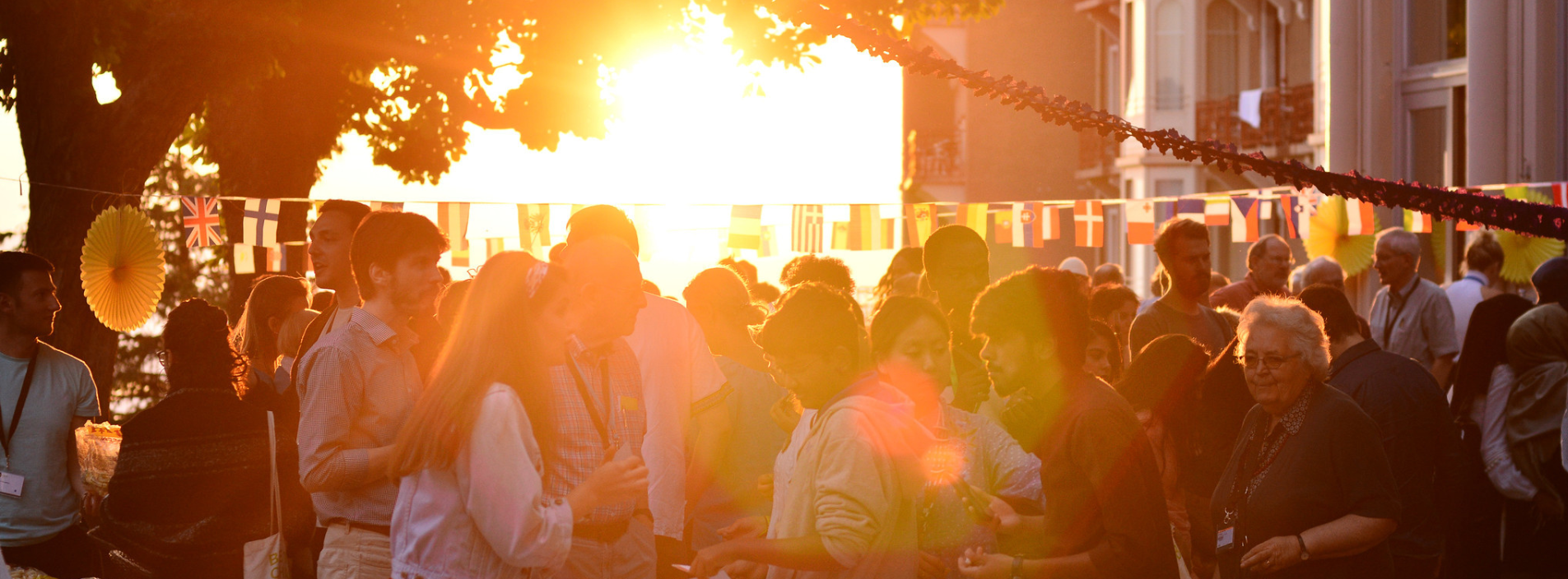
For more than 80 years, the Caux Foundation has sought to create this kind of space: a place where wounds can be acknowledged, where bridges can be rebuilt, where very different people can meet in new ways.
None of this exists without generosity. So to those who already give—through their presence, their listening, their work, their trust, or their resources—I simply want to say: thank you.
And to those wondering whether they, too, could take part in this journey, the answer is: yes.
Giving takes a thousand forms. Time. A skill. A network. An idea. Encouragement.
Giving takes a thousand forms. Time. A skill. A network. An idea. Encouragement.
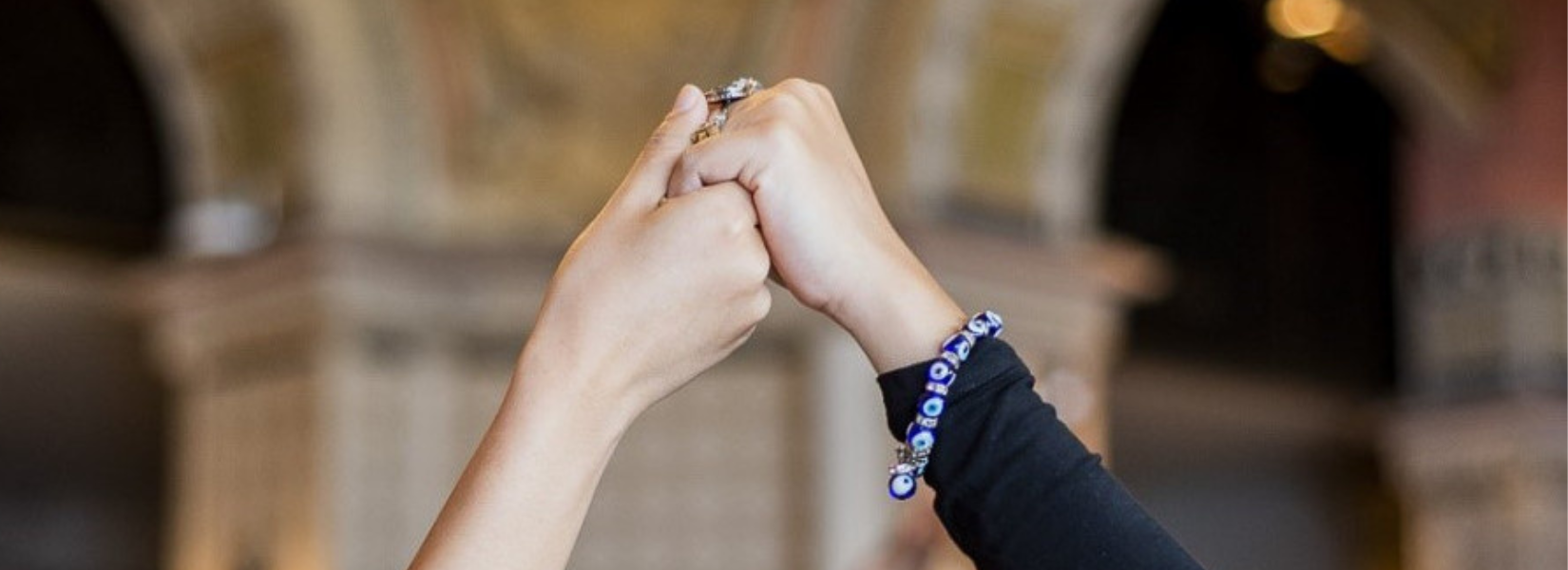
At Caux, we have long known that a place like this does not live primarily through its walls. It lives from what women and men choose to bring to it—and what they carry away with them afterward.
In an increasingly fractured world, what still makes it possible to sustain these spaces of connection and hope? At Caux, the answer often lies in a quiet but essential force: giving.
A listening ear.
A presence.
A little time offered.
And sometimes simply that quiet gesture that reminds someone, somewhere in the world:
you are not alone.
Would you like to support our work?
____________________________________________________________________________________________________________
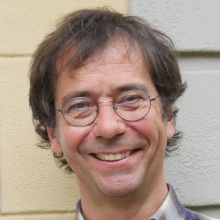
Ignacio Packer is Executive Director of the Caux Initiatives of Change Foundation, a Swiss charitable foundation committed to promoting trust, ethical leadership, sustainable living, and human security. With more than 30 years of experience in humanitarian work and development, he worked at the Development Bank of Latin America and at KPMG before becoming a recognized leader of NGOs and international alliances for over 25 years. An expert in human rights and social issues, he has been particularly engaged in advocating for the protection of migrants and refugees, especially children and young people.