Imagination, Arts, and the Long Work of Peace
A blog by Maruee Pahuja
10/03/2026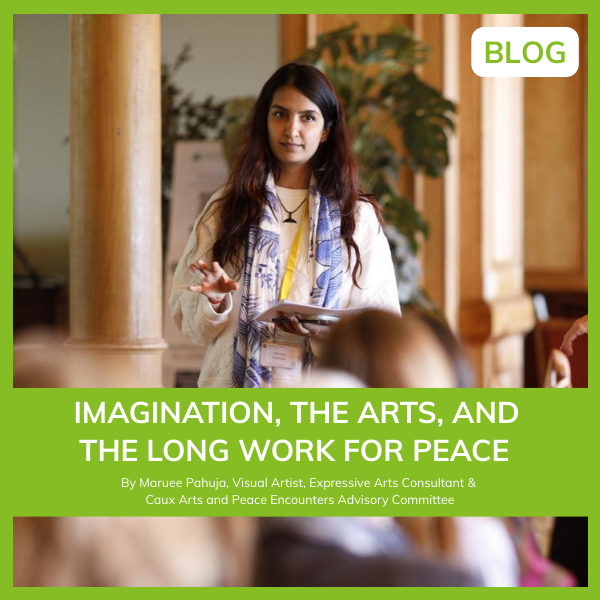
Maruee Pahuja (India) works at the intersection of arts, science, and human connection. An eye care practitioner, visual artist, expressive arts consultant, and process facilitator, she explores how creativity can nurture perspective, empathy, health, and pathways to peace. At the Caux Initiatives of Change Foundation, she leads arts-based work with young leaders through the Creative Leadership youth initiative and serves on the advisory and steering committee of the Caux Arts and Peace Encounters.
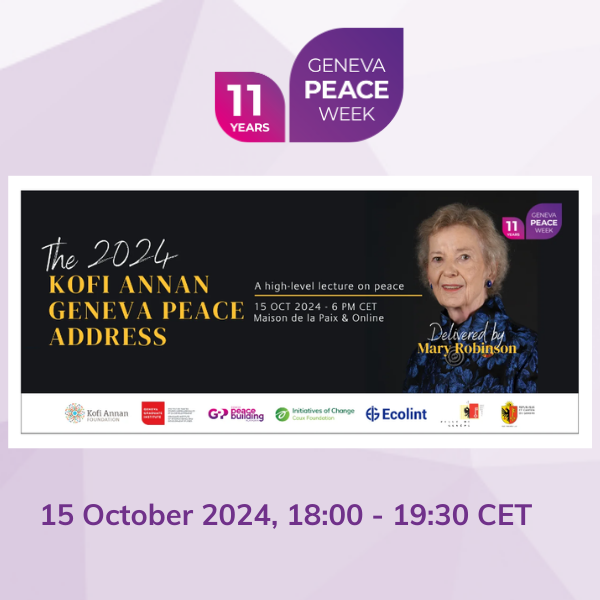
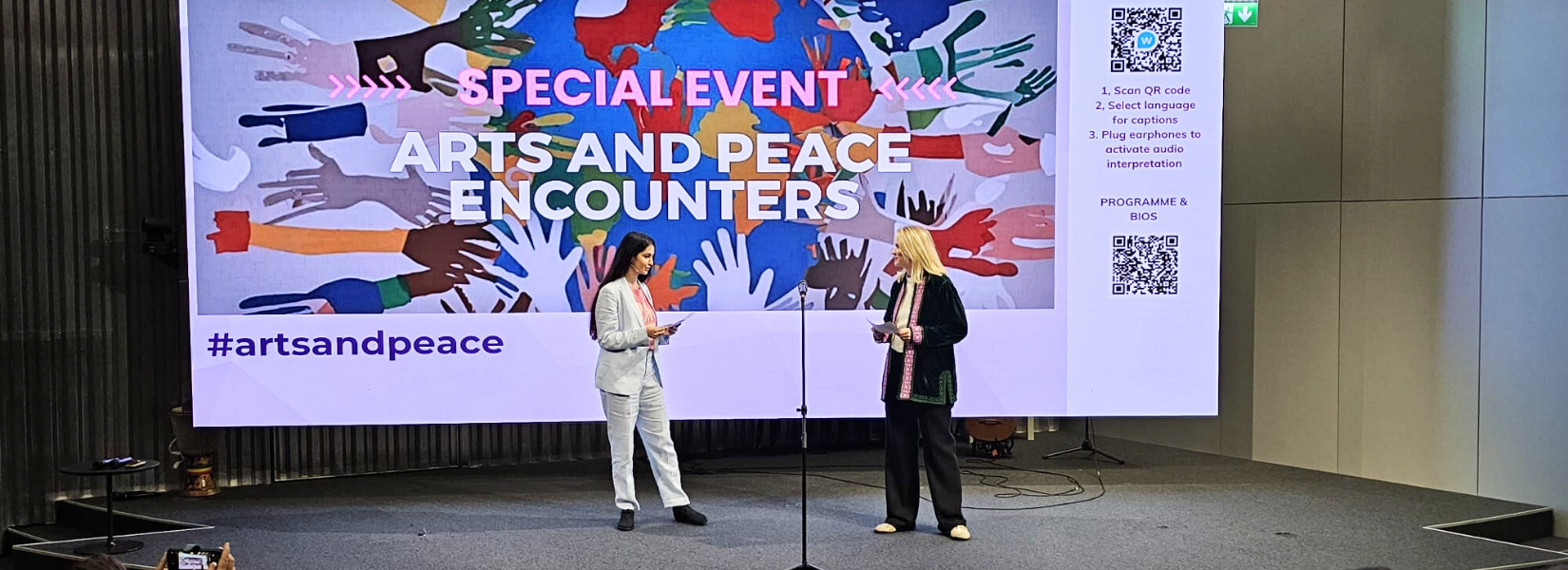
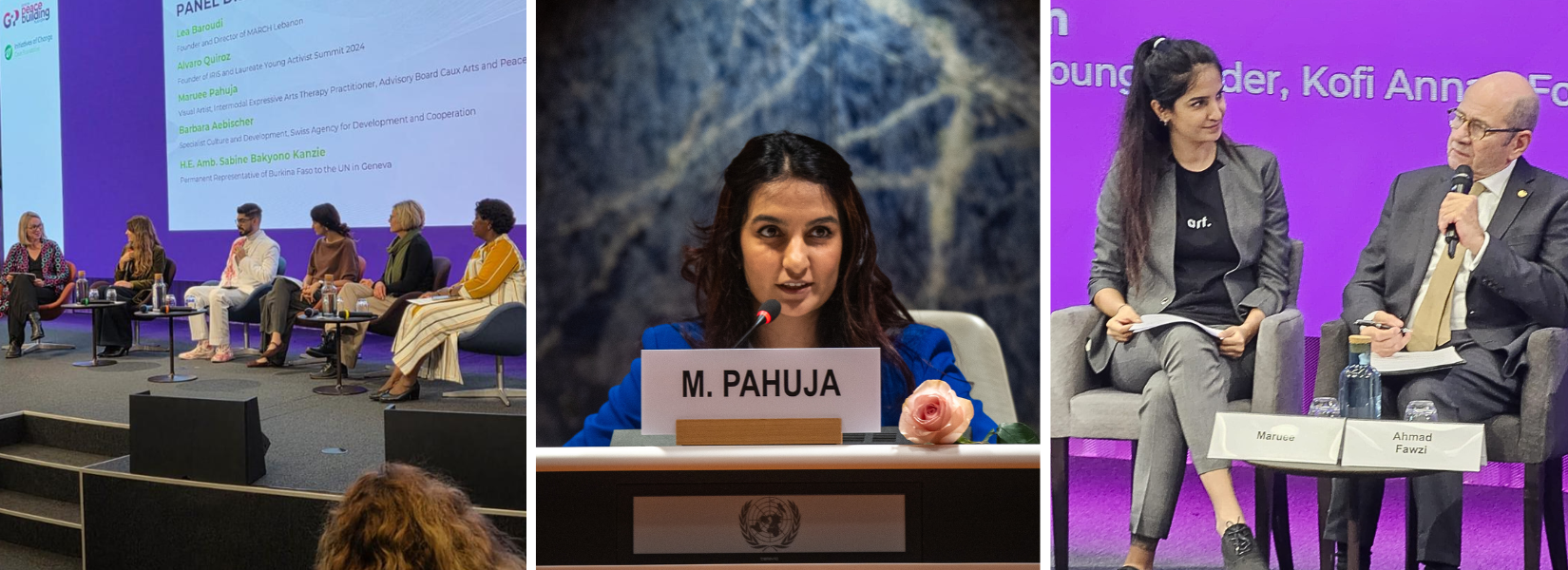
Maruee has been a speaker at a range of international events, including the Kofi Annan Peace Address 2024, the International Day of Conscience 2025, and the closing ceremony of Geneva Peace Week 2025. She has facilitated workshops exploring imagination, movement, and creative expression as powerful tools for empathy, hope, and resilience.
_______________________________________________________________________________________
I reflect critically on the times we are in, especially as an artist, resonating deeply with Adrienne Maree Brown, who writes in Emergent Strategy: “I may be guilty of being a visionary talker, so I concentrate my work on the generation of vision, the strengthening of the muscle of looking forward together.”
The role of the arts in peacebuilding has allowed me to step into an intersection I’ve been intentionally walking for years. Preparing for the Caux Arts and Peace Encounters last year and the workshop at Geneva Peace Week 2025 was both a joy and a reckoning. What may appear as a few weeks of preparation is actually years of invisible work: research, practice, trial anderror, and trust in the arts and in humanity, even amid challenging political ecosystems.
The role of the arts in peacebuilding
In our line of work, burnout, hopelessness, and empathy exhaustion are common. My friend Debra Roberts once said to me: "Trust your creativity; it's really the ultimate insurance policy in life. The creative act is what keeps us alive and well." If we want to continue working as changemakers, leaders, and peacebuilders, we must also build hope and the capacity to be alive and well.
As peacebuilding pioneer John Paul Lederach says, peacebuilding itself is a creative act. This connects to the idea of salutogenesis — the origin of health. It’s not about curing disease after it occurs, but focusing on the conditions that create health and resilience.
We are in the midst of a polycrisis. Overwhelm, fatigue, and anxiety are inevitable. Many young leaders I’ve worked with have expressed these struggles.
Building and sustaining imagination in such times is therefore our responsibility as creative beings, and the arts offer one of the most vital pathways through which this capacity can be nurtured.
If we want to continue working as changemakers, leaders, and peacebuilders, we must also build hope and the capacity to be alive and well.
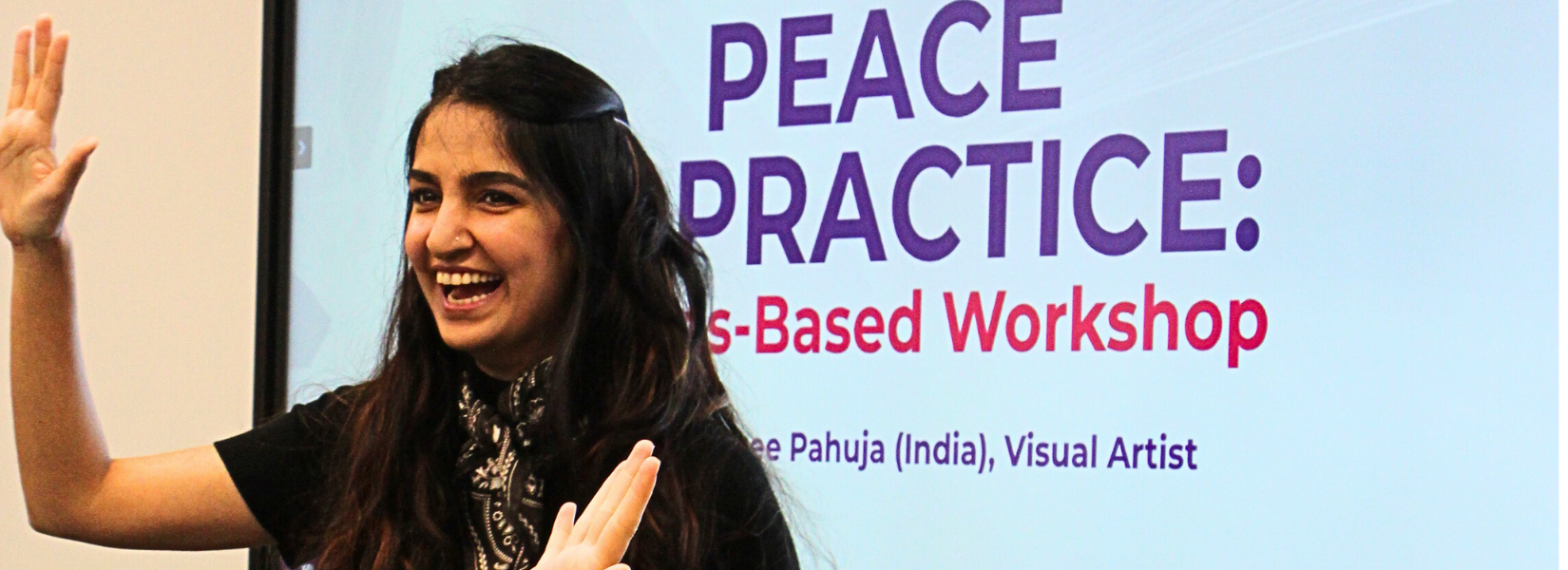
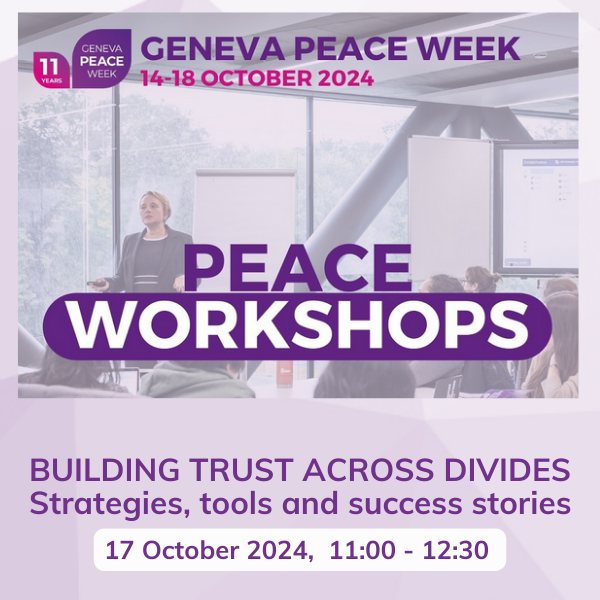
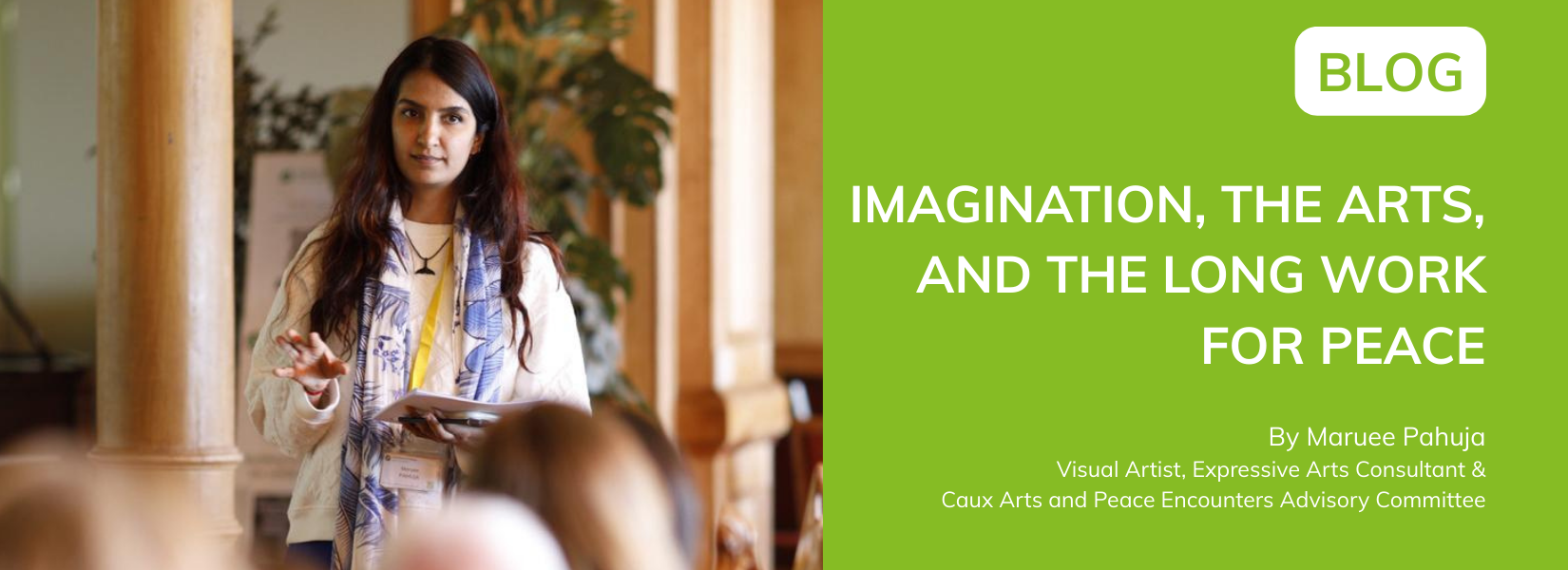
Maruee delivering the arts-based workshop "Peace in Practice" at Geneva Peace Week 2025
A Concrete Example: Creative Leadership and Youth
As part of the Creative Leadership youth team at Caux Initiatives of Change. I began introducing creativity and expressive arts to online conferences and gatherings for young people worldwide. Since then, we have hosted five online conferences — from exploring uncertainty to imagining new possibilities, reimagining democracies, and weaving counter narratives.
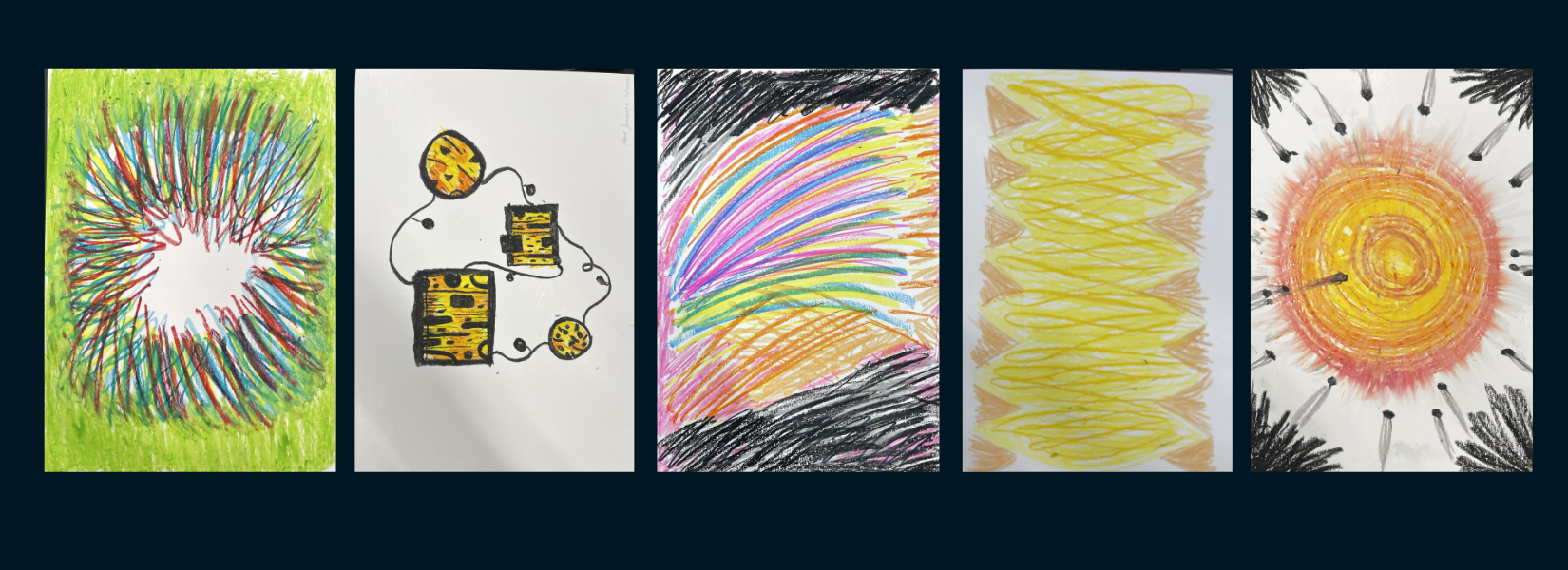
Through arts-based methods like creative writing, visual expression, movement, music, photography, nature-based arts, mindfulness, and creative dialogue participants learn to explore other ways of knowing - imaginative, intuitive, embodied.
This year, we are going to host “Reimagining Democracy(ies)”, the second edition of our in-house programme for young leaders at the Caux Palace, and we will continue to integrate these creative approaches and practices of learning and dialogue.
These are embodied ways of creating change that ripple outward. Participants create arts-based workshops in their communities, schools, and organizations using creative methods to foster dialogue, empathy, and healing. Many report the arts-based sessions as the most impactful workshops they haveattended, and some seek guidance on designing arts interventions for youth in their organisations.
Arts as Process, Not Product
It’s important to distinguish between arts as product or skill and arts as processes for community building, expression, and healing. Many people conflate art therapy, expressive arts therapy, art as therapy and other arts-based approaches, but each has a unique philosophy and methodology.
In my own practice, these dimensions also intersect in different ways:
As an ocularist, I restore vision and presence to individuals who have lost an eye due to trauma, war, or disease. This technical and artistic work restores dignity, hope, and social engagement.
As a visual artist, I create multisensory installations that expand perceptual empathy, exploring themes of visibility, identity, inclusion, and perception. The goal is not to produce a fixed product but to provoke reflection and relational understanding.
As an expressive arts facilitator, I guide participants through creative processes that foster relational transformation, dialogue, and community resilience. The aim is not to create a polished piece of art, but to hold a space where meaning can emerge and empathy and imagination can take root and grow.
Several insights have emerged from this work:
- From making sense to sense-making: expression and embodiment first, reflection after.
- Act → Pause → Reflect → Insight: a cyclical non-linear approach
- Low skill, high sensitivity: breaking performance-based barriers and tapping into inherent creative capacity.
Arts can also be disruptive, challenging dominant narratives, expanding perspectives, and questioning assumed “truths.” In a world that reduces people to roles or data points, the arts re-humanize, creating possibilities few dare to imagine.
As Maria Popova writes: "The very few — those who refuse to mistake the limits of the permissible for the horizon of the possible — will build a whole new table, populating the fresh slate of its surface with options others have not dared imagine. These are the visionaries, [the artists] — the only people who have ever changed this world."
The goal is not to create a polished piece of art, but to hold a space, surface meaning, and cultivate empathy and imagination.
Sustainability in Peacebuilding
Sustainability in peacebuilding forums is not simply about maintaining programmes. It is about nurturing regenerative capacities: imagination, curiosity, relational trust, and creative thinking.
Arts practices can help sustain hope even amid complexity and crisis.
Poetry and policy both have a place in peacebuilding.
Of course, challenges remain — limited resources, the risk of superficial engagement with the arts, and the difficulty of measuring subtle impacts such as relational trust or inner resilience. Yet these micro-practices embody the principles of emergent strategy: small, adaptive, relational actions that gradually shape worldviews of the future.
Ultimately, the question may not be whether peace can exist, but how we create the conditions for it to be imagined anew.
The question may not be whether peace can exist, but how we create the conditions for it to be imagined anew.
Final Reflections
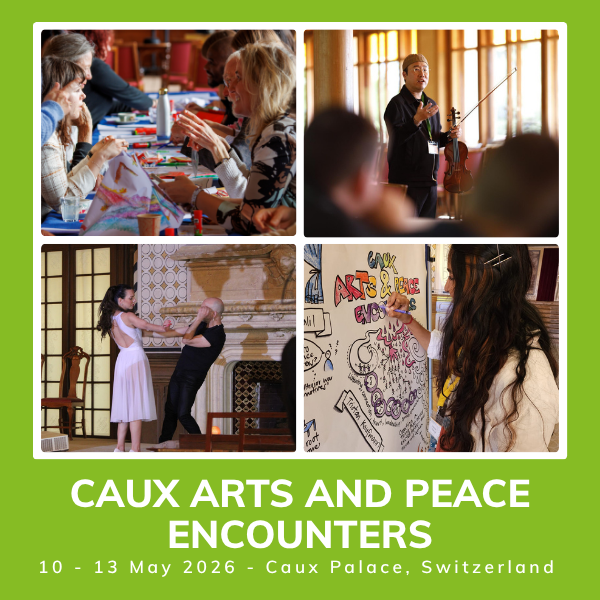
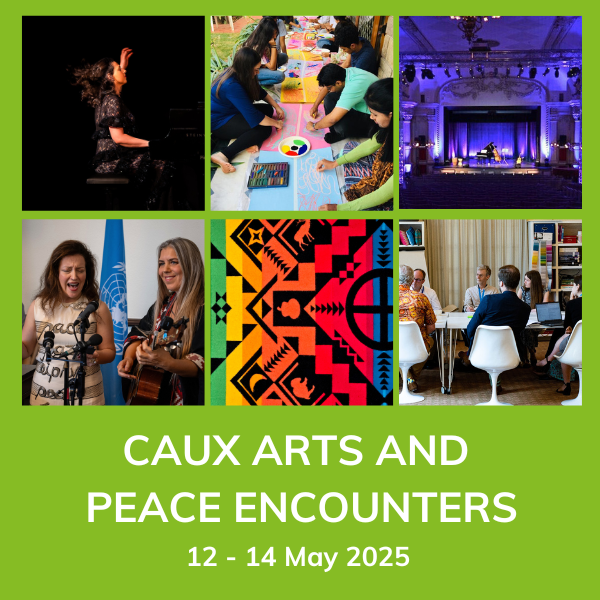
As we are preparing for the next edition of the Caux Arts and Peace Encounters (10 - 13 May 2026), I find myself holding more questions than answers — but also a deep sense of conviction.
- One thought and idea can change the course of history.
- Belief systems are living, not fixed, and can be rewritten.
- The arts are quiet, patient forces that remind us of our shared humanity.
- Mastery is not knowing everything; it is staying open to what we do not yet know.
The arts invite us to inhabit curiosity deeply, expand consciousness, and sustain hope — essential tools for building peace in today’s world.
____________________________________________________________________________________________
Caux Arts and Peace Encounters 2026: Next Steps
In a world where peace and cross-cultural understanding face increasing challenges, creating spaces for dialogue, empathy, and connection has never been more urgent. The arts are powerful tools to navigate complex emotions, foster healing, bridge divides, and build understanding.
Be part of this transformative gathering at Caux Arts and Peace Encounters 2026 (10 – 13 May 2026), where artists, peacebuilders, and changemakers explore how creativity can spark meaningful change in communities and in the world.
REGISTER NOW
related stories
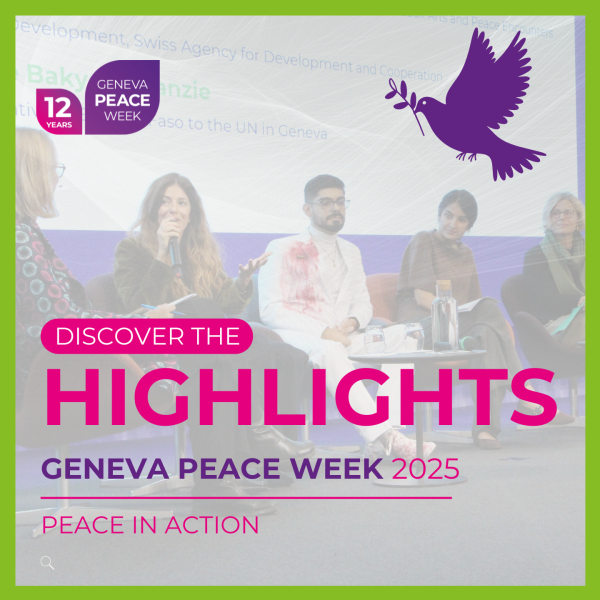
Arts and Imagination as Pathways to Peace – Highlights from Geneva Peace Week 2025
The 12the edition of Geneva Peace Week (13–17 October) brought together thousands of peacebuilders, diplomats, artists, and changemakers under the theme “Peace in Action.” This year, Caux Initiatives ...
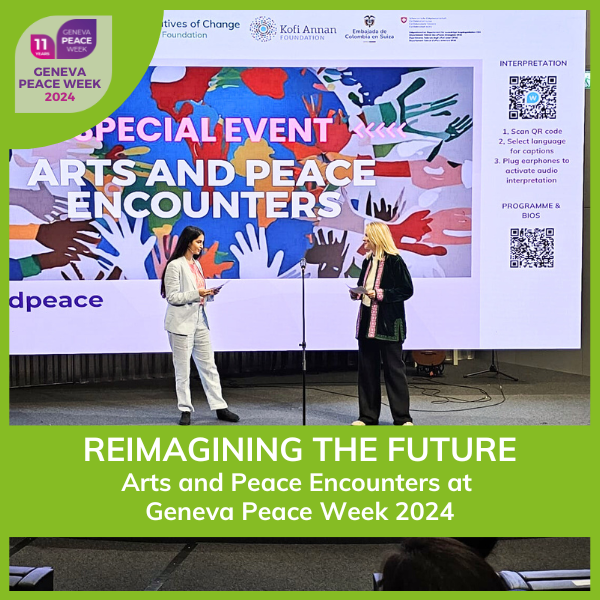
Reimagining the Future: Arts and Peace Encounters
The Arts and Peace Encounters at Geneva Peace Week 2024, held on 18 October 2024, took us on an immersive journey through different forms of artistic expression, including music, theater, poetry and v...
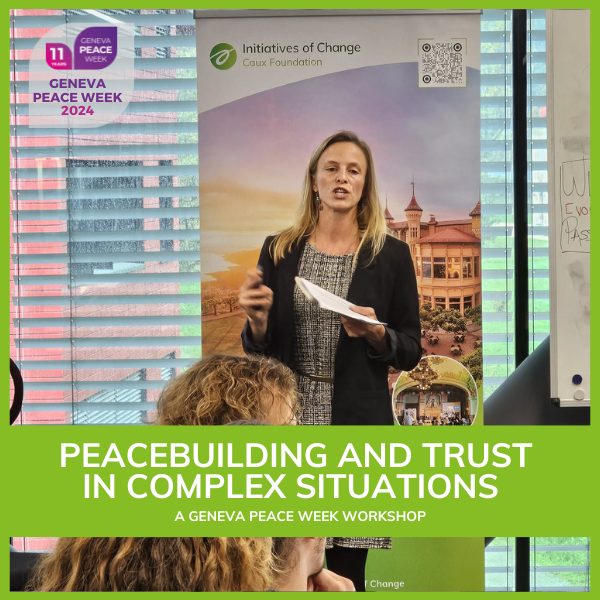
Peacebuilding and trust in complex situations
What strategies are effective in building confidence and trust between conflicting parties and what is the role of trust in healing and reconciliation to generate peace that is sustainable? The peace ...
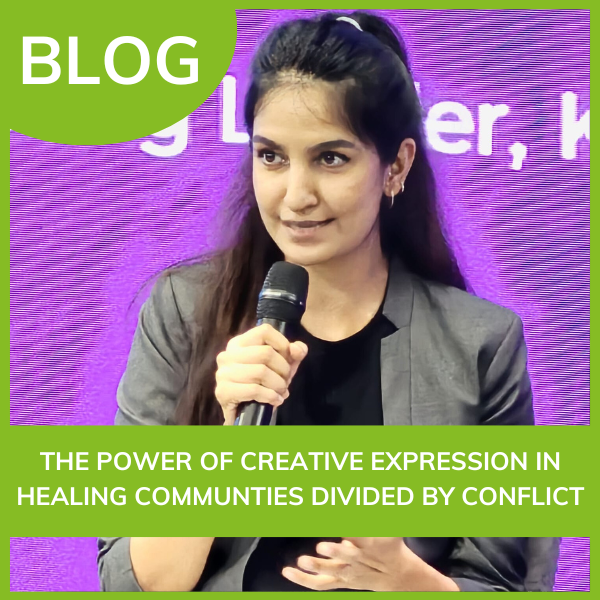
The Power of Creative Expression in Healing Communities Divided by Conflict
On 15 October 2024, Maruee Pahuja was a panelist at this year's Kofi Annan Peace Address where she discussed with Mary Robinson, first woman President of Ireland, former UN High Commissioner for Huma...
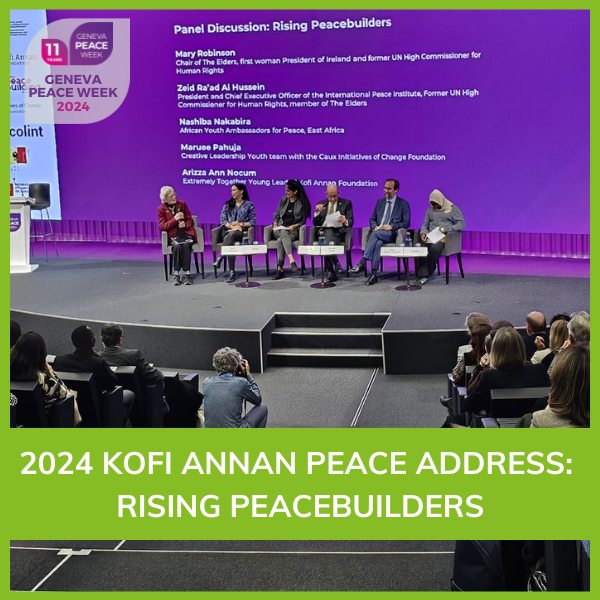
Rising Peacebuilders: Preparing people for peace
“As crises multiply, we are in dire need of courageous and ethical leadership!” said moderator Ahmad Fawai, in his opening words at the Peace Address, entitled “Rising Peacebuilders”. His words set th...

Have we forgotten the path to peace?
It has been an honour to have been part of the 10th anniversary edition of Geneva Peace Week. But once the curtains are drawn and the week is over - where do we go from here? Against the backdrop of c...
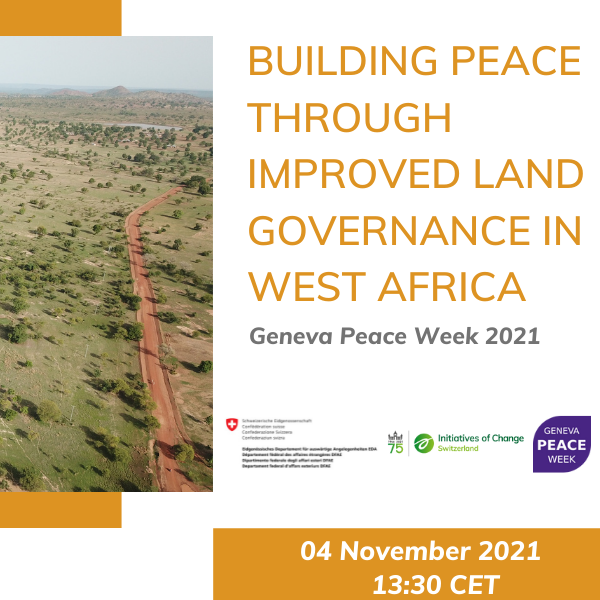
Building peace through improved land governance in West Africa
On 4 November 2021, Initiatives of Change Switzerland and the Swiss Federal Department of Foreign Affairs (Peace and Human Rights Division) organised a webinar in the framework of the Geneva Peace Wee...
Environmental peacebuilding must define our era
The theme of 2020’s Geneva Peace Week was ‘Rebuilding Trust after Disruption: pathways to reset international cooperation’. On 6 November, Initiatives of Change and the Geneva Centre for Security Poli...
The Courageous Listener: Bearing Our Own Discomfort
Listening is a powerful tool that can have powerful effects on its recipient. It is also a difficult one to master. On 5 November 2020, Initiatives of Change Switzerland led an online workshop on the ...
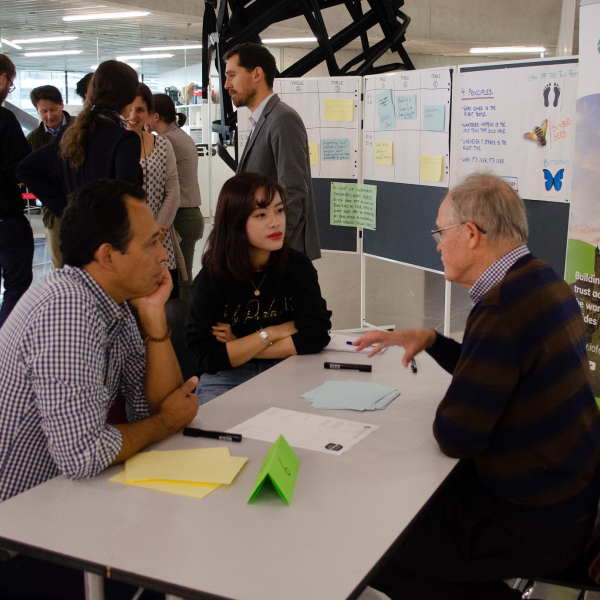
2019 Geneva Peace Week: Building trust in Geneva and in Europe
Geneva is full of organizations which are working for peace, human rights and wellbeing, but they rarely come together. Each year, Geneva Peace Week seeks to break down the silos between these actors ...
Geneva Peace Week: Human Library
Beyond Prevention: 5 Alternative Ways to Peace - Geneva Peace Week 2018 - When: 7 Nov, 2017 - 12.30 - 14.00 - Where: UNOG Library...
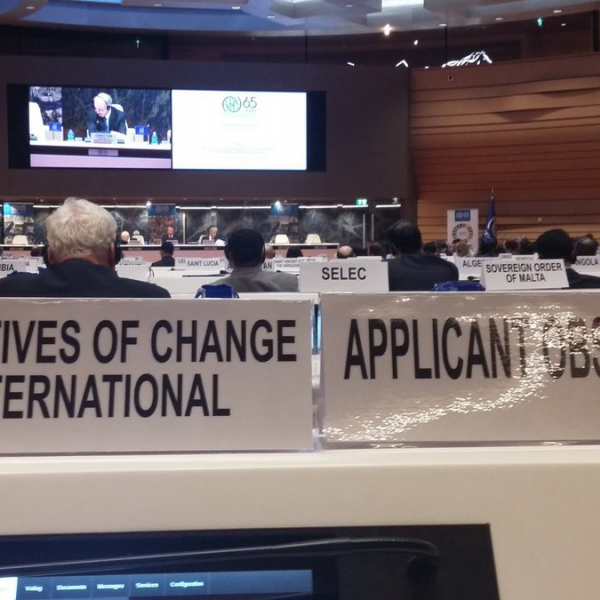
Geneva News: IofC International becomes Observer to IOM Council
On Monday 5 December 2016, together with 17 other NGOs, IofC International was granted Observer Status to the International Organization for Migration (IOM) Council. Rainer Gude, Chargé de Mission in ...
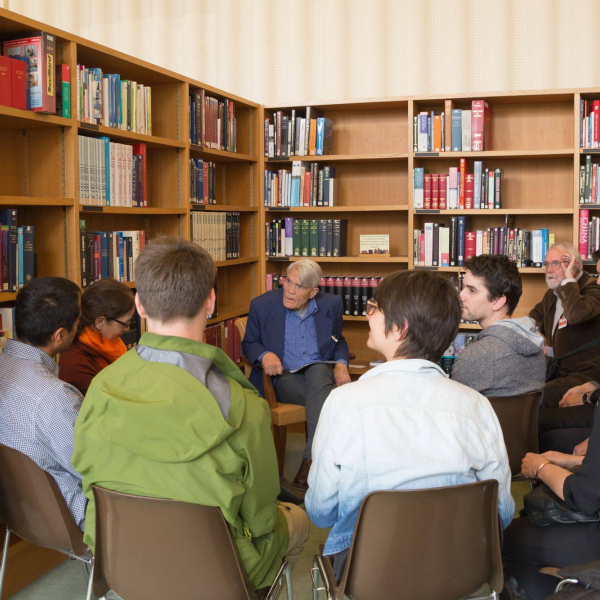
A Toolbox for Peace
Peacebuilding is often seen as a sophisticated process, aimed at restoring the ways society deals with conflicts and at strengthening institutional capacities; a complex series of actions that require...