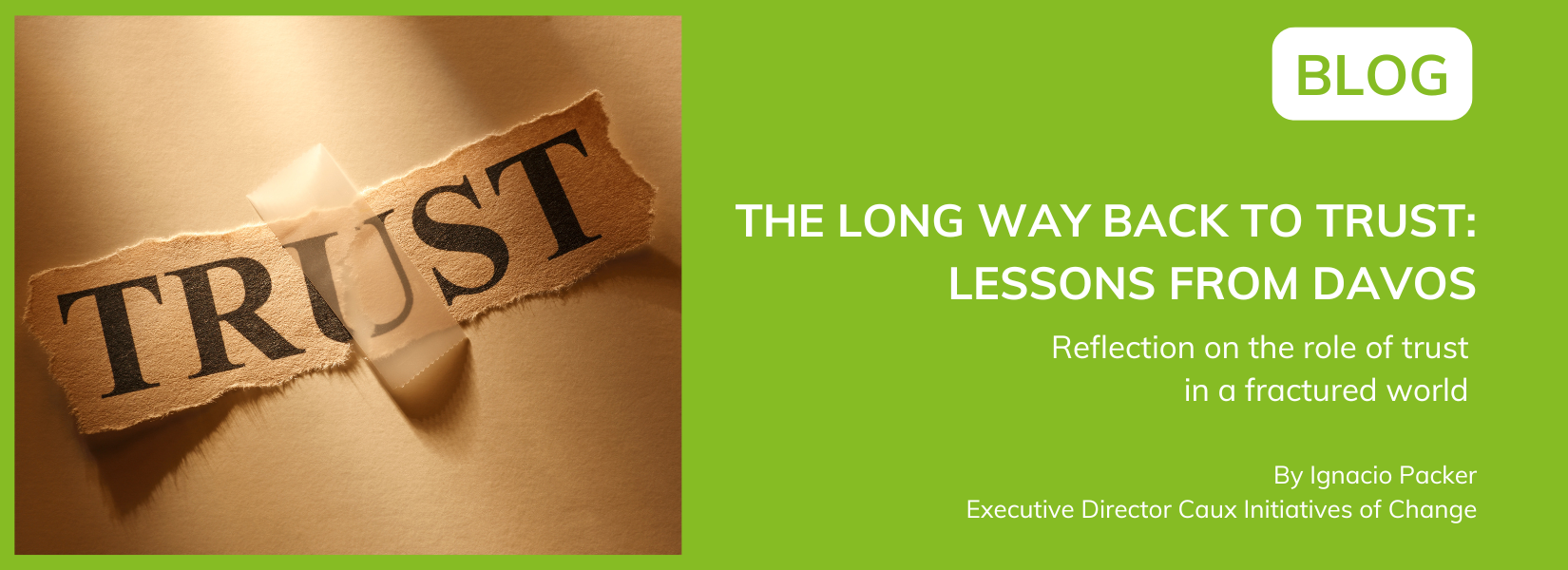
The Long Road Back to Trust: Lessons from Davos
A blog by Ignacio Packer, Executive Director Caux Initiatives of Change
23/01/2026
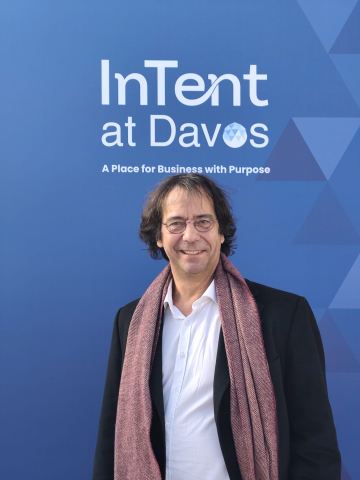
After participating in the World Economic Forum Annual Meeting in Davos on 22 January 2026, Ignacio Packer, Executive Director of the Caux Initiatives of Change Foundation, reflects on the question that stayed with him most: "Can trust still hold in today’s fragmented world?" In this blog, he explores what the erosion of trust means for democracy, cooperation, and leadership — and where renewal might begin.
I’m writing this on the train, on my way back from the World Economic Forum in Davos, with one word echoing in my mind: trust.
I went to Davos this year for three reasons. First, I draw energy from the sheer density of conversations — the collisions of ideas, experiences, and disciplines that are hard to replicate elsewhere. A particular highlight was a lunch discussion on trust organised by the Geneva Graduate Institute, which brought a rare depth and honesty to a concept too often used loosely.
Second, Davos places me face to face with people living very different lives, shaped by different assumptions and priorities. It stretches my capacity to listen carefully and to understand perspectives I do not naturally share.
Third, I wanted to be present in key conversations on food systems, especially as I have just joined the Global Advisory Committee for the Global Conscious Food Systems Summit taking place later this year in Bhutan, led by UNDP-COFSA. At a time of accelerating ecological and social strain, food systems are where trust, power, and human security intersect most visibly.
Across these conversations, one theme was everywhere — and nowhere taken for granted: trust.
Leaders spoke in markedly different registers. Some used blunt force - even disrespectful - rhetoric, others chose calibrated restraint in describing a world shaped by fragmentation, geopolitical tension, technological disruption, and democratic strain. What struck me most was not only what was said about trust, but how leaders are behaving in its absence.
Increasingly, trust is no longer assumed. It is managed.
Powerful actors rely on leverage, pressure, and transactional frameworks to keep cooperation going. Alliances are maintained through safeguards and redundancy rather than confidence. Europe speaks of unity while quietly pursuing greater autonomy. Business is asked to act as a stabiliser, even as public confidence in institutions continues to erode.
These arrangements may keep systems functioning in the short term, but they do not renew legitimacy.
Systems held together primarily by pressure, rules, and transactional deals do not rebuild trust. Without legitimacy, peace becomes fragile and democracy becomes procedural. People may comply, but they no longer believe. Over time, that erosion fuels polarisation, weakens institutions, and increases the risk of conflict.
This is why the question of trust cannot be treated as a communications problem or a governance tweak. It is fundamentally a human one.
Systems held together primarily by pressure, rules, and transactional deals do not rebuild trust.
A Call to Action — and a Call for Inner Development
This is a call to all who exercise influence — including the current U.S. administration and other global power centres — to lead with integrity, tell the truth, repair what has been harmed, and choose dialogue over domination. In a world under strain, the most strategic asset is not leverage. It is trust.
Rebuilding trust requires more than institutional reform. It requires inner development — the capacity for self-reflection, responsibility, and moral courage. Without this inner work, external systems inevitably default to control, coercion, and performance.
This is where the work of the Caux Initiatives of Change Foundation is especially relevant today.
Trust as a Human and Relational Process
For decades, our work in Caux has approached trust not as a slogan or reputational asset, but as a human and relational process. It has offered neutral ground where political, economic, and cultural divides can be faced honestly, and where cooperation begins with personal responsibility and integrity (read more).
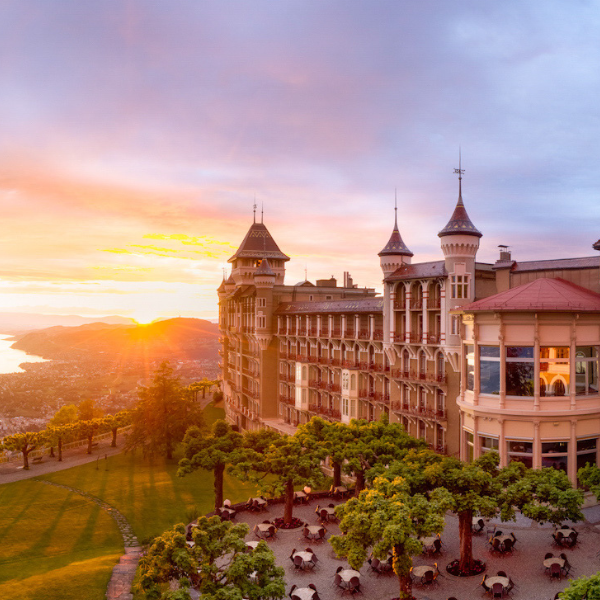
In a world moving toward what some describe as “managed interdependence,” such spaces matter more, not less. Places like the Caux Palace, our centre for dialogue and peacebuilding, allow people to step out of posturing and pressure, meet across divides, and rebuild the relationships that make genuine cooperation possible.
Democracy, after all, does not fail only when institutions weaken.
It fails when trust between citizens, leaders, and systems is allowed to disappear.
In a world under strain, the most strategic asset is not leverage. It is trust.

Convening in Caux to rebuild trust
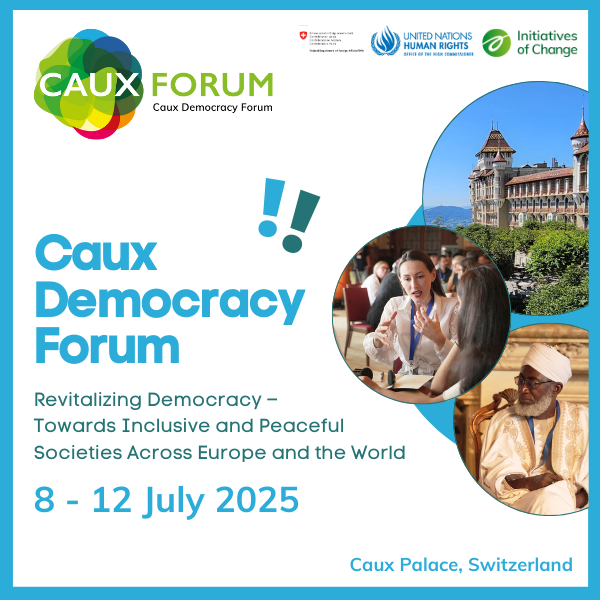
This is why the Caux Foundation will convene its annual Caux Democracy Forum from 22–26 June 2026, opening with a dedicated ceremony at the Maison de la Paix in Geneva. The forum creates space to revitalise democracy, renew hope, foster healing, and strengthen human security across sectors and generations.
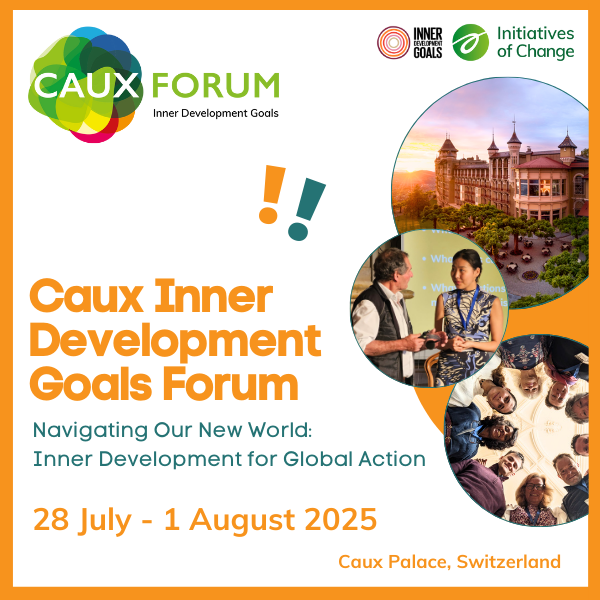
Because trust is deeply human, Caux will also host the Caux Inner Development Goals Forum from 13–17 July 2026, under the theme “The Alchemy of Forgiveness.” By placing forgiveness and inner development at the heart of leadership and systems change, this forum strengthens the personal foundations of peace, resilience, and democratic culture. It supports the difficult but necessary movement from compliance to conscience, from polarisation to repair, and from performative cooperation to lasting legitimacy.
So the question I leave Davos with is not only: can trust still hold?
It is: what are we prepared to do to rebuild it?
Trust will not return through declarations or forums alone. It will return if leaders, institutions, businesses, and citizens choose to invest time, courage, and humility in rebuilding relationships, listening across divides, and aligning power with responsibility.
Choosing the hard work of togetherness
This is an invitation to step out of managed coexistence and into intentional togetherness. Caux offers a place to do precisely that — not as spectators, but as participants. Not to manage decline, but to renew legitimacy.
The work of rebuilding trust cannot be postponed, and it cannot be done alone. It begins wherever we decide to show up, engage honestly, and take responsibility for the future we are shaping together.
You are welcome to Caux.
Trust will not return through declarations or forums alone. It will return if we choose to invest time, courage, and humility in rebuilding relationships, listening across divides, and aligning power with responsibility.
_________________________________________________________________________________________
Discover all our Caux Forum 2026 events and join the conversation!
related stories
Taking a brick to Kyiv
Sveinung Nygaard is a composer, musician and artistic facilitator who helped shape the creative vision of the Caux Democracy Forum 2026 as part of its arts team. Working to integrate the arts as an in...
Lewis Cardinal: The Mountain That Listened
Sometimes the moments that shape our lives arrive unexpectedly. For Lewis Cardinal, one such moment began with a midnight drive up a mountain and grew into a lifelong journey of listening, belonging, ...
Caux IDG Forum 2026: Call for Contributors for Workshops and Candlelight Conversations
Would you like to share your inspiration, ideas, and skills with other participants at the Caux IDG Forum this summer on the theme “The Alchemy of Forgiveness”? We look forward to receiving your appli...
Caux Democracy Forum 2025: The full report is now available
Discover the full report of the Caux Democracy Forum 2025 which brought together more than 350 participants from over 45 countries at the Caux Palace to reflect and act on the theme “Revitalizing Demo...
Caux Inner Development Goals Forum 2025: Call for Workshops
Call for workshops! You would like to give share your inspiration, ideas and skills with other participants at the Caux IDG Forum this summer? We look forward to your application! Applications will be...
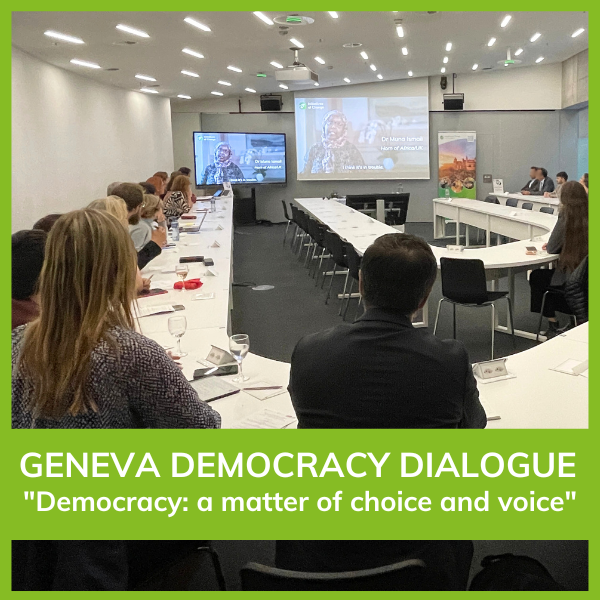
Democracy: a matter of choice and voice
"In a democracy, each of us carries the responsibility to engage, listen and to contribute. It is more than a political system. It is about choice and voice. How does this resonate with you?" With the...
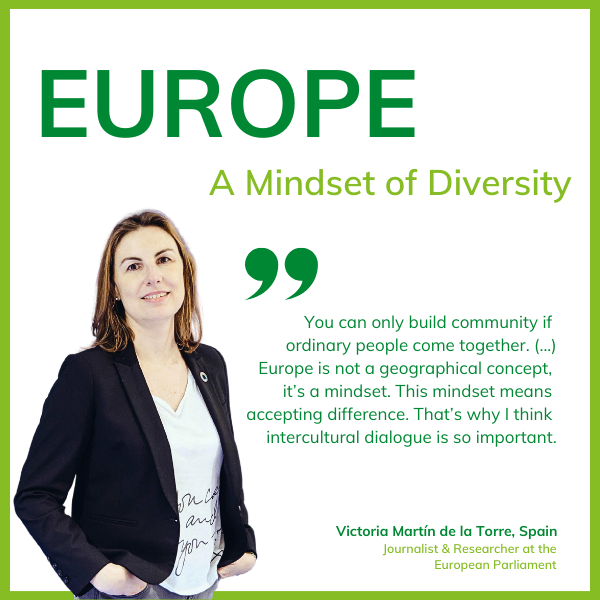
Europe: A Mindset of Diversity
Spanish journalist Victoria Martín de la Torre is passionate about Europe, diversity and interfaith relations. Here she reflects on different aspects of Europe, based on her PhD research which led her...
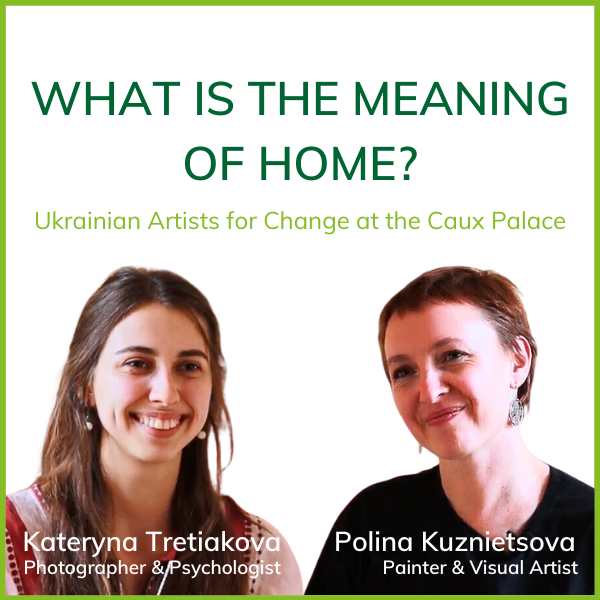
What is the meaning of home?
Amid escalating conflicts worldwide, the arts emerge as a potent force to challenge misconceptions and foster positive perspectives. The pivotal role of artists in creatively raising awareness has nev...

Walking the Talk in Business
On 25 - 28 January, some 60 CEOs and other senior staff came together under Chatham House Rules to share personal experiences on how to balance a sustainable business with integrity and trust. Executi...
Caux Forum 2024: Save the Date!
Save the date for the Caux Forum 2024! This summer Caux Initiatives of Change, in partnership with Initiatives of Change International and supported by other civil society networks, UN agencies, phila...
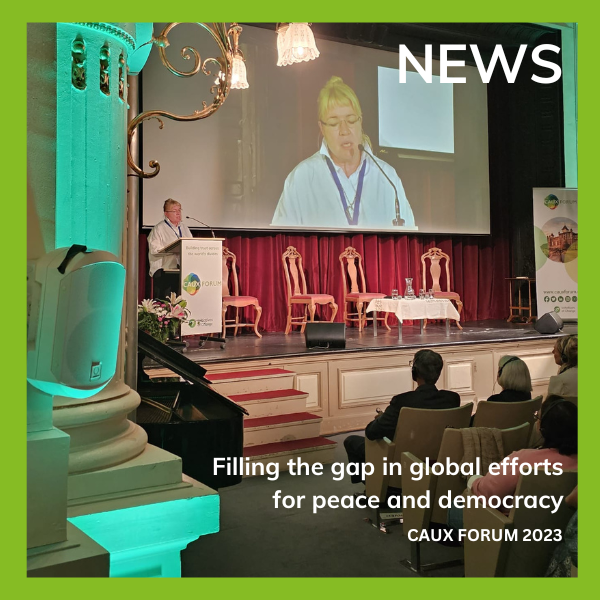
Filling the gap in global efforts for peace and democracy
The Caux Forum 2023 Opening Ceremony set the tone for the conference with the theme, ‘Strengthening Democracy: The Journey from Trauma to Trust.’. Discover the report and relive the highlights of this...
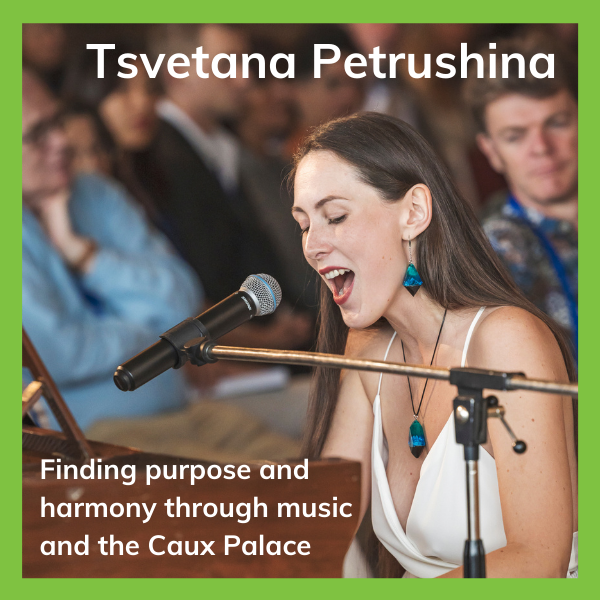
Finding purpose and harmony through music and the Caux Palace
In a world filled with diverse cultures and languages, the journey of musician Tsvetana Petrushina is an inspiring tale of how she discovered her purpose. Her remarkable story led her to the Caux Pala...
Caux Forum 2023: Save the Date
We are excited to announce the Caux Forum will be back in Caux next summer! Find out more and save the date! ...
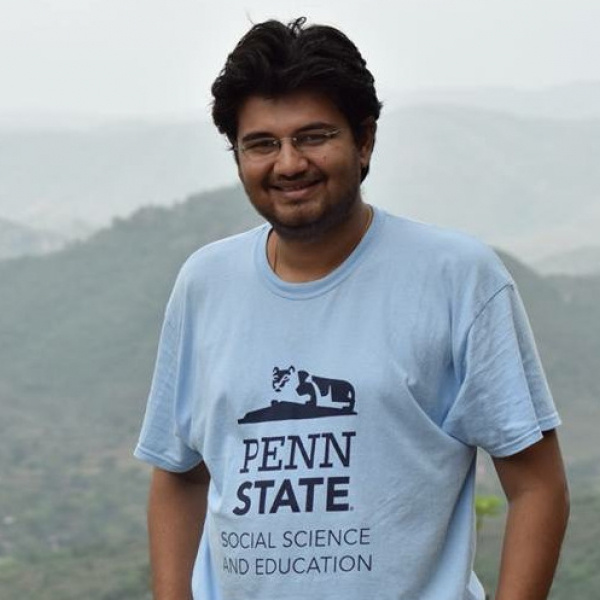
Arpan Yagnik: Mountains to climb
Arpan Yagnik, a participant of last year's Creative Leadership conference and team member of the IofC Hub 2021, talks to Mary Lean about creativity, fear and vocation. ...