
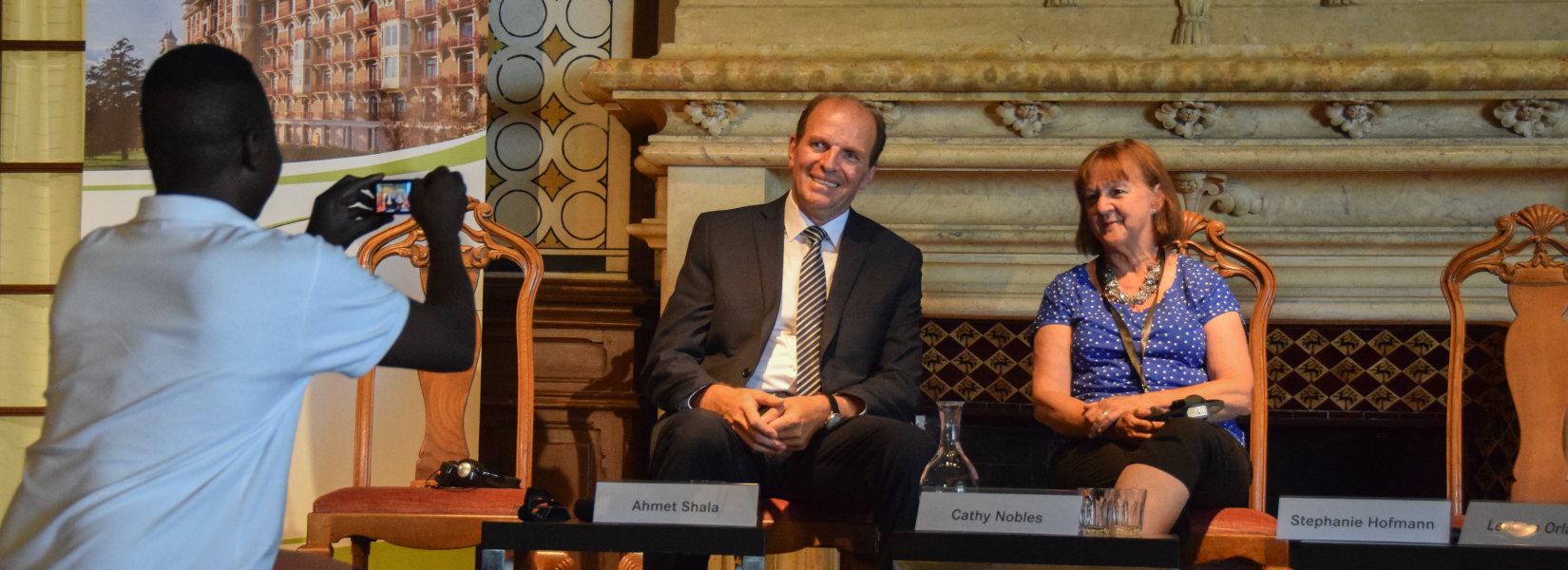
AEUB 2015: Hopes, concerns, and proposals for Europe
18/07/2015Day 2
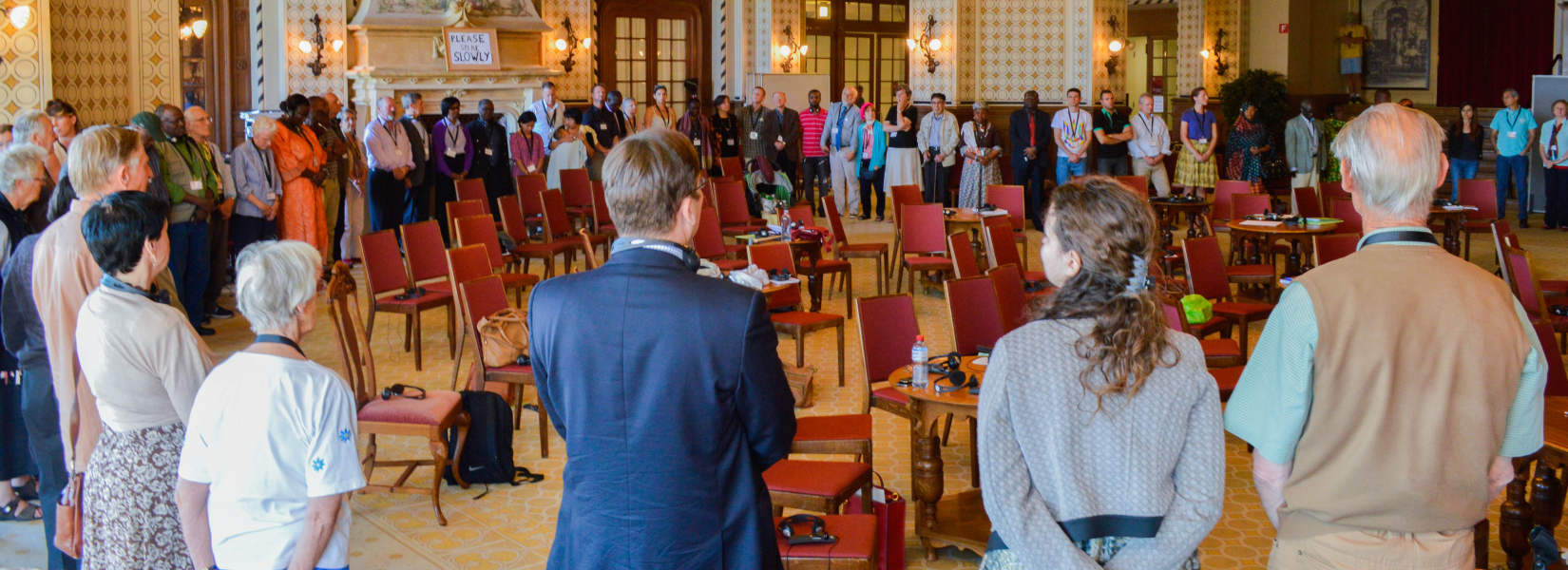
Friday 17 July was an opportunity to report back on the first working group discussions and continue our conversations throughout the day.
Our young ambassador from Italy read comments from Leoluca Orlando, Mayor of Palermo. Mr Orlando called for recognition of the right to international human mobility. In his Charter of International Human Mobility, Mr Orlando demands that ‘mobility must be recognized as an inalienable human right’. He argues that nobody makes the choice where they are born, but they have the choice to decide where they want to live and die. He underlines that EU has made great strives for this right. It must, however, expand beyond the Schengen Area. The full Charter can be downloaded as a PDF here.
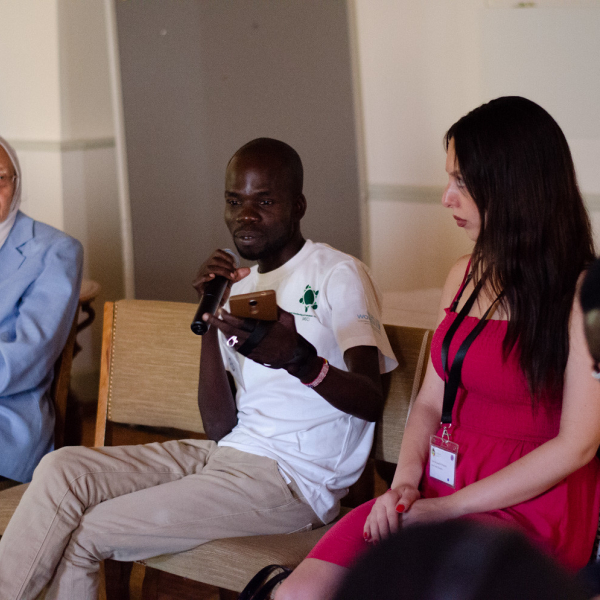
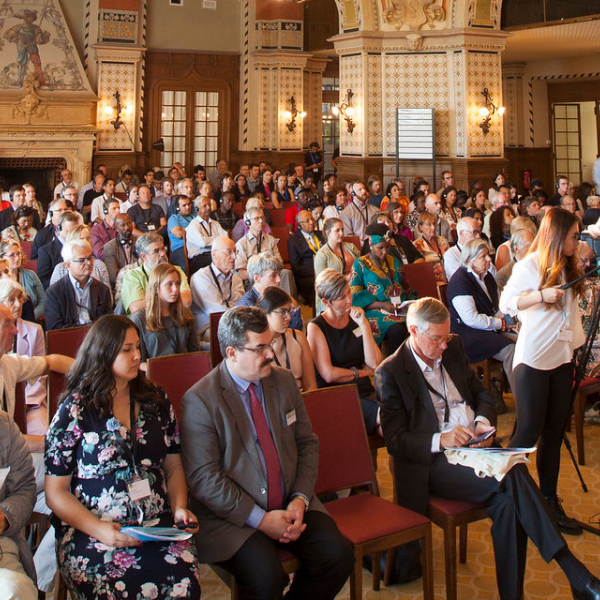
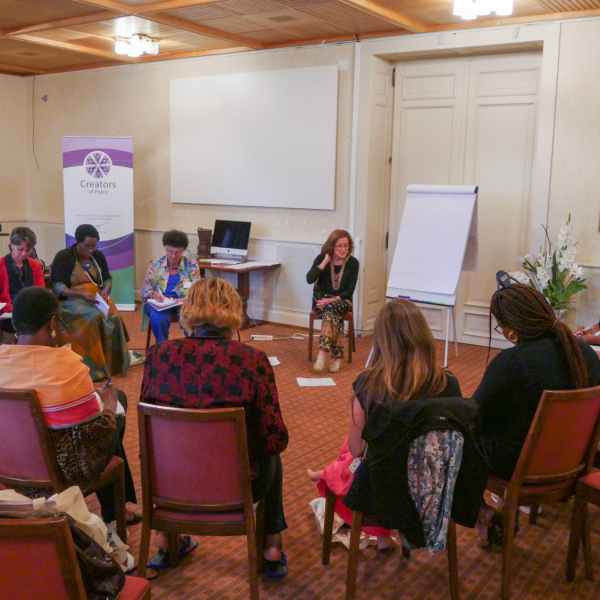
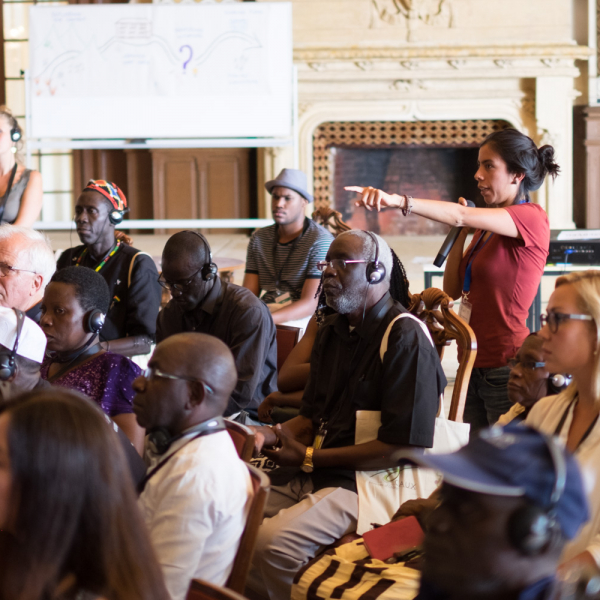
Each working group reported on key hopes, concerns and proposals that had emerged from their discussions the previous day. A key idea was that “ordinary citizens” should be involved in shaping Europe. Several people also mentioned the role the media play in sustaining negative feelings between and within nations. This could be counteracted with positive media campaigns.
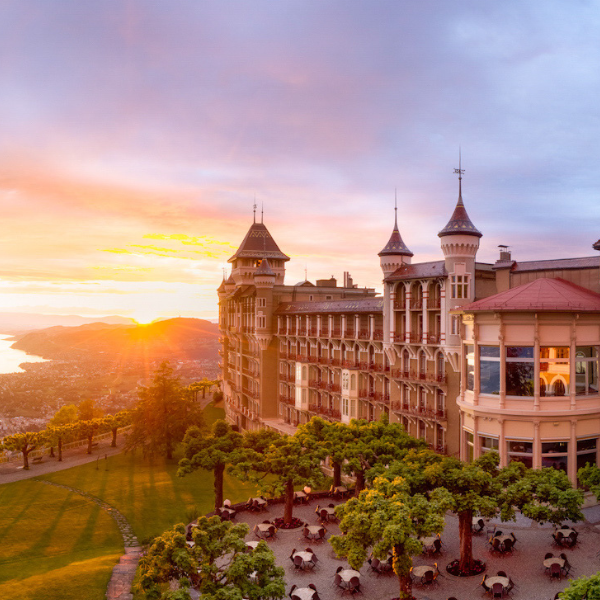
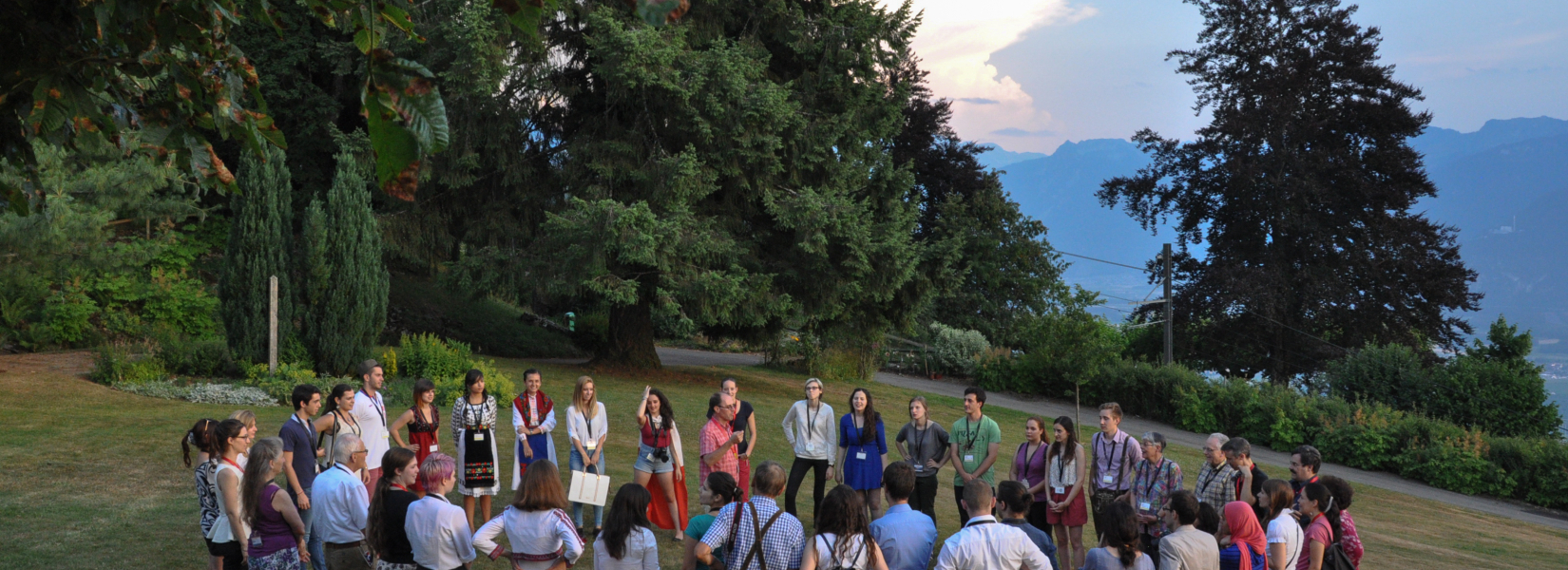
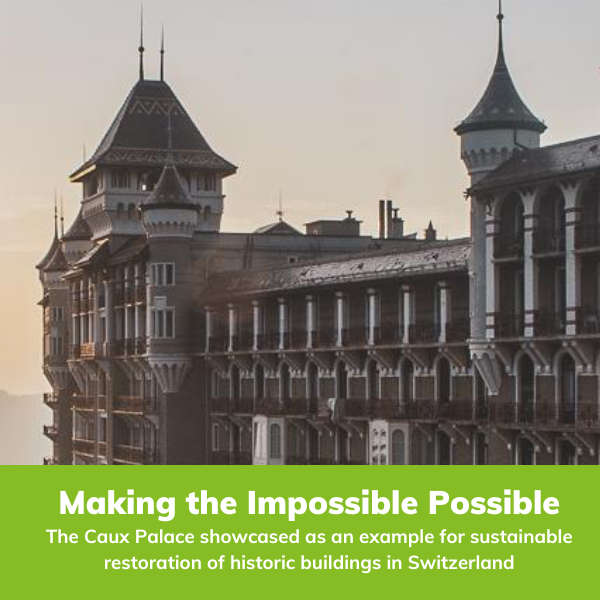
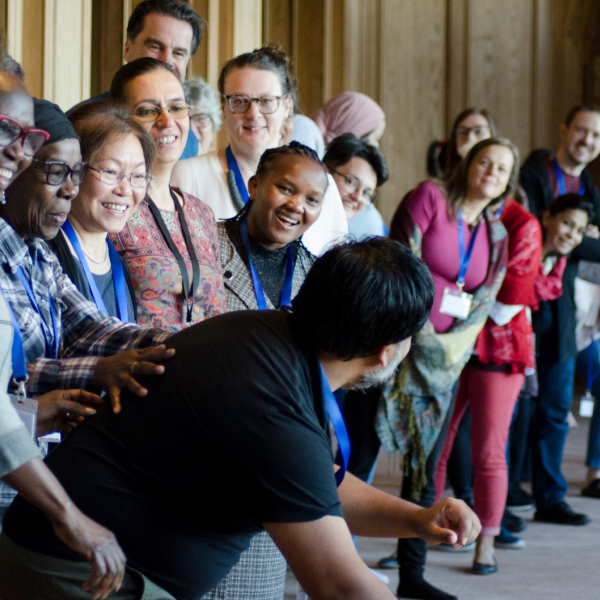
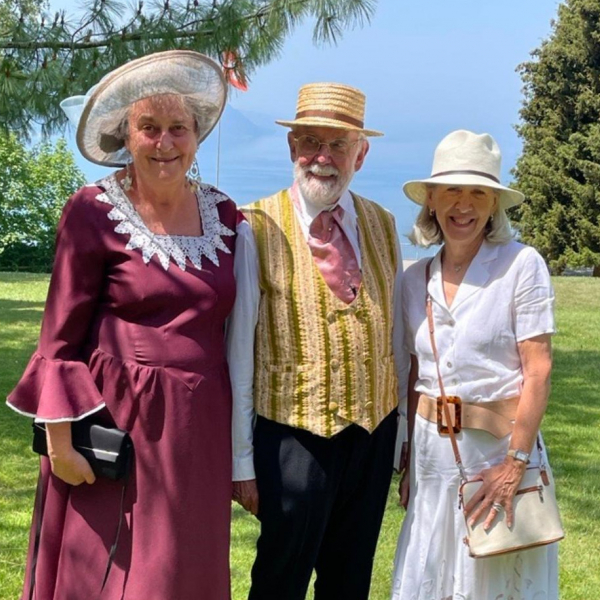
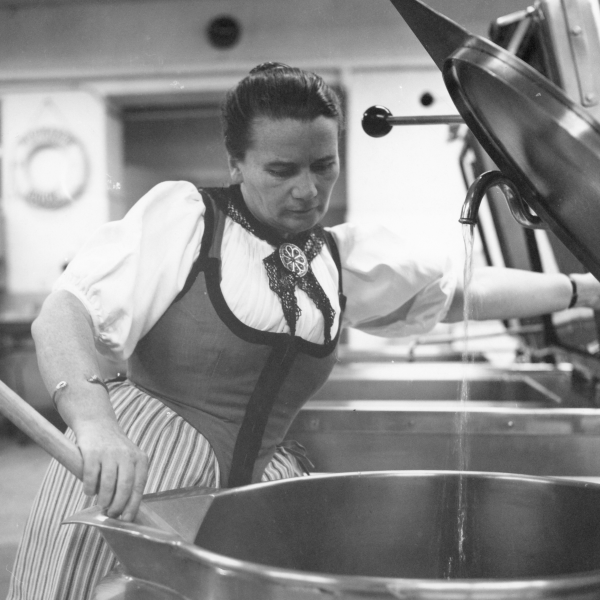
In the afternoon, some participants enjoyed a treasure hunt, exploring the history of Caux Palace and Caux’s connection with European history. Others attended a lecture on the 60th anniversary of the Bonn-Copenhagen Declarations, which ended a long conflict between Denmark and Germany. Some of those who worked on the declarations were inspired by Caux. The end of the day was marked with a “Sharing our Cultures” event. Here, participants were invited to share something from their culture, be it food, music, poetry or national dress. It was a great evening of sharing and laughing, and exploring cultures.
related stories
Taking a brick to Kyiv
Sveinung Nygaard is a composer, musician and artistic facilitator who helped shape the creative vision of the Caux Democracy Forum 2026 as part of its arts team. Working to integrate the arts as an in...
Lewis Cardinal: The Mountain That Listened
Sometimes the moments that shape our lives arrive unexpectedly. For Lewis Cardinal, one such moment began with a midnight drive up a mountain and grew into a lifelong journey of listening, belonging, ...
Caux IDG Forum 2026: Call for Contributors for Workshops and Candlelight Conversations
Would you like to share your inspiration, ideas, and skills with other participants at the Caux IDG Forum this summer on the theme “The Alchemy of Forgiveness”? We look forward to receiving your appli...
The Long Road Back to Trust: Lessons from Davos
After participating in the World Economic Forum Annual Meeting in Davos on 22 January 2026, Ignacio Packer, Executive Director of the Caux Initiatives of Change Foundation, reflects on the question th...
Caux Democracy Forum 2025: The full report is now available
Discover the full report of the Caux Democracy Forum 2025 which brought together more than 350 participants from over 45 countries at the Caux Palace to reflect and act on the theme “Revitalizing Demo...
Caux Inner Development Goals Forum 2025: Call for Workshops
Call for workshops! You would like to give share your inspiration, ideas and skills with other participants at the Caux IDG Forum this summer? We look forward to your application! Applications will be...
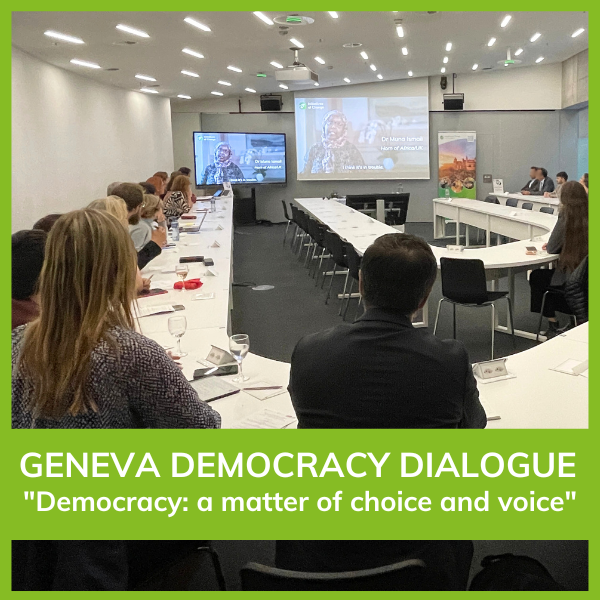
Democracy: a matter of choice and voice
"In a democracy, each of us carries the responsibility to engage, listen and to contribute. It is more than a political system. It is about choice and voice. How does this resonate with you?" With the...
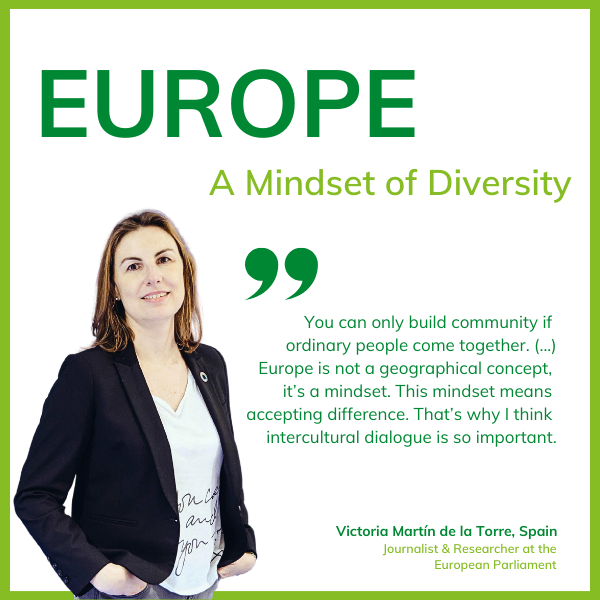
Europe: A Mindset of Diversity
Spanish journalist Victoria Martín de la Torre is passionate about Europe, diversity and interfaith relations. Here she reflects on different aspects of Europe, based on her PhD research which led her...
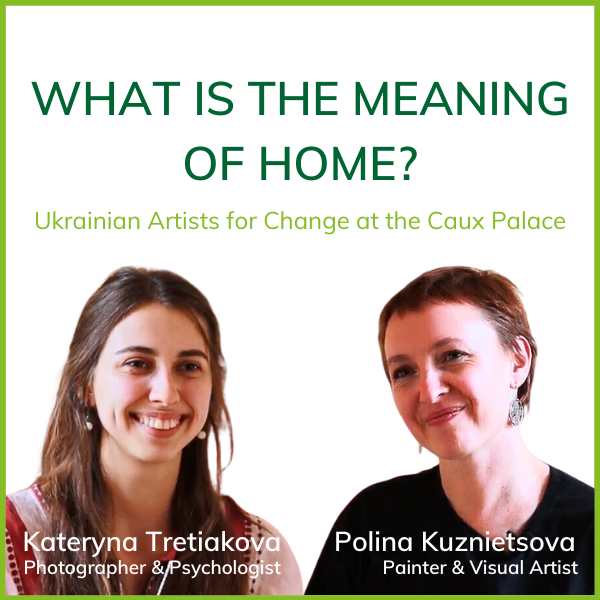
What is the meaning of home?
Amid escalating conflicts worldwide, the arts emerge as a potent force to challenge misconceptions and foster positive perspectives. The pivotal role of artists in creatively raising awareness has nev...

Walking the Talk in Business
On 25 - 28 January, some 60 CEOs and other senior staff came together under Chatham House Rules to share personal experiences on how to balance a sustainable business with integrity and trust. Executi...

Caux Forum 2024: Save the Date!
Save the date for the Caux Forum 2024! This summer Caux Initiatives of Change, in partnership with Initiatives of Change International and supported by other civil society networks, UN agencies, phila...
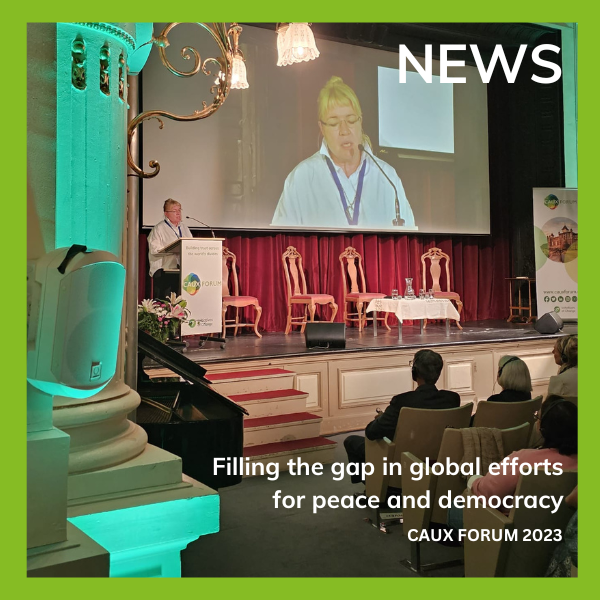
Filling the gap in global efforts for peace and democracy
The Caux Forum 2023 Opening Ceremony set the tone for the conference with the theme, ‘Strengthening Democracy: The Journey from Trauma to Trust.’. Discover the report and relive the highlights of this...
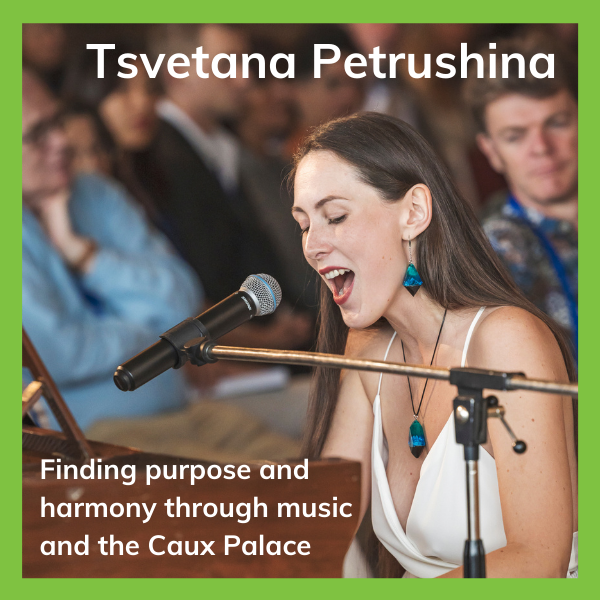
Finding purpose and harmony through music and the Caux Palace
In a world filled with diverse cultures and languages, the journey of musician Tsvetana Petrushina is an inspiring tale of how she discovered her purpose. Her remarkable story led her to the Caux Pala...
Caux Forum 2023: Save the Date
We are excited to announce the Caux Forum will be back in Caux next summer! Find out more and save the date! ...
Arpan Yagnik: Mountains to climb
Arpan Yagnik, a participant of last year's Creative Leadership conference and team member of the IofC Hub 2021, talks to Mary Lean about creativity, fear and vocation. ...
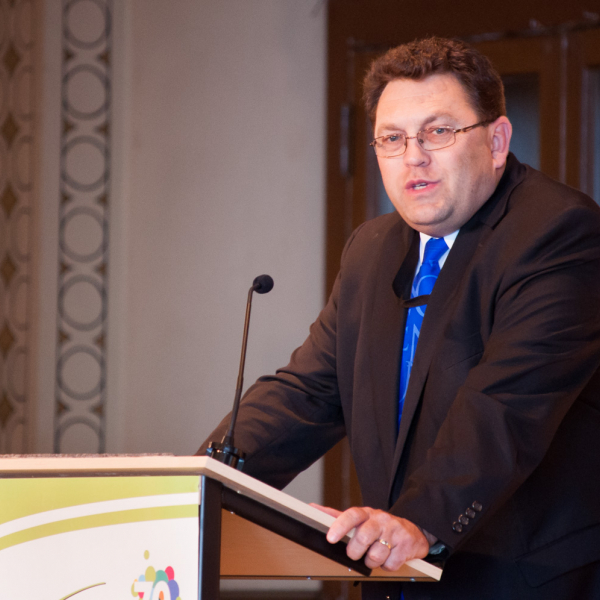
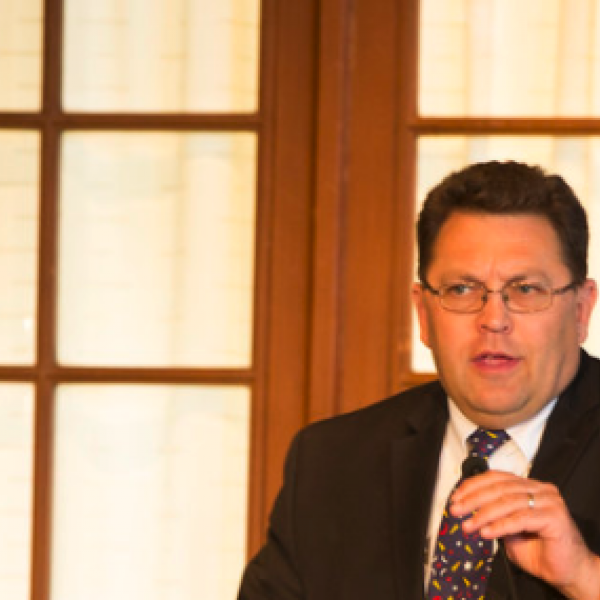
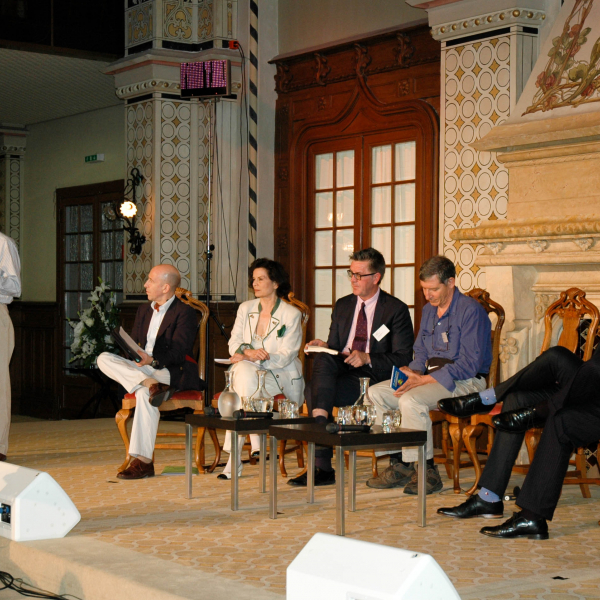
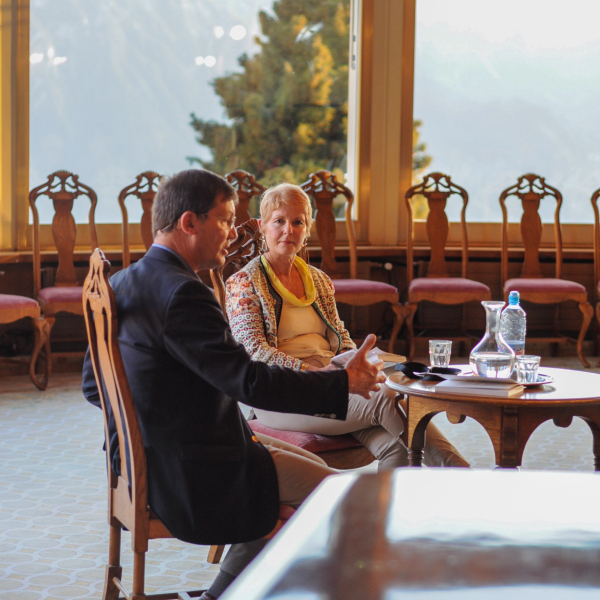
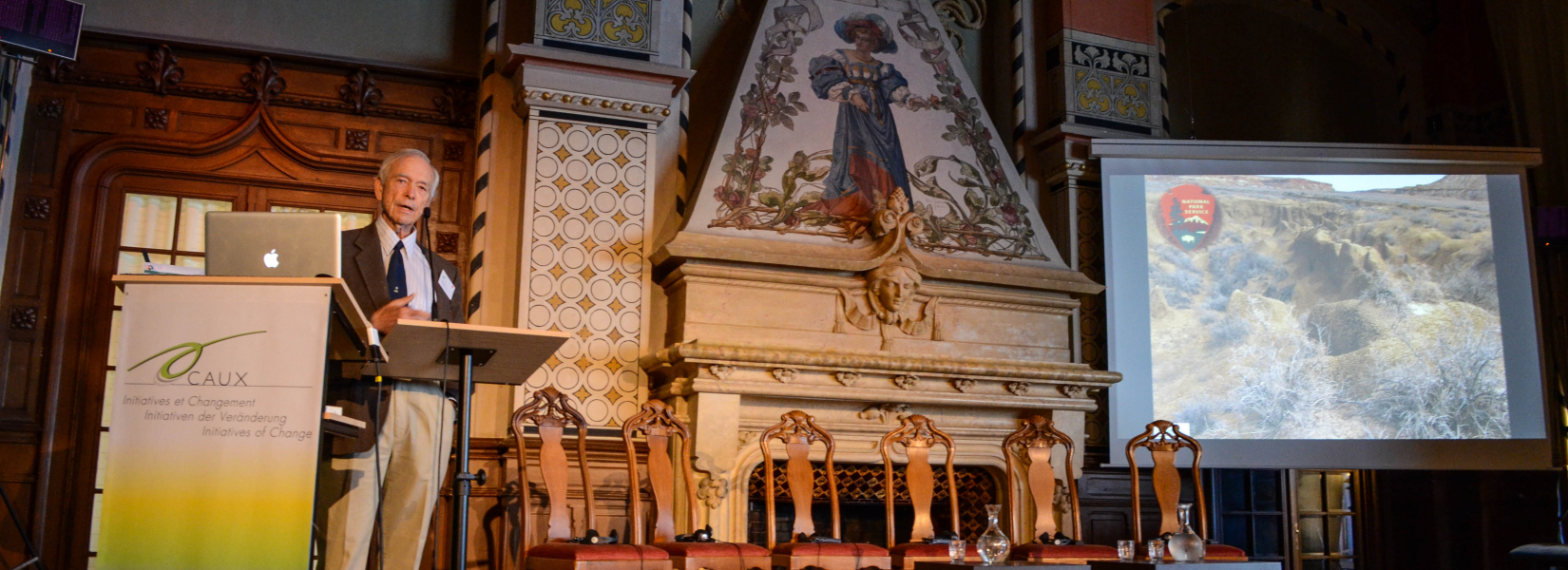
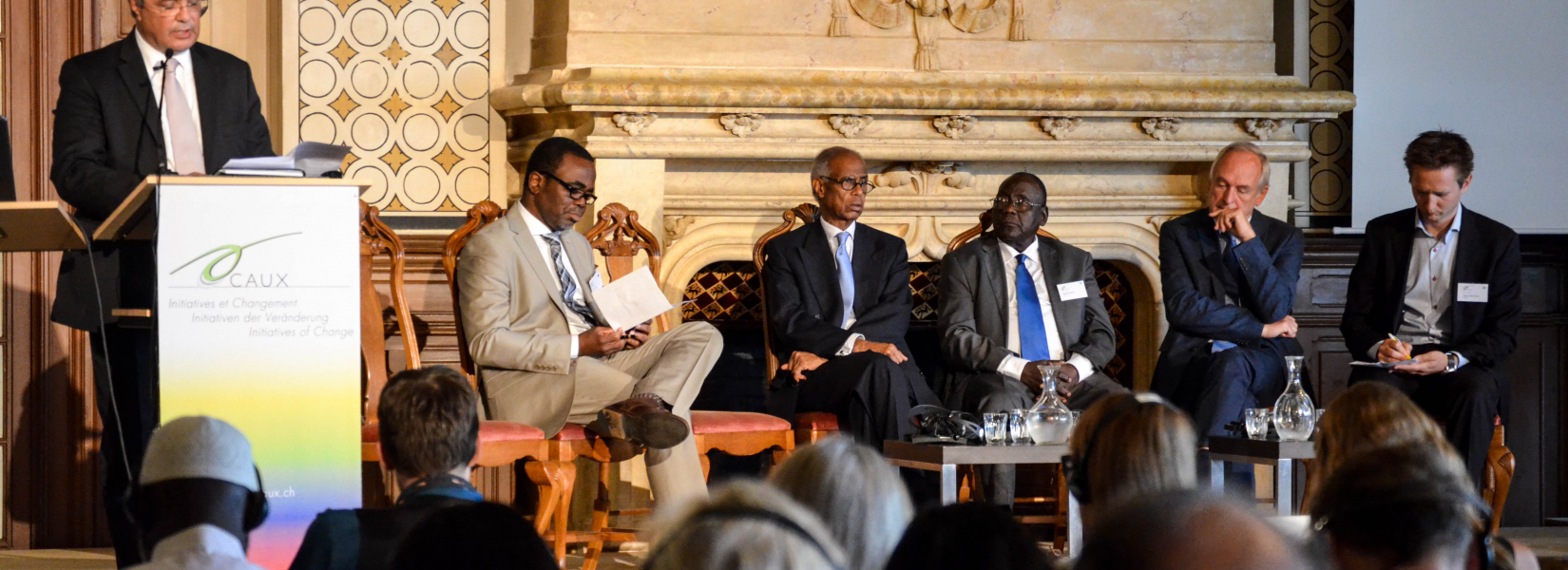
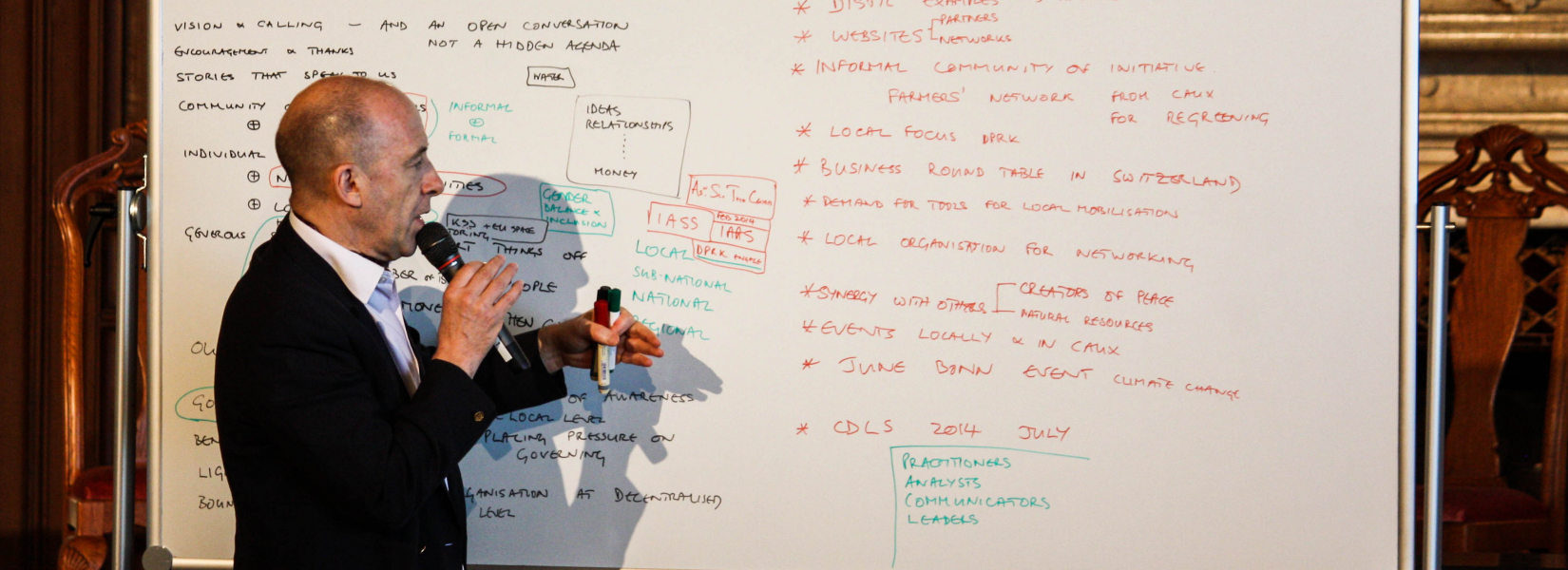
 During the evening programme, environmental leaders and young participants engaged in a unique ‘fireside conversation’ dialogue. Luc Gnacadja, former UNCCD Executive Secretary, Julia Marton-Lefèvre, former IUCN Director-General and Geoffrey Lean, environment journalist from The Daily Telegraph formed a ‘sensational trio’ that responded to and challenged the audience. In the face of climate change and conflict, the questions of leadership, attitude and decision-making were primary concerns of the ‘fireside conversations’. Julia Marton-Lefèvre insisted that leaders must focus on ‘walking the talk’ to maintain close contact with the people. Luc Gnacadja emphasised that mainstreaming environmental issues was the only way to move forward on tackling global challenges. Geoffrey Lean closed the dialogue with optimism, as he believes that 2015 will be the year the environmental battle will be won, as both the Sustainable Development Goals and climate negotiations are being decided and coming to global attention.
 Armenians and Turks came to search for how to overcome the hostility resulting from their brutal history. The dialogue was intense, and they plan the next meeting in Turkey. The screening of a film on the war in Eastern Ukraine inspired a moving apology to the Ukrainian participants from eminent Russian historian Andrei Zubov. Professor Zubov was dismissed from Moscow’s Institute of International Relations when he wrote an article condemning Russia’s occupation of Crimea.