International Peace Day: Be the change you want to see in the world
01/10/2015INTERNATIONAL PEACE DAY 2015
Be the change you want to see in the world
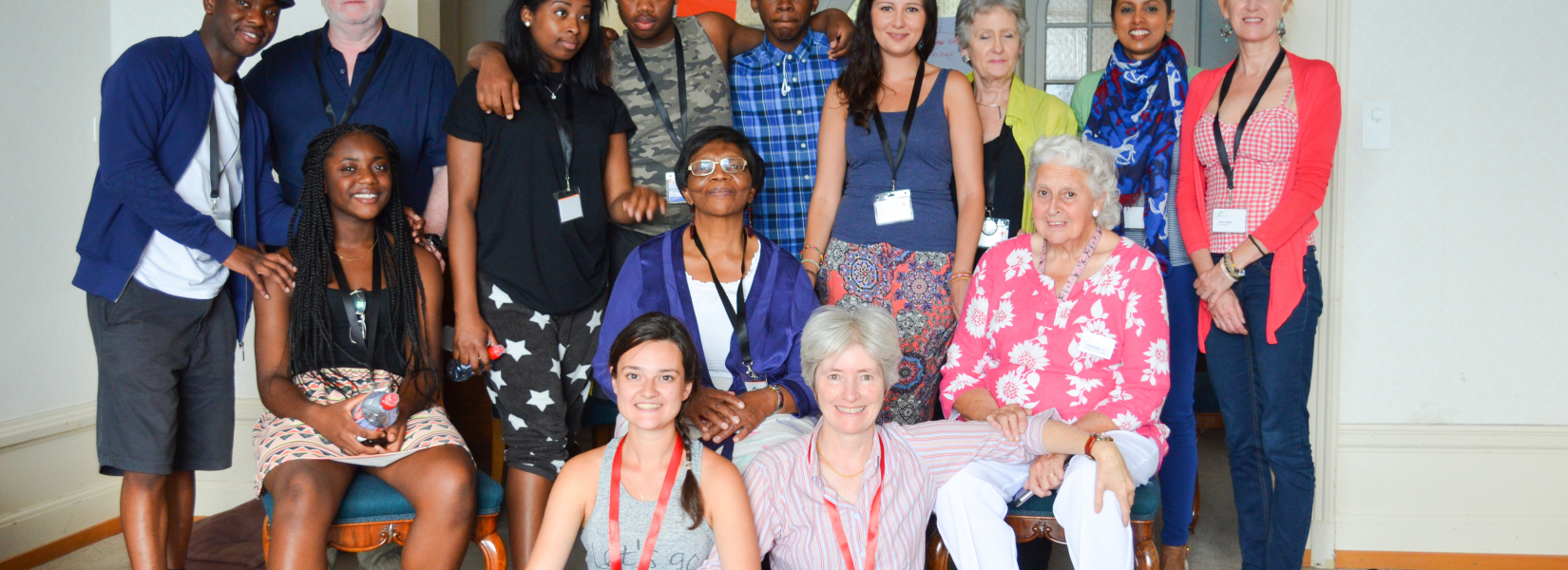
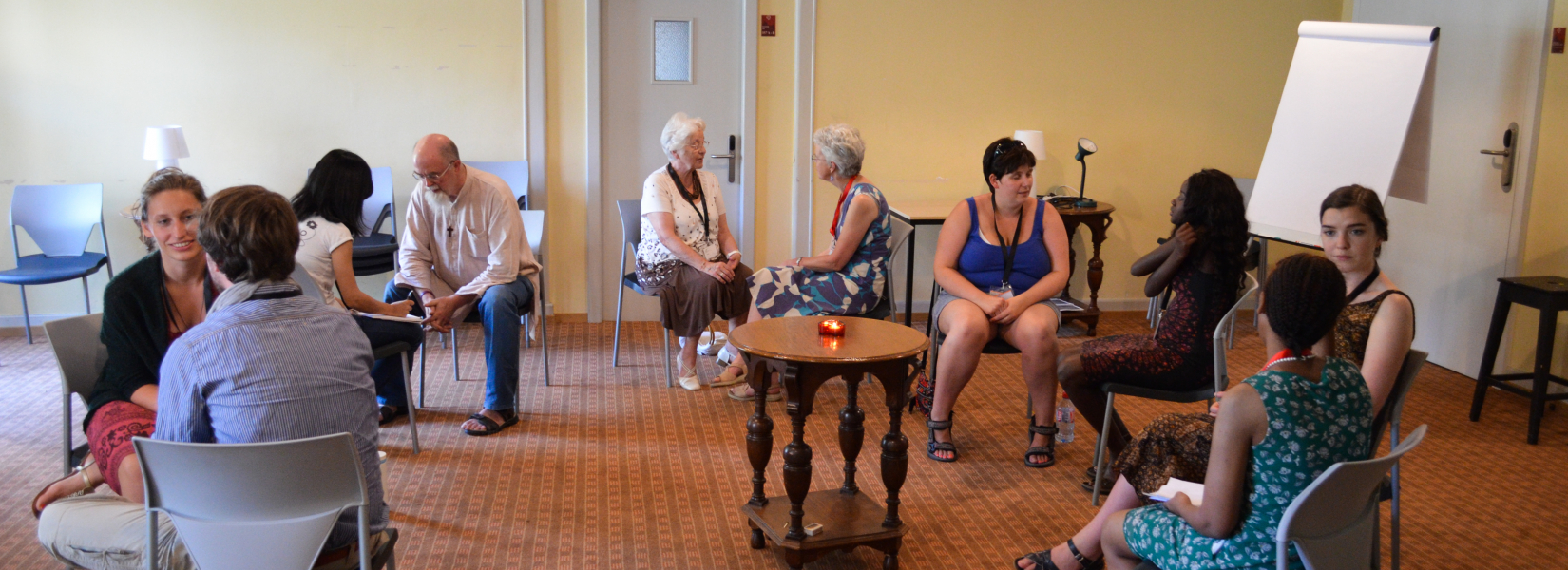
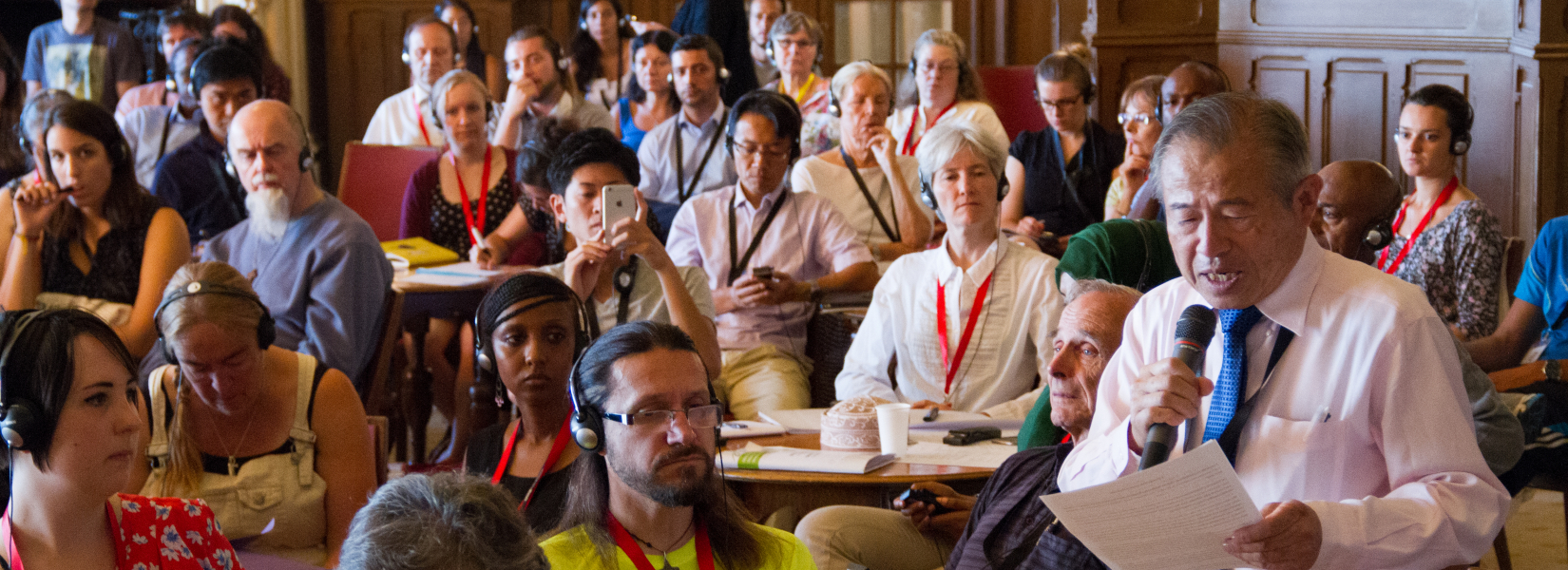
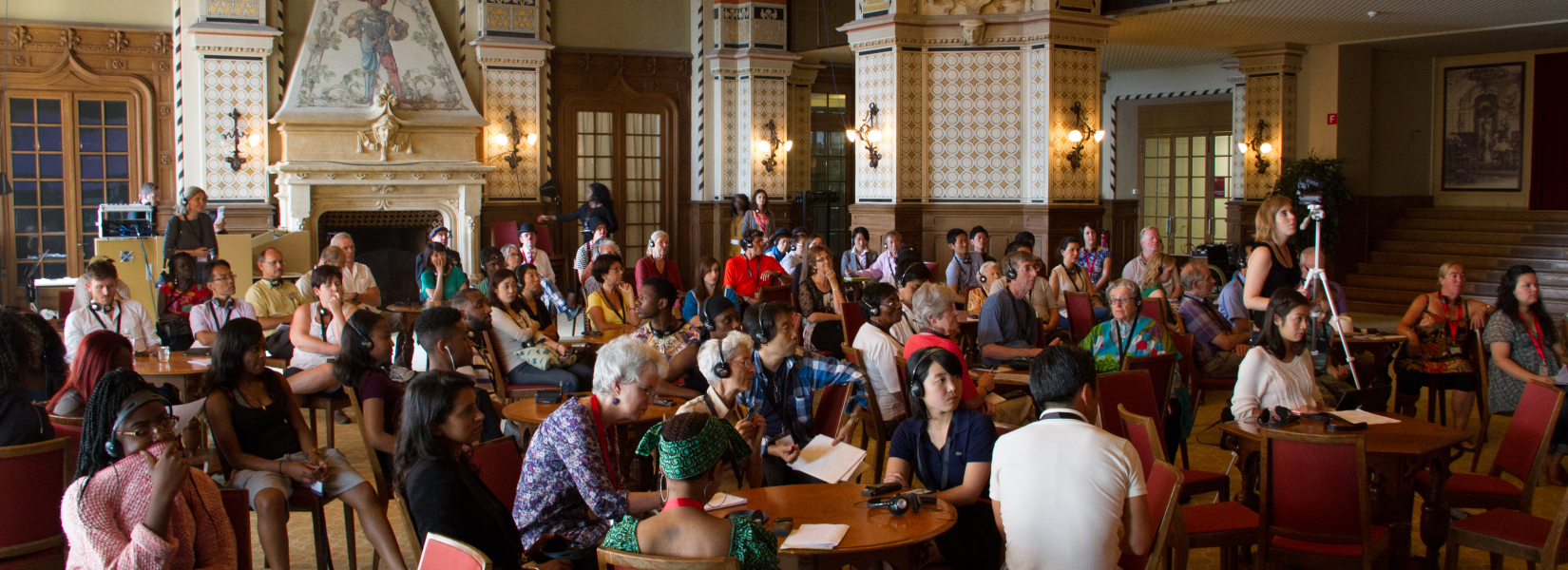
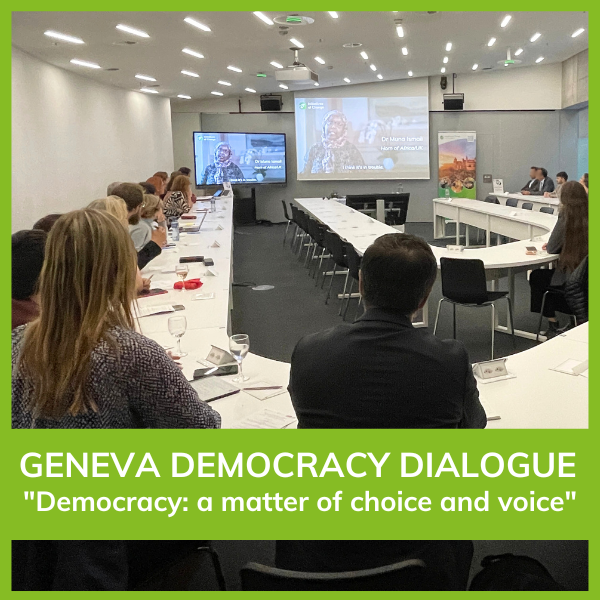
On the International Peace Day on 21 September 2015, CAUX-IofC “walked the talk” and invited all neighbouring not-for-profit organisations from the Varembé 1-3 building in Geneva to help breaking down silos and engage in dialogue. Organisations from the Humanitarian, Development, Human Rights and Peace and Security sectors exchanged on approaches in our common work for Peace explored synergies.
related stories
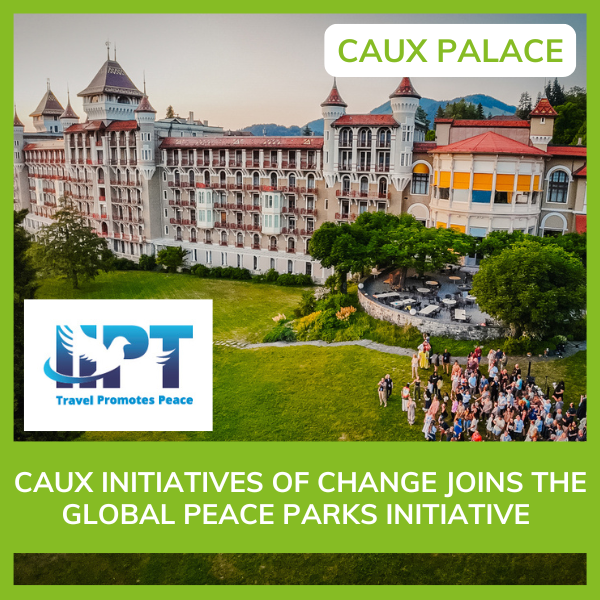
Caux Initiatives of Change joins the global Peace Parks Initiative
The Caux Initiatives of Change Foundation is pleased to announce its participation in the Peace Parks Initiative , a global network coordinated by the International Institute for Peace Through Tourism...
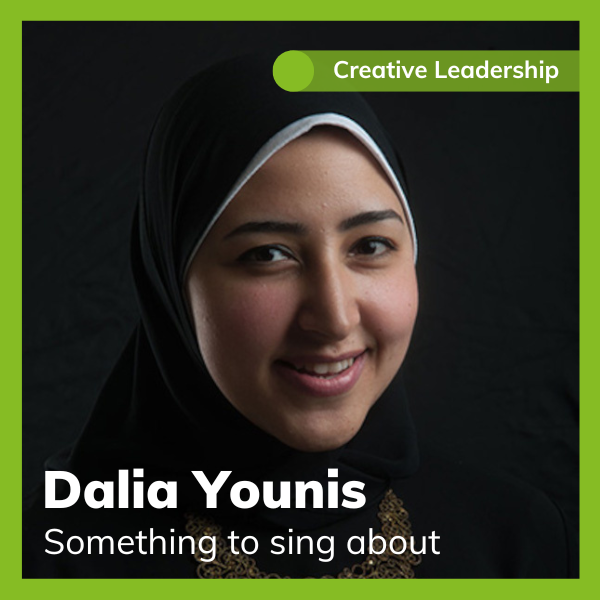
Something to sing about
How can singing make a difference in people's lives? Pioneering Egyptian musician Dalia Younis was a guest speaker at the Creative Leadership conference in 2022 where she talked about how she uses sin...
'Thank you for bringing Caux to us'
'I have never been to Caux, because of visa issues. So when I received an email asking about the impact of the conference, I wrote as part of my reply, ‘Thank you for bringing Caux to us’. - Betty Nab...
Maria’s battle to end suicide in Manizales
Two years ago, Maria del Pilar went out dancing with one of her friends, Laura, who was ‘the funniest person’ she knew. Two weeks later, Laura committed suicide. Maria couldn’t understand how such a y...
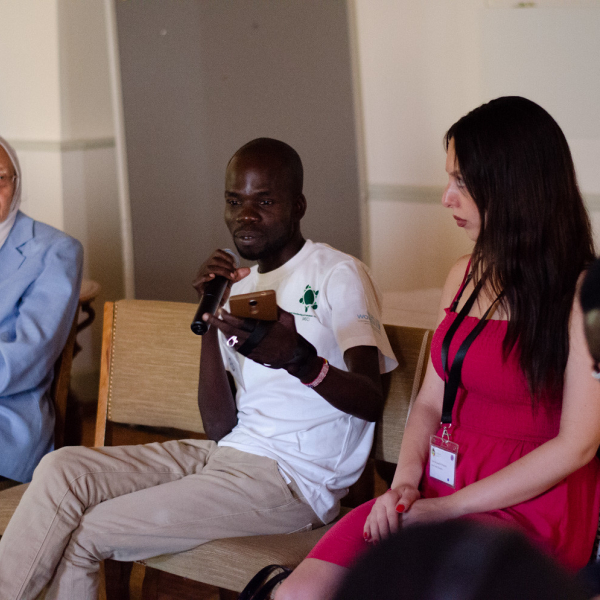
TIP 2018: "Where are we going to go from here?”
Today at Towards an Inclusive Peace, we discussed the power of restorative justice. On July 12, Dr. Carl Stauffer, Associate Professor at Eastern Mennonite University, and Thalia González, Associate P...
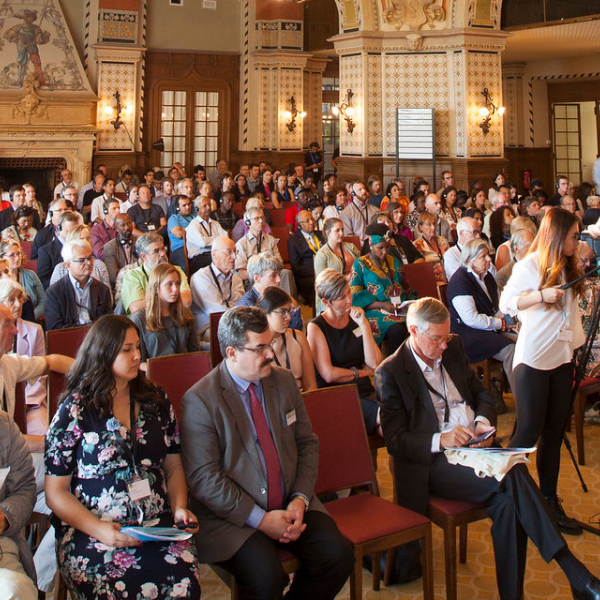
Building Trust in the Digital Age: Challenges and Opportunity
‘Trust needs to exist for society to function at all,’ said Christine Beerli, Council Member of Initiatives of Change Switzerland and panel moderator, as she kicked off the Caux Forum 2018. Emerging t...
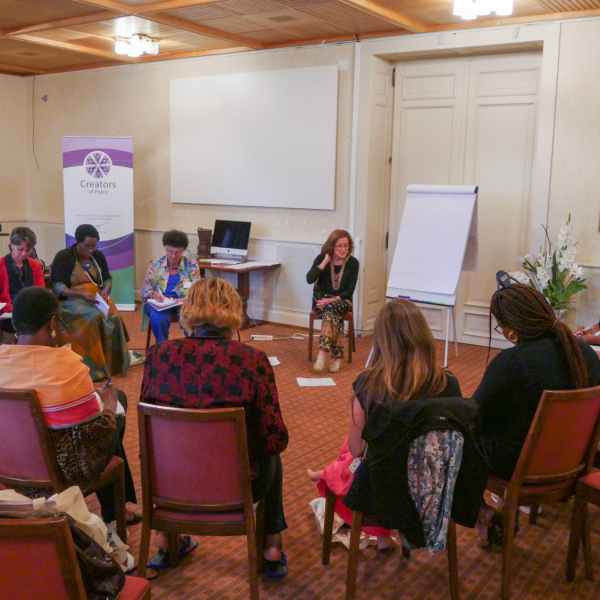
Opening of Living Peace: Celebrating 25 Years of Creators of Peace
The Living Peace Conference opened on 6 August 2016, bringing together women, and some men, from 43 different countries at the Caux Palace to celebrate all that Creators of Peace has achieved over the...
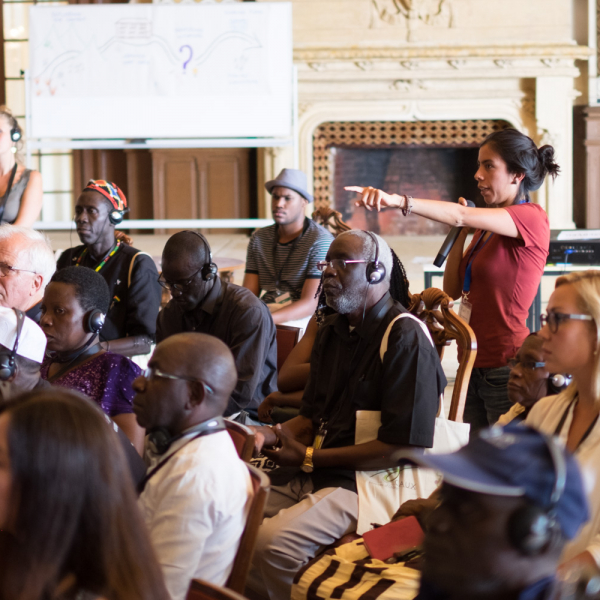
Closing of the 2016 edition of the International Peacebuilders Forum
Mpanzu Bamenga closed this year’s International Peacebuilders’ Forum (IPF) by sharing his story of migration from Zaïre to the Netherlands. He spoke of difficulties he encountered as a migrant, and h...
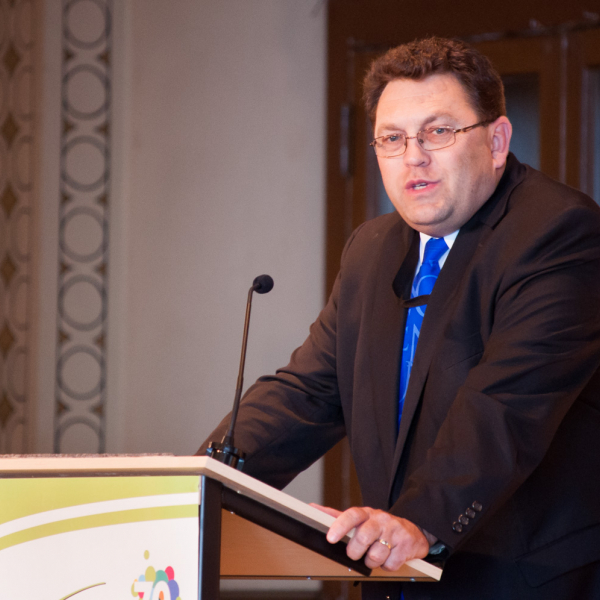


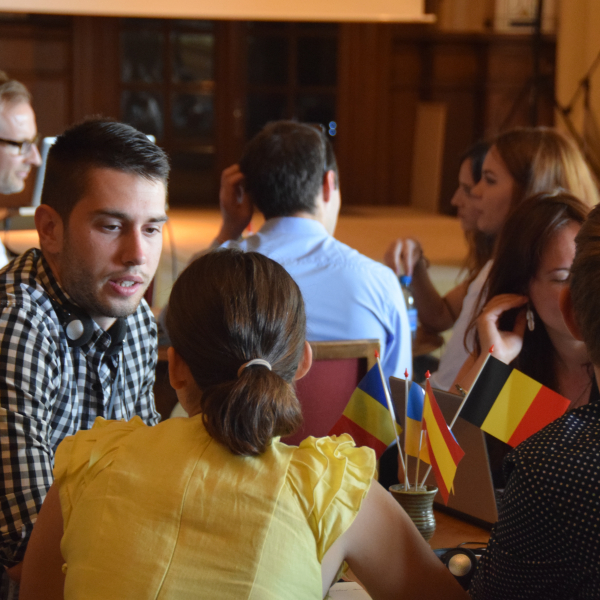
AEUB 2015: Opening of "Addressing Europe's Unfinished Business" on 16 July 2015
Addressing Europe’s Unfinished Business started on 16 July 2015. The day included discussions of what is meant when we say “Europe” and reflection on the many small but important steps that were made ...
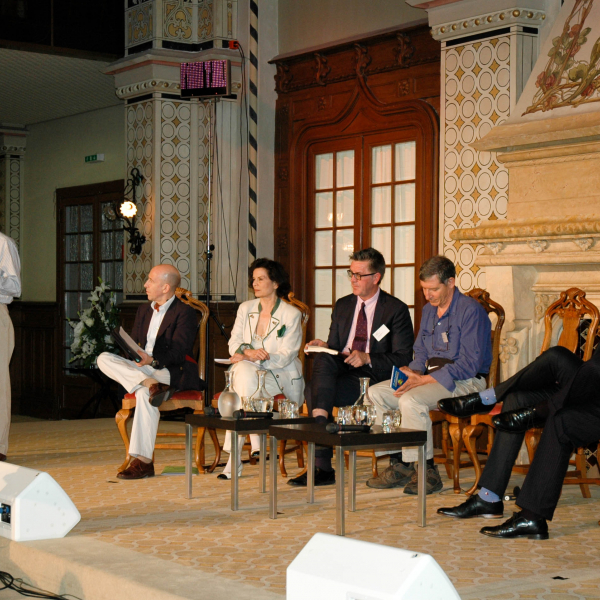
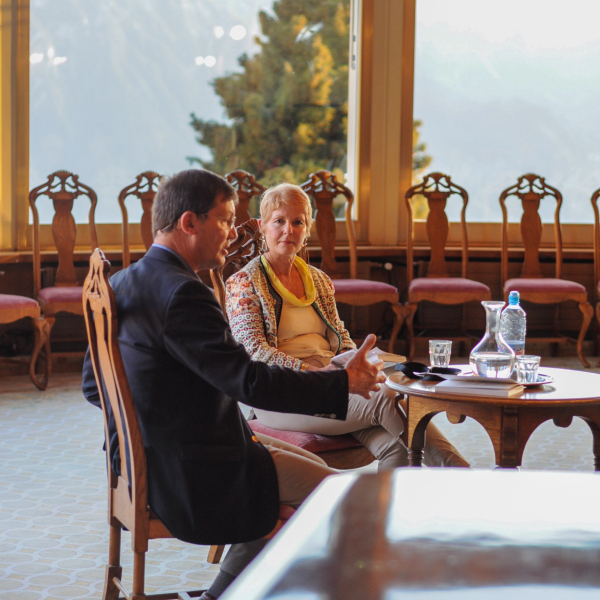
TIGE 2015: Conscience needed in banking and business, says author of new book
Journalist and author Michael Smith urged the need for ‘conscience-based decision-making’ in banking, business and the economy when he launched his new book Great Company in Caux, Switzerland, on 28 J...

 “I always had that dream of serving the world. As a Christian, I used to pray to God. I said ‘I want to serve your children’ – and then six years ago I got the opportunity to come here. I felt that dreams come true, if you really believe.







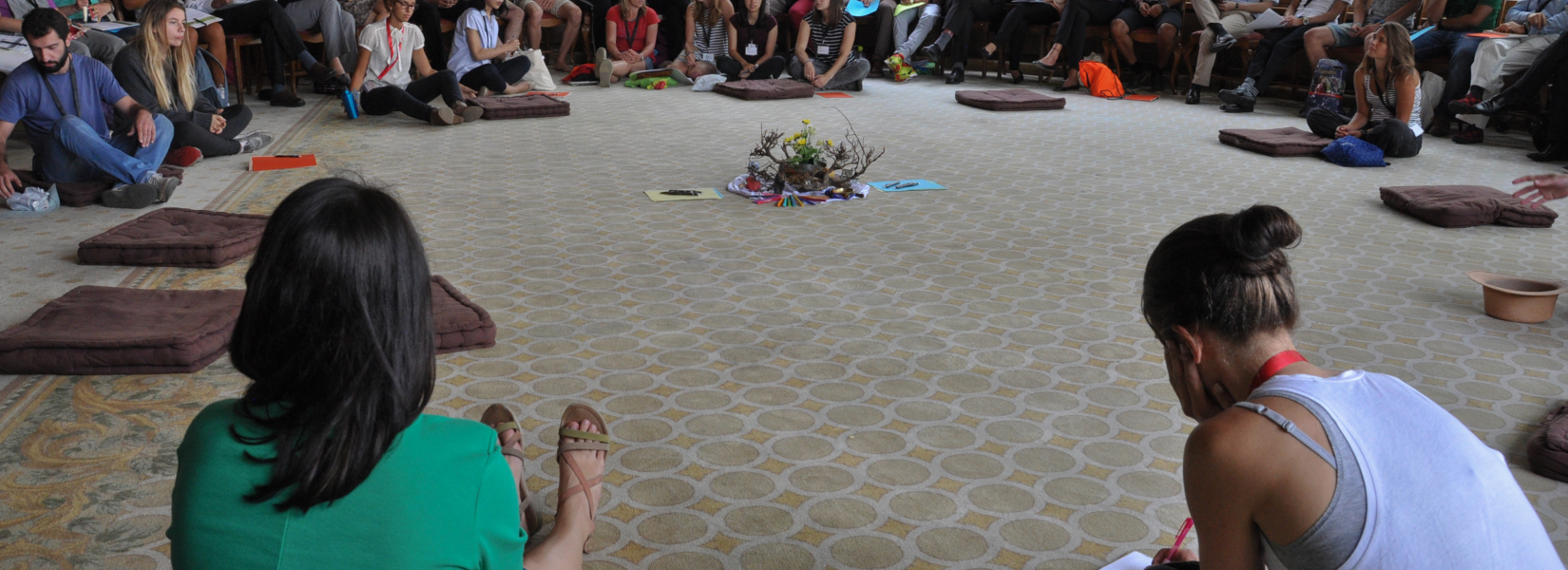
 On the final full day of the conference the workshop groups or “tracks” came together to share what they had learned it the last few days. The closing ceremony was enriched through fun activities and engaging conversations.
 The conference is organized everyday starting by plenaries to spark inspiration, then participants go to their reflection groups to connect and finally they are invited to choose between 4 workshops to equip them (tracks) :
 It can often be multiple, as he said “living is moving”. Before asking the audience what experiences led them to greater growth, he shared his personal thoughts: “ An enabling environment for growth has to be created, but sometimes the organizations that limit you the most are those that help you grow the most”. He also stressed on the fact that finding one’s purpose is seen as personal freedom, but that we should not mistake it as the lack of connectivity: "Freedom stems from the linguistic root of friendship. Freedom is not a lack of binding, it’s the exact opposite."