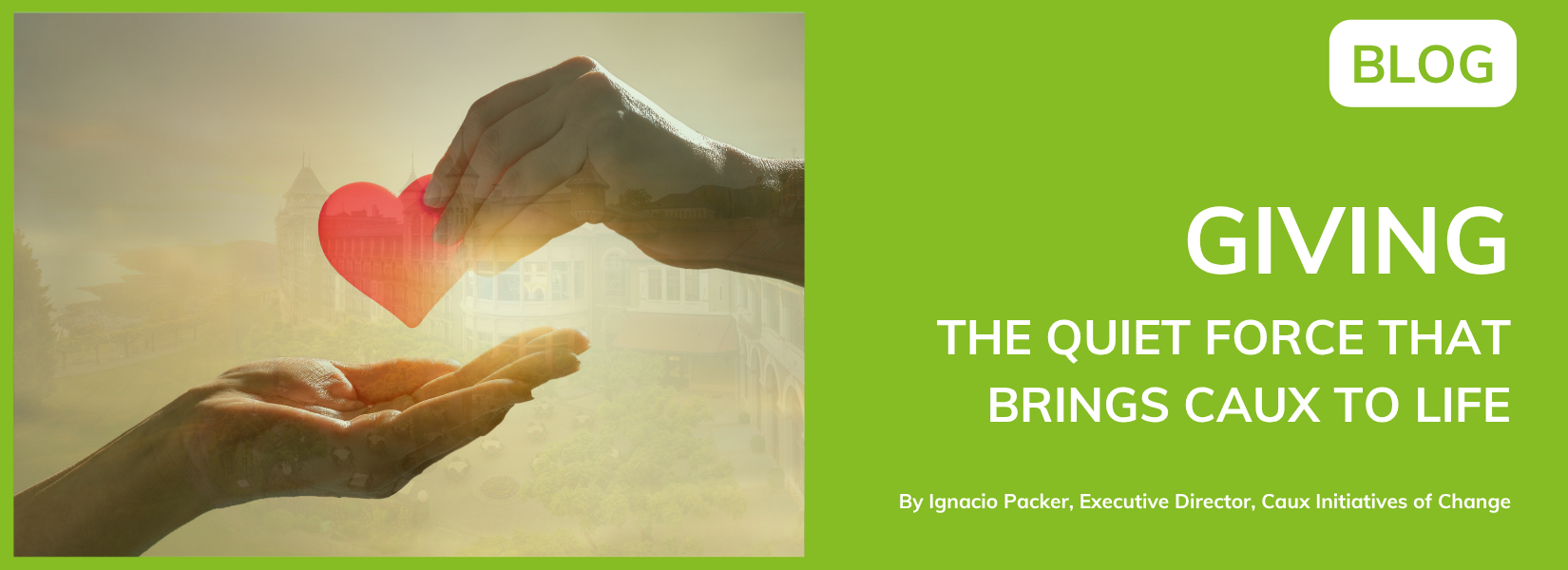
Nuclear Victims Remembrance Day 2026: When nuclear survivors warn, the world must listen

A blog by Ignacio Packer, Executive Director Caux Initiatives of Change

06/03/2026
Featured Story
Off
A blog by Ignacio Packer, Executive Director Caux Initiatives of Change


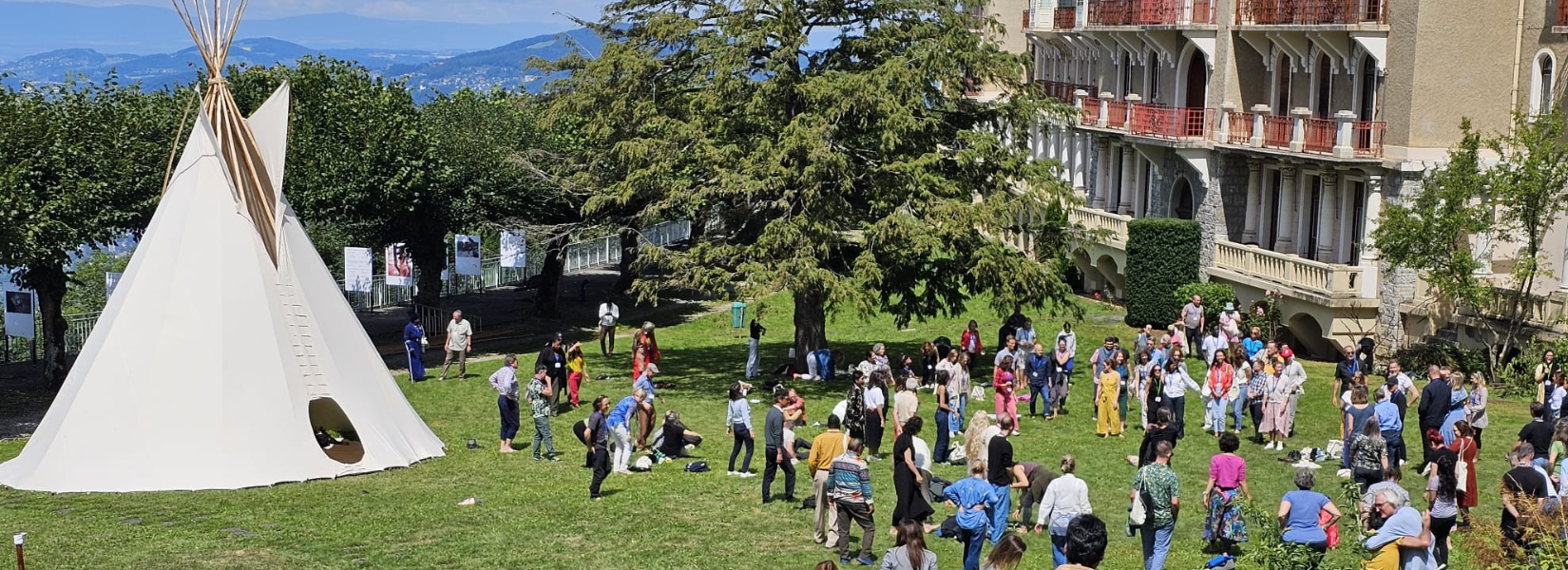
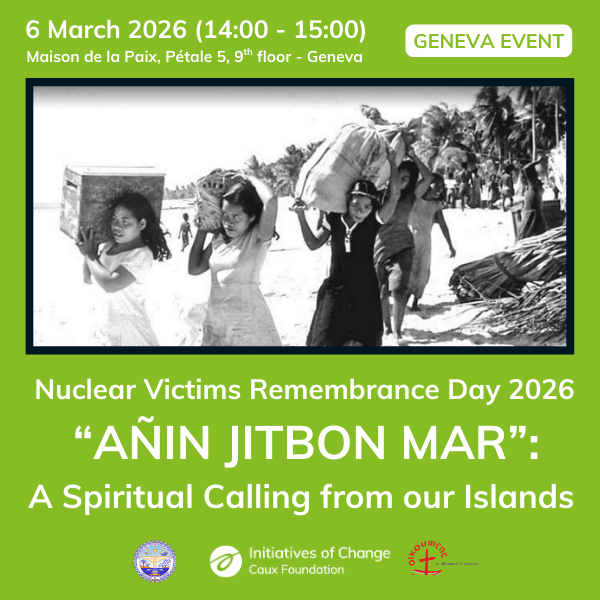
Each year on 1 March, the Marshall Islands observe Nuclear Victims Remembrance Day, honouring those affected by the nuclear testing programme conducted between 1946 and 1958. This year, the Permanent Mission of the Republic of the Marshall Islands, together with the Caux Initiatives of Change Foundation and the World Council of Churches, hosted a commemoration on 6 March 2026 at the Maison de la Paix in Geneva.

Marking the 72nd anniversary of the Castle Bravo nuclear test test — the most powerful nuclear weapon ever detonated by the United States — the event highlighted the lasting human, environmental and intergenerational consequences of the 67 nuclear tests carried out in the Marshall Islands. Under the theme “Añin Jitbon Mar” (Spiritual Calling from our Islands), the commemoration called for global solidarity in addressing the legacy of nuclear testing and pursuing nuclear justice.

Following the event, Ignacio Packer, Executive Director of the Caux Initiatives of Change Foundation, shares his reflections on the powerful warning carried by nuclear survivors and what it means for the world today:


 ____________________________________________________________________________________________________________
 

Today, I found myself listening more than speaking.

It was Nuclear Victims Remembrance Day, at the Geneva commemoration on 6 March. The room was filled not with political rhetoric, but with voices carrying memory — the memory of nuclear testing in the Marshall Islands and of the generations who still live with its consequences.

There are moments in international Geneva when you realise that diplomacy and humanity intersect in a very personal way. For me, this was one of those moments.

Between 1946 and 1958, sixty-seven nuclear weapons were detonated in the Marshall Islands. For many of us, those numbers belong to history books. For the Marshallese people, they belong to family stories — to illness, to lands that could never be returned to, and to a relationship with the ocean and the land that was deeply disrupted.

Today, we listened to those voices. And they were not speaking about the past alone.

They were warning the world.

There are moments (...) when you realise that diplomacy and humanity intersect in a very personal way.

Nuclear Victims Remembrance Day 2026
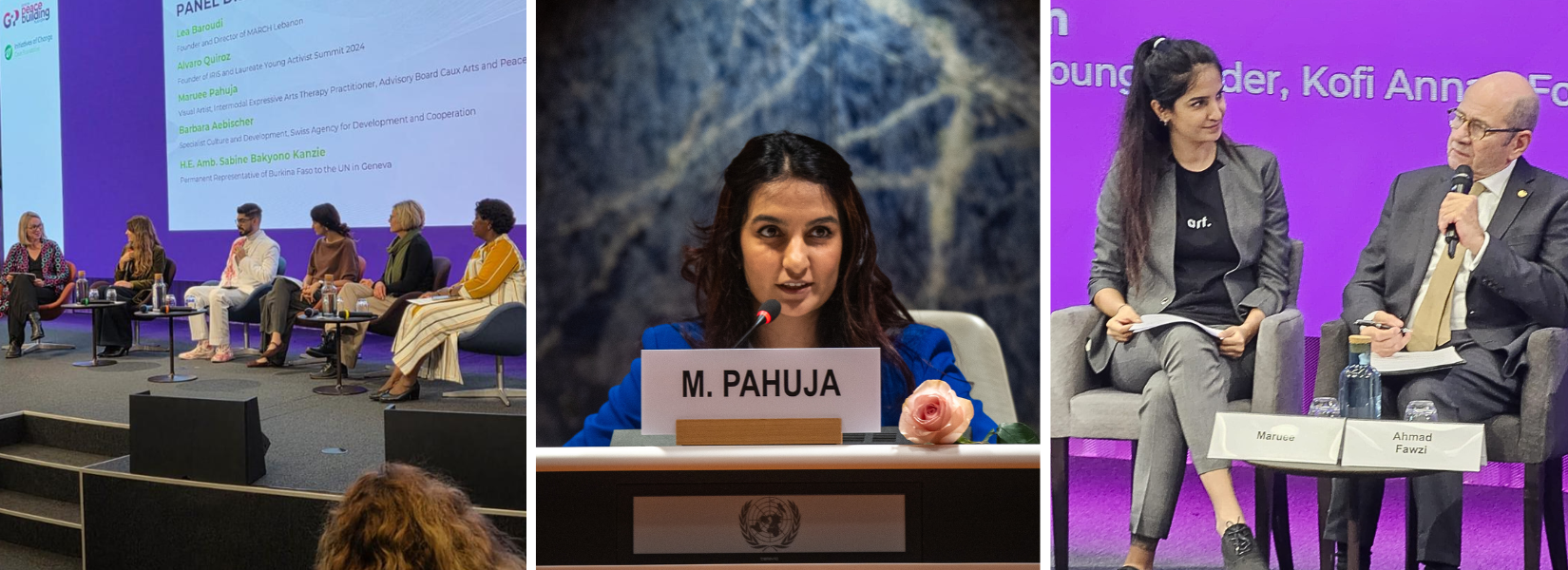
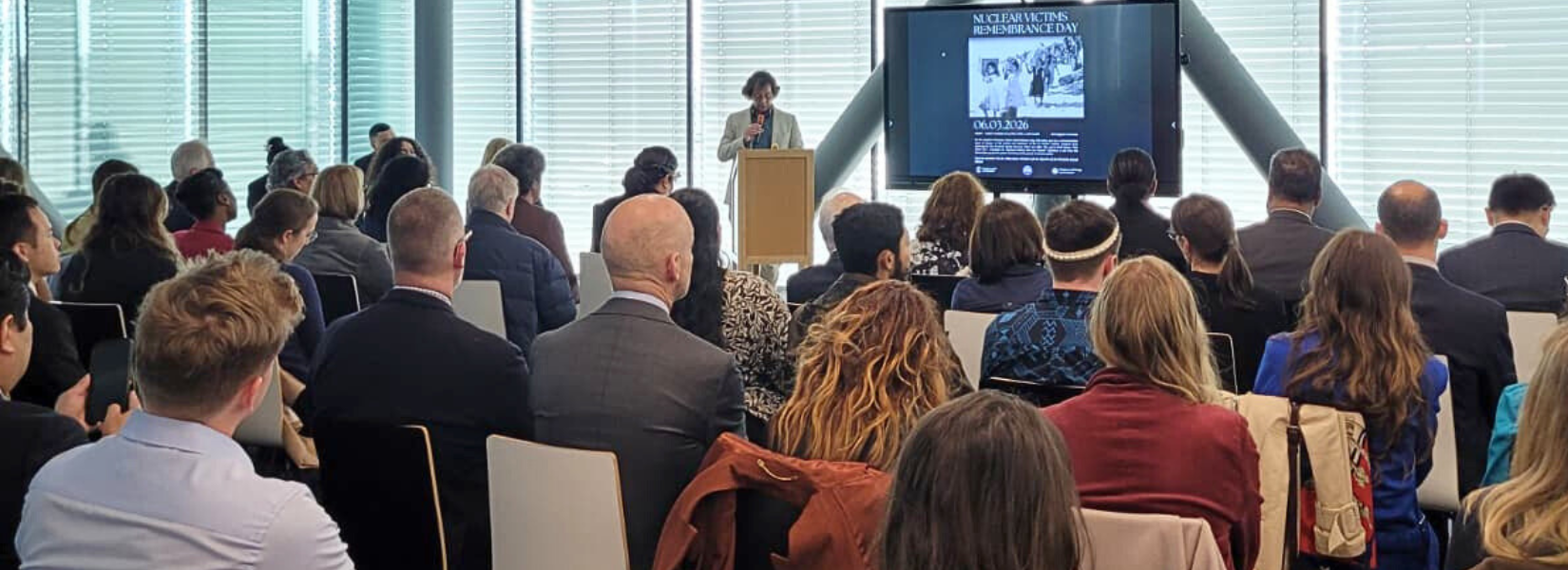
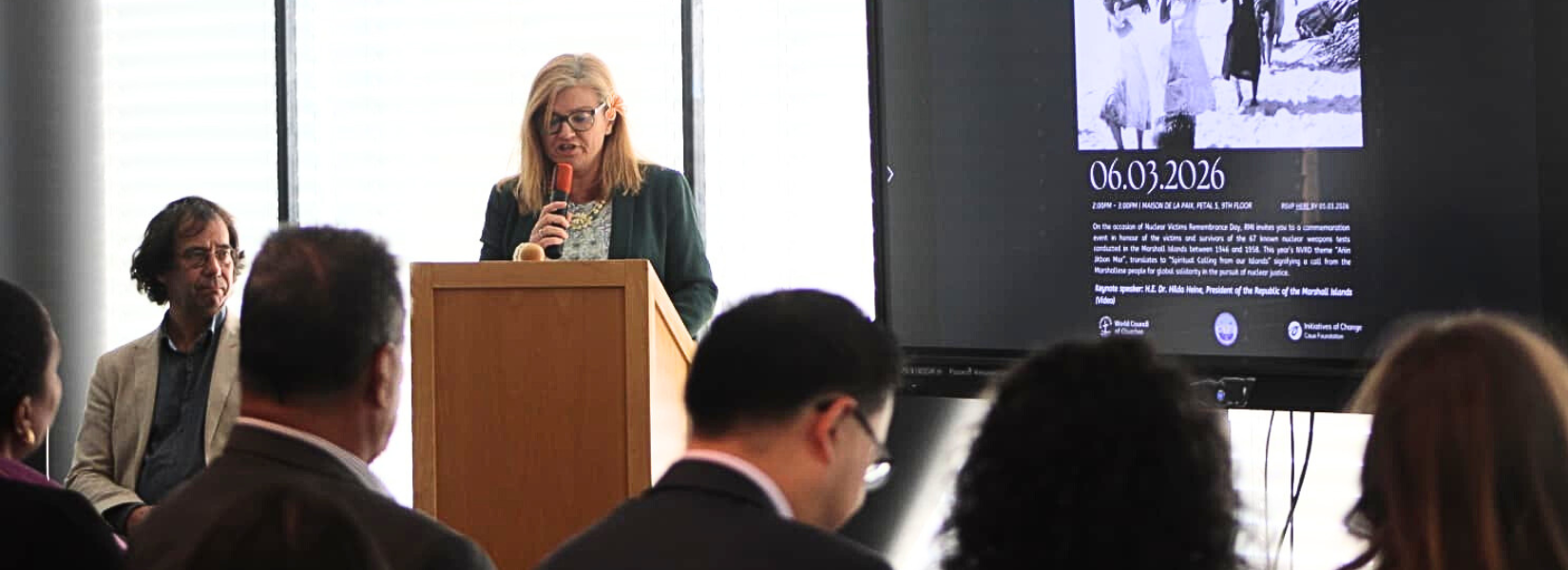
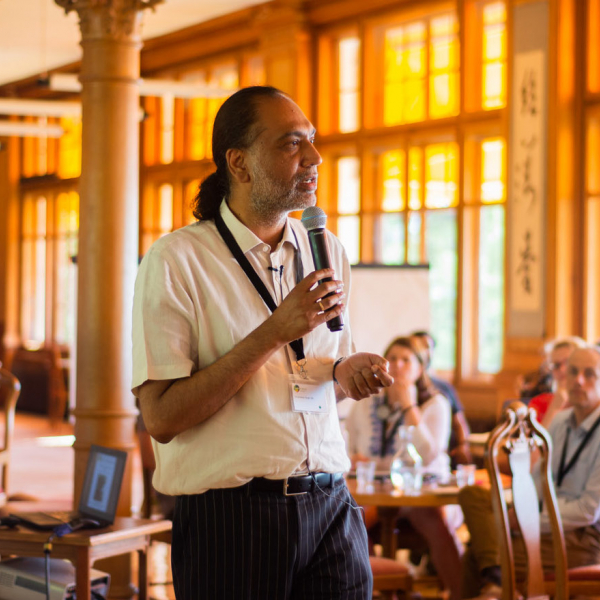
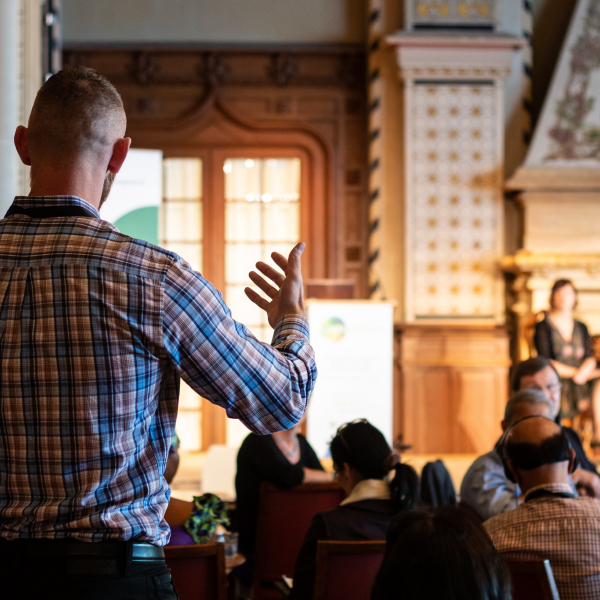
Ignacio Packer speaking at the event in Geneva (photo: E. Brenot)


I was born in 1962, at the height of the tensions surrounding the Berlin Wall and the Cuban Missile Crisis, when the Cold War brought humanity frighteningly close to nuclear catastrophe. For my generation, the nuclear threat was part of the background noise of childhood — something we hoped would gradually fade as the Cold War ended.

For a while, it seemed that it had.

Yet recent assessments by the UN and leading research institutes warn that the world may be entering its most dangerous nuclear moment in decades. Conflicts are intensifying, arms-control frameworks are weakening, and nuclear arsenals continue to expand.

In the past week alone, wars have escalated dramatically. Global tensions continue to rise. The language of nuclear weapons has returned to international discourse.

As I listened to the survivors today, I could not help thinking about the world that younger and future generations are inheriting. I am the father of three wonderful young adults, now between 27 and 32 years old. Like many parents, I hope they will live in a world where the lessons of the past have been learned, not forgotten.

But hope alone is not enough.

What struck me most at today’s commemoration was the dignity with which the survivors spoke. There was no anger in their words. Instead, there was determination — a quiet reminder that nuclear weapons are not abstract geopolitical tools. They are instruments capable of inflicting immense suffering on human beings and on entire ecosystems.

Survivors understand this reality better than anyone. And when survivors speak, humanity is invited not only to remember, but to learn.

When survivors speak, humanity is invited not only to remember, but to learn.

Nuclear Victims Remembrance Day 2026
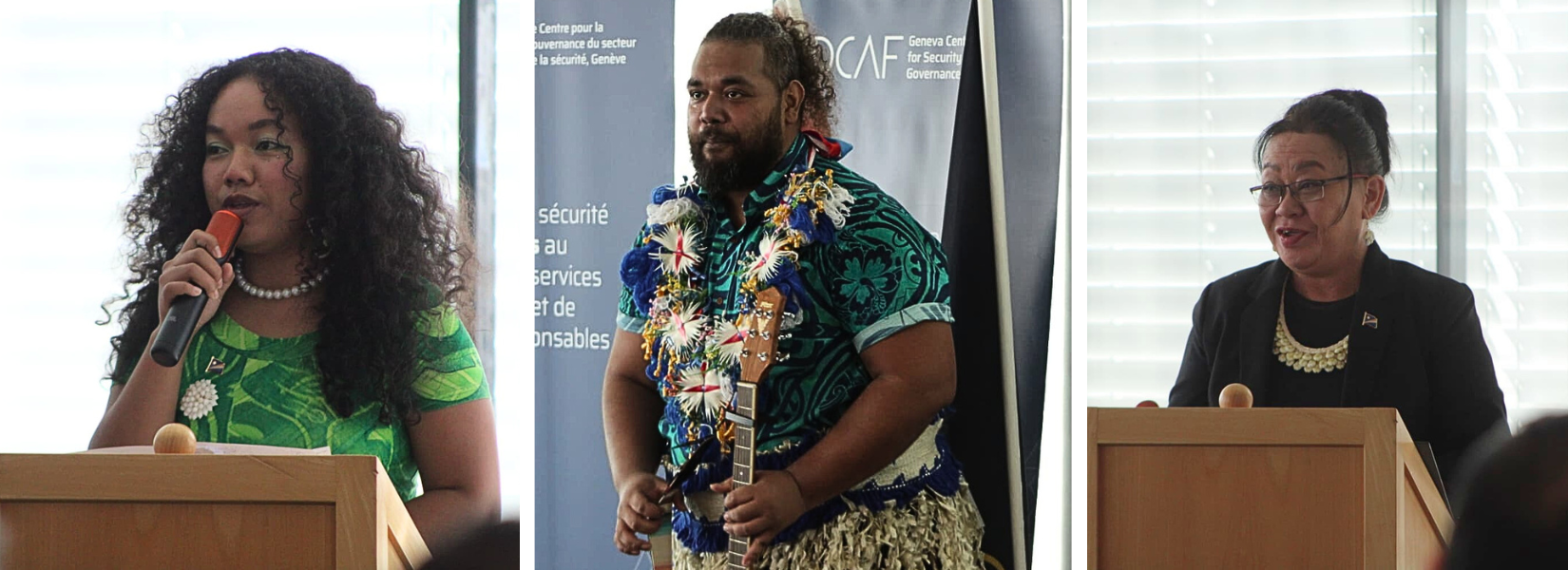
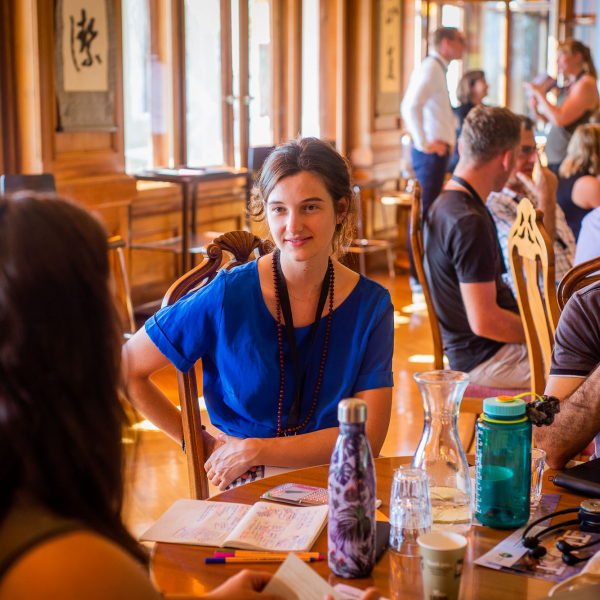
From left to right: Selina Leem, Activist, Nuclear Justice and Climate Justice I John Taukave, Pacific Cultural Arts, PhD candidate, University of Amsterdam I  Ambassador Doreen de Brum, Representative of the Marshall Islands in Geneva (photos: E. Brenot)


I am also conscious that I write these words from a privileged part of the world, where peace and stability are often taken for granted. Yet over the years, as a humanitarian, I have had the privilege of meeting people from many corners of the world — communities living through conflict, displacement, injustice, and extraordinary resilience.

Those encounters change how you see the world. They remind you that our planet is deeply interdependent. The suffering of one region is never truly isolated from the rest of humanity.

Today, as a devastating war unfolds in the Middle East and geopolitical tensions rise elsewhere, the warning carried by nuclear survivors feels painfully relevant. Their message is not ideological. It is profoundly human.

Remember what happened. Understand the consequences. Choose a different path.

At the Caux Initiatives of Change Foundation, we believe that peace begins with the courage to listen — especially when the stories we hear challenge our comfort.

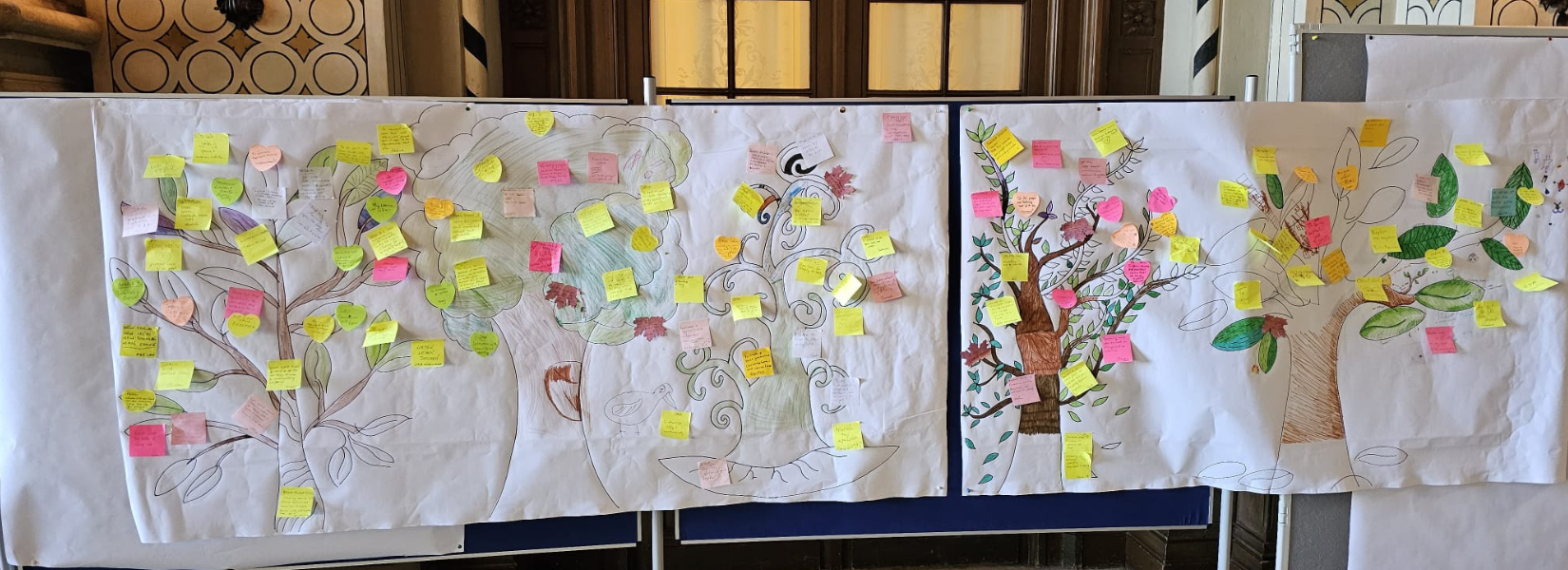
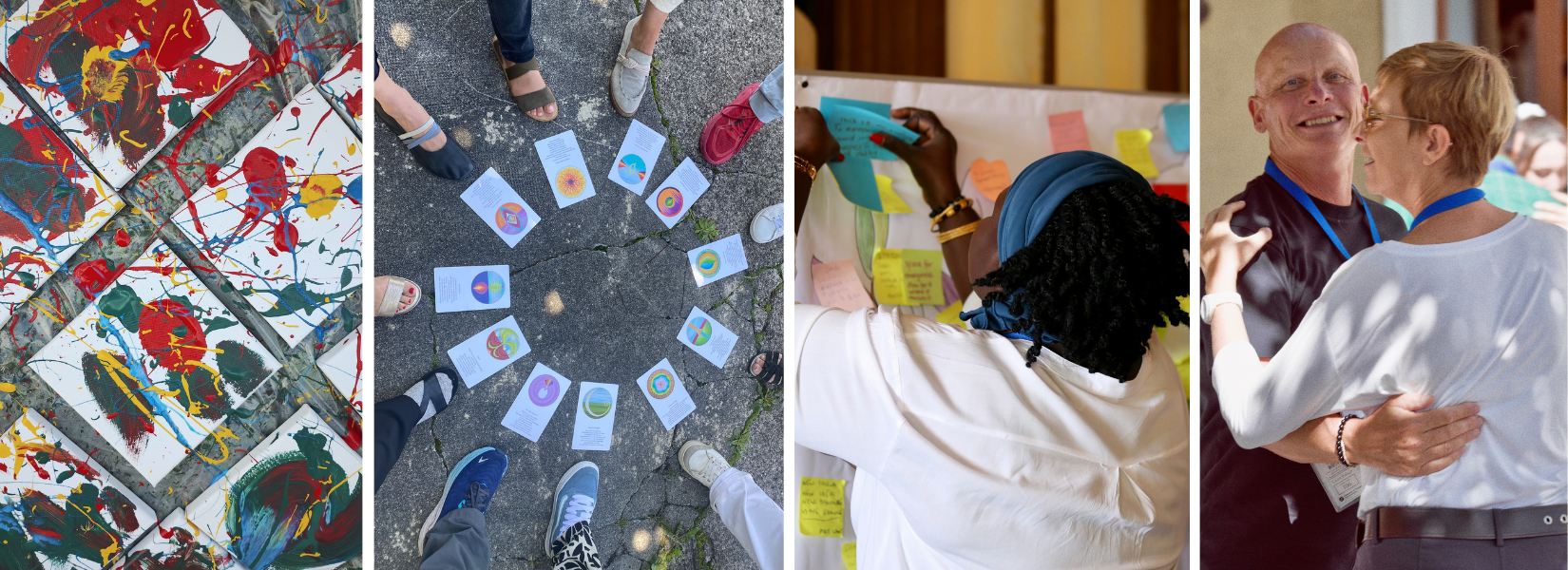
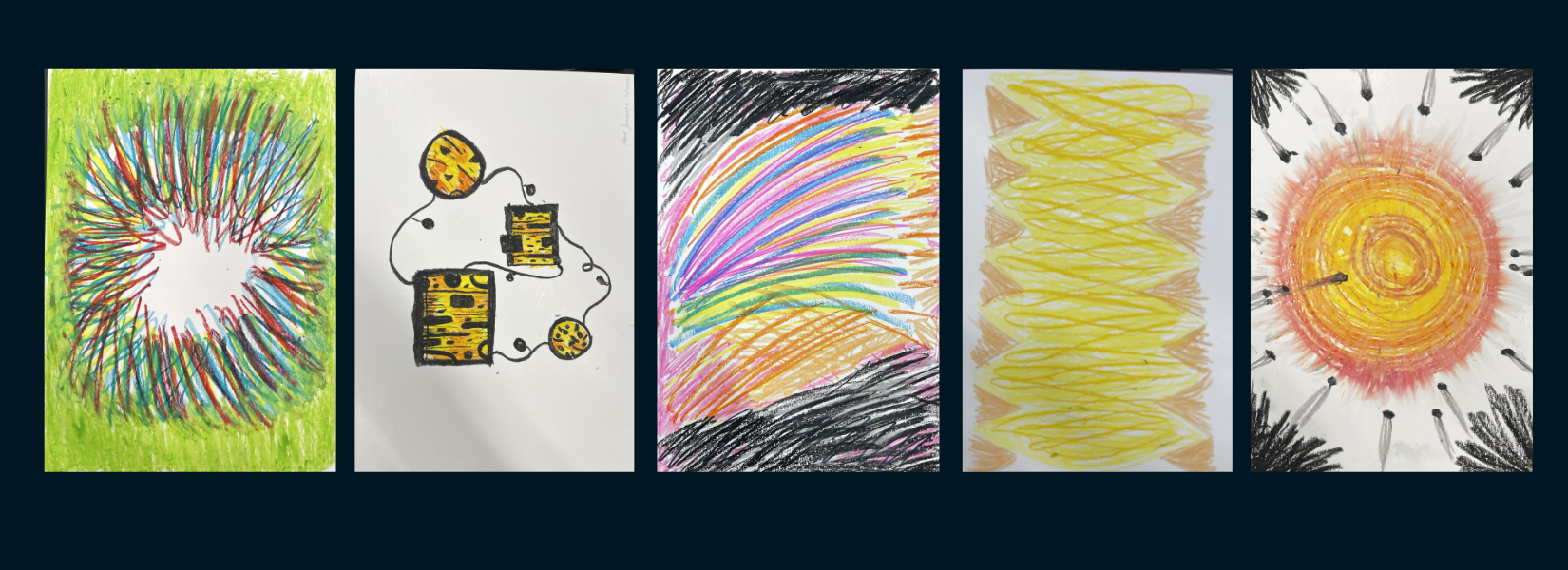
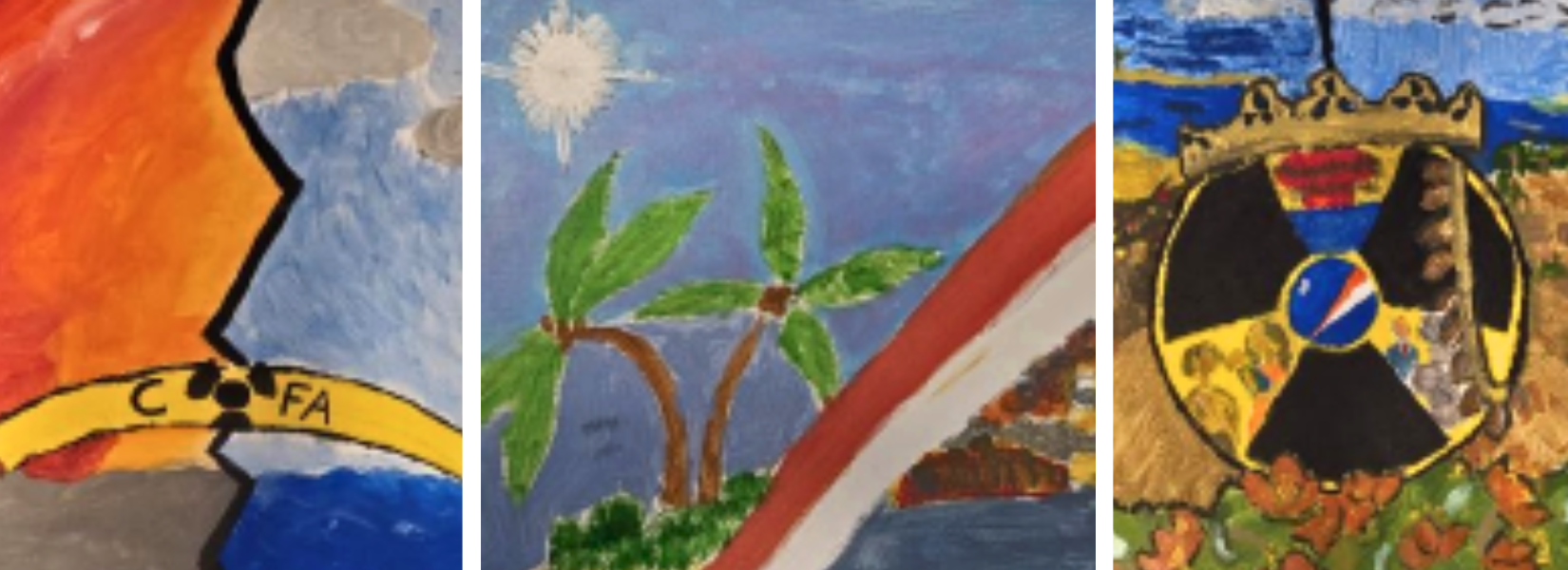
Last summer in Caux above Montreux, in the historic Caux Palace, we hosted an exhibition of drawings created by children from Pacific communities affected by nuclear testing. More than 800 visitors came to see the exhibition. Many discovered the story of the Marshall Islands for the first time.

Children often express truth with remarkable clarity. Their drawings spoke of loss, but also of hope. They reminded us that memory can become a force for responsibility.

We believe that peace begins with the courage to listen — especially when the stories we hear challenge our comfort.

Nuclear Victims Remembrance Day 2026 expo Caux 2025
Extracts of paintings by Marshallese children at the exhibition in Caux in 2025


This year, the Caux Foundation marks 80 years of Caux as a place dedicated to trust-building and reconciliation. Over those eight decades, people from around the world have gathered there to confront difficult histories and rebuild trust across divides.

The voices we heard today belong to that same journey. They are not voices of accusation. They are voices of warning — and of hope.

In a world where wars continue to erupt and mistrust grows between nations, the testimonies of nuclear survivors remind us of something essential: peace is not simply the absence of war. It is the result of choices we make, individually and collectively.

Choices to listen. Choices to remember. Choices to act with responsibility toward future generations.

Peace is not simply the absence of war. It is the result of choices we make, individually and collectively.

Nuclear Victims Remembrance Day 2026
Jennifer Philpot Nissen, Human Rights and Disarmament, from the World Council of Churches (photo: E. Brenot)


As a father, as a humanitarian, and simply as a citizen of this fragile planet, I cannot hear those voices without asking a simple question: In a world where wars spread, nuclear risks rise, and mistrust deepens between nations, what must each of us do now to protect our children’s future?

The survivors from the Marshall Islands are asking us to reflect on that question with honesty. Their call is not addressed only to governments.

It is addressed to all of us.

Read Ignacio's speech at the commemoration event in Geneva on 6 March 2026


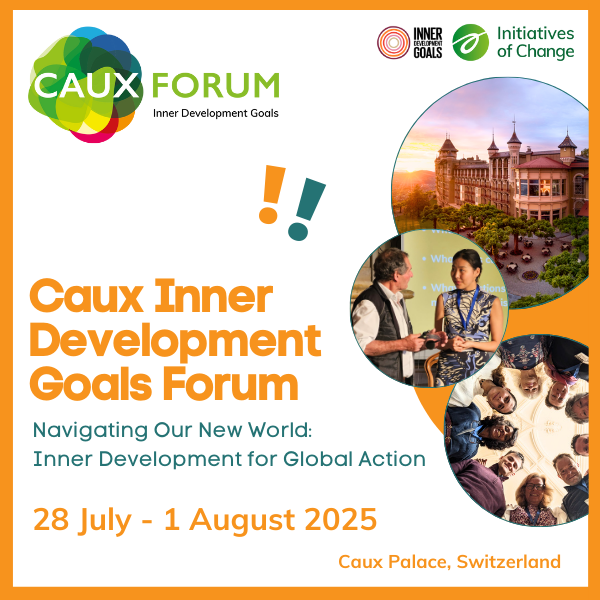
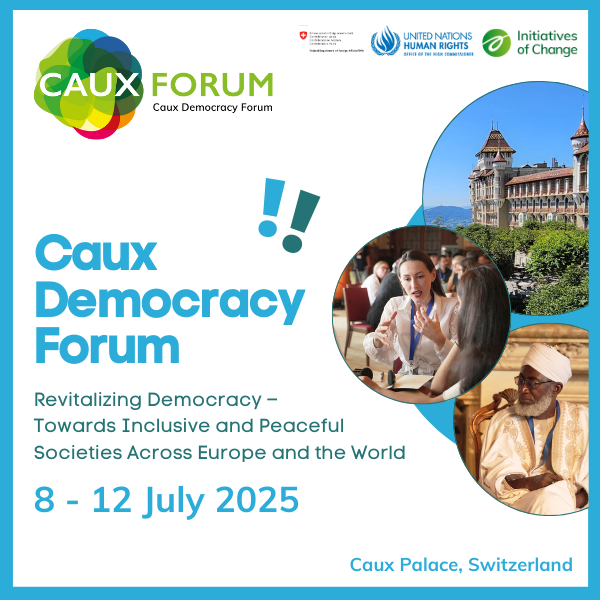
The voices of survivors not only call us to reflect on the future we are shaping. They also remind us that democracy, peace and human security require courage, dialogue and responsibility. This summer, the Caux Democracy Forum (22 - 26 June) will bring together people from all over the globe in Caux to explore Hope, Healing and Human Security.


Be part of the conversation — learn more and register now.


 ____________________________________________________________________________________________________________


Ignacio Packer is Executive Director of the Caux Initiatives of Change Foundation, a Swiss charitable foundation committed to promoting trust, ethical leadership, sustainable living and human security. With over 30 years of experience in humanitarian and development work, he worked at the European Bank for Latin America and then at KPMG, before becoming a recognised leader of NGOs and international alliances for over 25 years. An expert in human rights and social issues, he has been particularly involved in defending protection frameworks for migrants and refugees, especially children and young people.
Event Categories
Nuclear Remembrance Day
Job Offer
Off

related stories

Marshall Islands 28 Feb square (3).png

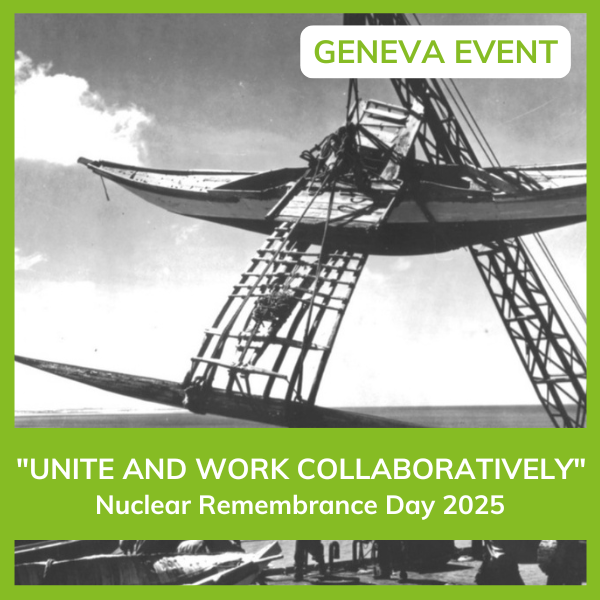
Nuclear Victims Remembrance Day 2025: A call for justice & collaboration

Each year, the Marshall Islands observe Nuclear Victims Remembrance Day on 1 March, honouring those affected by the nuclear testing programme that took place between 1946 and 1958. On 28 February 2025...


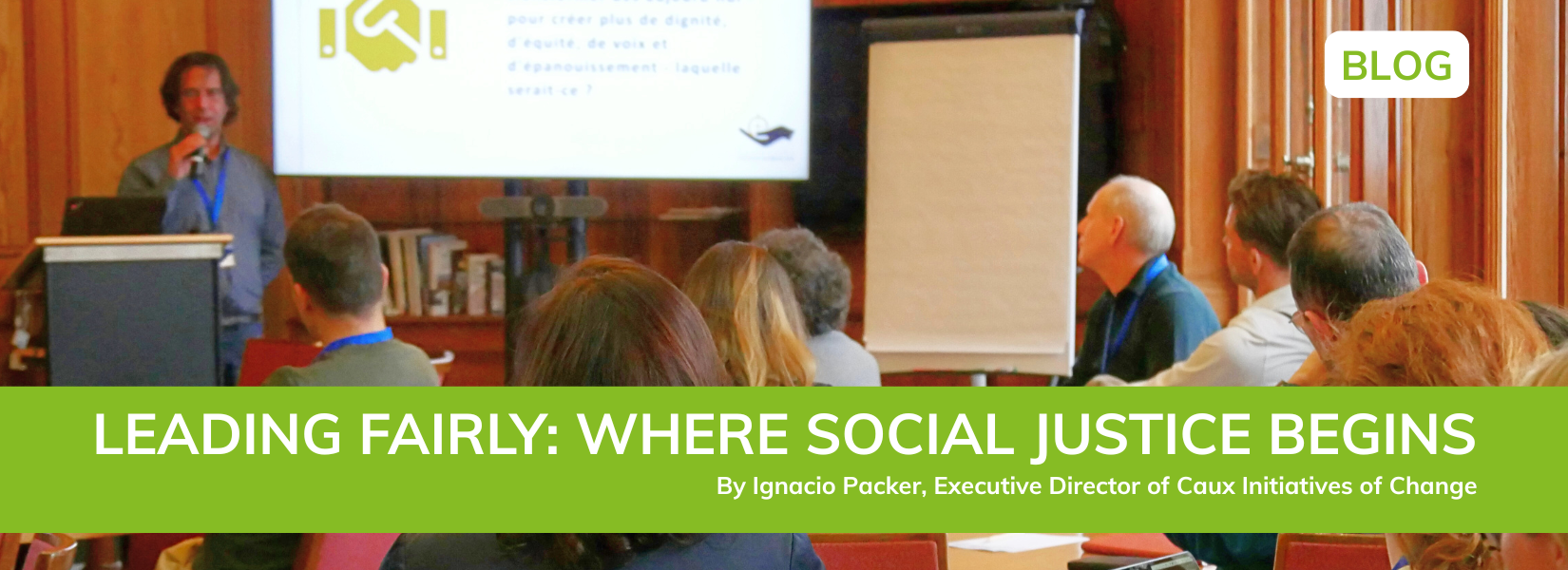
Leading fairly: where social justice begins

A blog by Ignacio Packer, Executive Director of Caux Initiatives of Change

19/02/2026
Featured Story
Off
A blog by Ignacio Packer, Executive Director of Caux Initiatives of Change


Leading today means navigating a world of uncertainty, rapid change and growing human expectations. Between economic performance and social responsibility, many leaders feel a new tension, often silent but very real. On the occasion of the International Day of Social Justice, and following on from recent discussions in Caux with business leaders, Ignacio Packer, Executive Director of the Caux Foundation, offers his thoughts on what it means to lead with justice in our time. An invitation to take a step back and reflect on the role of leadership in a changing world.

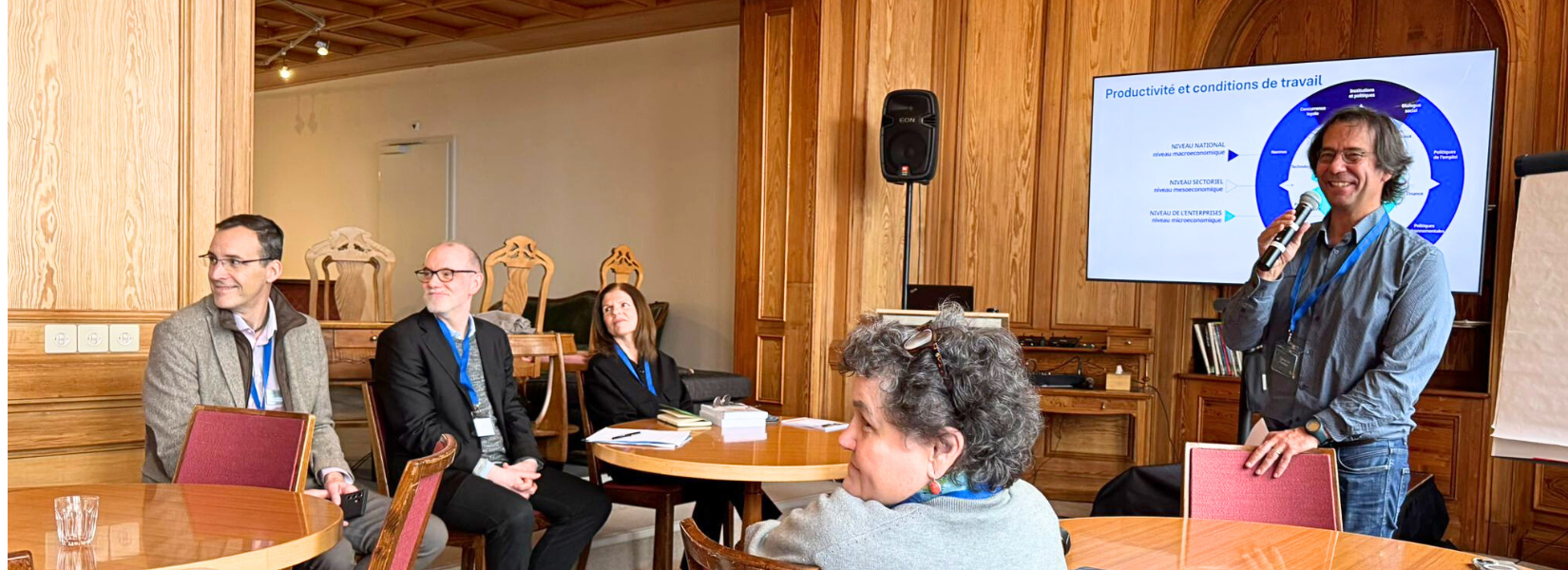
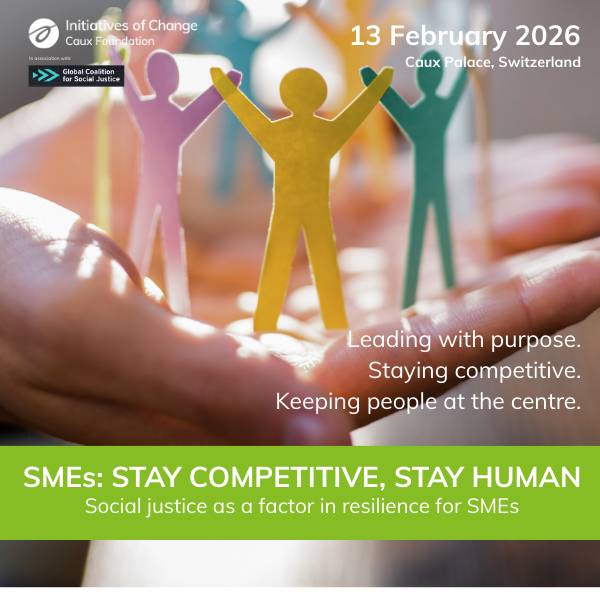
On 13 February, at the Caux Palace, we spoke with business leaders about a paradox that has become almost commonplace: their companies are still holding on... but their teams are getting tired.

No one mentioned AI at first.

We talked about difficult management meetings. About competent employees who are not leaving but who no longer make suggestions. About economically sound decisions that leave a vague sense of unease.

And at one point, one executive summed up what many were thinking: "I have to transform my company, but I don't want to be the one who hurts people."

For me, this sentence is at the heart of World Social Justice Day, which we celebrate on 20 February. Today, social justice is no longer just about laws or redistribution. It is about the daily decisions made by thousands of executives. It is about very concrete choices: reorganising, automating, cutting jobs, asking for extra effort... or waiting.

Today, social justice is the daily and very concrete decisions made by executives.

Blog Ignacio social justice 13 fév 2026
Ignacio Packer (right) on 13 February with SME leaders at the Caux Palace


A new silent responsibility

Today, many leaders are experiencing the same tension. On the one hand: costs, skills shortages, market instability, and AI. On the other: human fatigue, loss of meaning, and fragile commitment. Swiss insurance companies confirm that exhaustion has become a major cause of long-term absenteeism.

But managers do not have the luxury of waiting. And that is where something is changing profoundly.

Businesses are no longer just facing an economic crisis; they are at the crossroads of technological, social, ecological and human transformations. In this context, leadership is no longer just about optimising an organisation. It's about staying the course in uncertain times without losing people along the way.


AI is changing less the work... than the role of leaders

There is a lot of talk about what AI will replace. But the real question is: who will bear the human responsibility for decisions optimised by machines? AI will analyse better. It will often decide faster and more economically. But one question will remain human:

Is this decision fair to the people concerned?

The role of leaders is shifting from performance manager to architect of human trajectories.

Leadership is no longer just about optimising an organisation. It is about staying the course in uncertainty without losing people along the way.

Ignacio Packer

Blog Ignacio social justice 13 fév 2026
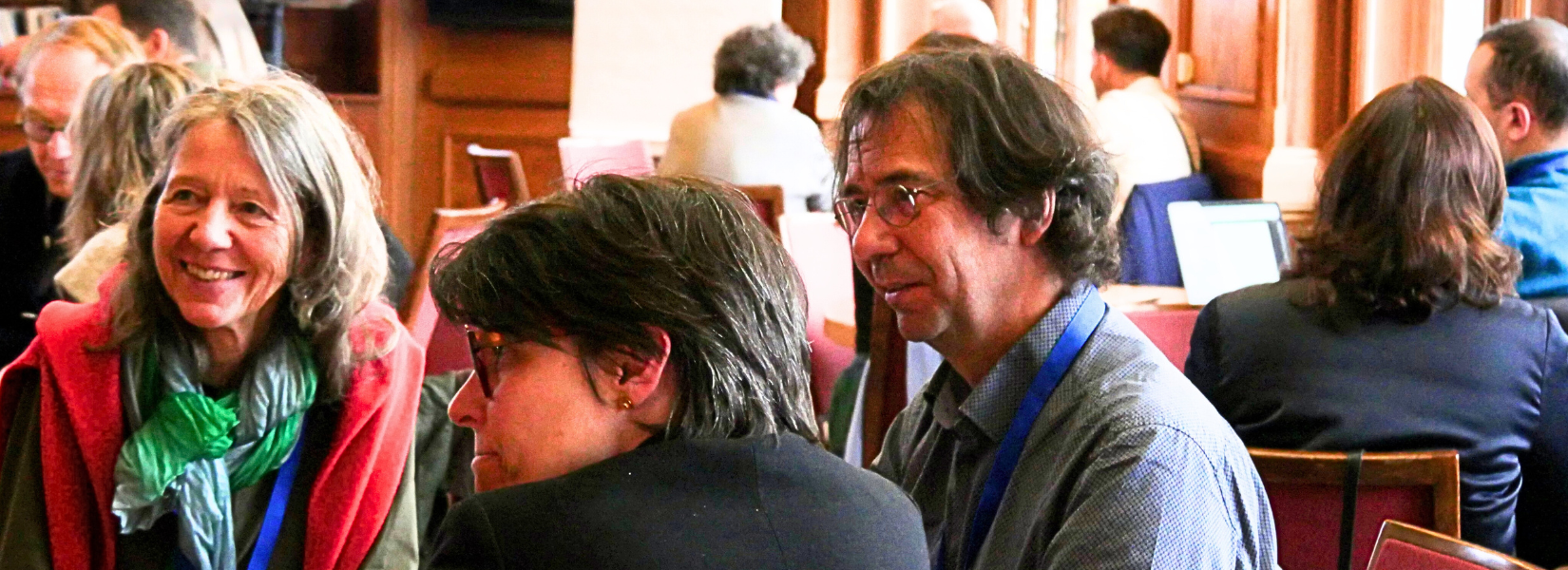
Ignacio Packer (right) in conversation with participants at the SME event


What we learned in Caux

After several discussions with leaders, one thing became clear: the problem is not primarily technical. It is internal.

Many know what to do, but are unsure how to do it without breaking trust. What is missing is not a tool. It is a space to think clearly. A space where we can step out of emergency mode and become fully responsible again.


An experience, not a training course

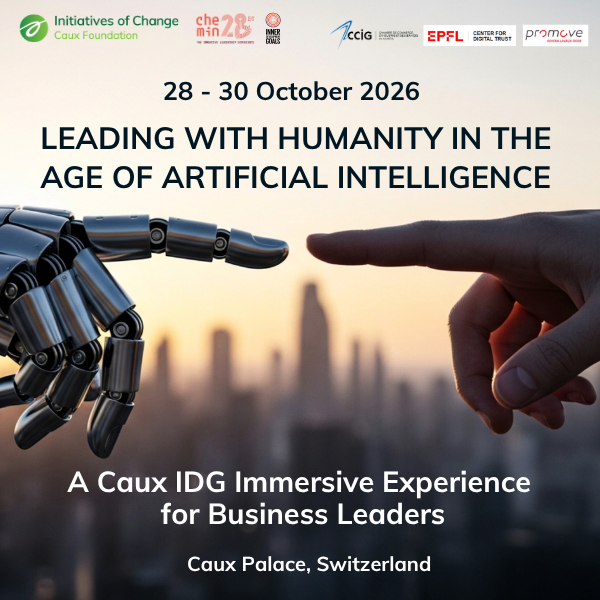
That is why we have designed an immersion programme with Chemin 28 in Caux, from 28 to 30 October 2026, to explore the question of how to lead with humanity in the age of artificial intelligence.

This choice is part of a long tradition: since 1946, the Caux Palace has been an international venue for dialogue and reflection on ethics, responsibility, and the role of decision-makers. From the Principles for Business, launched in 1994 by the Caux Round Table, to the current programmes on ethical leadership and people-centred economics, this approach has for decades supported those who see people as the key to sustainable performance.

It is not about learning AI, but about learning how to make decisions when everything is changing. A time to rediscover our inner compass, understand what needs to change and what needs to be protected, articulate performance and dignity, and transform without betraying our values.

Leaders will not come here looking for recipes. They will come here to rediscover their stance. Because, ultimately, sustainable competitiveness today depends on a rare quality: the ability to transform an organisation without creating injustice.


Blog Ignacio social justice 13 fév 2026
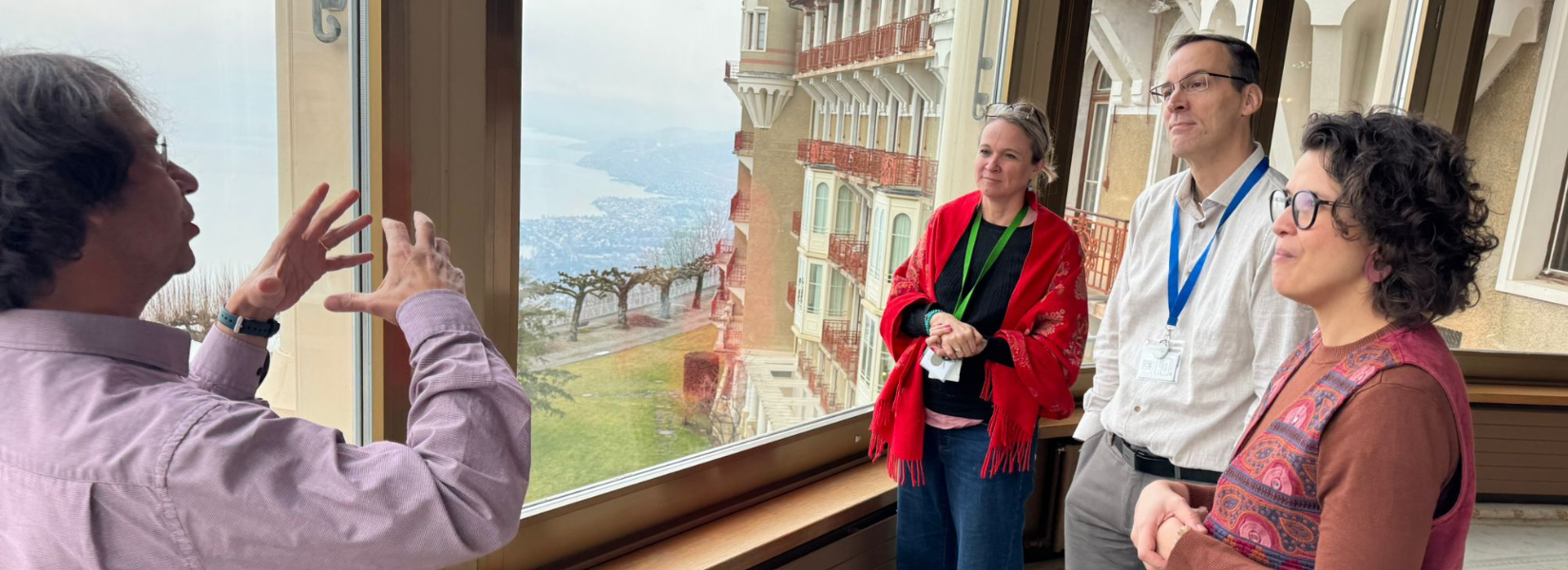
Passing on the rich history of the Caux Palace as a meeting place: Ignacio Packer (left) with Sarah Noble, Olivier Chambovay and a participant in the SME event


Social justice in practice

Social justice is no longer an abstract concept. It comes into play when a leader announces change without humiliating, automates without abandoning, reduces without destroying, explains without manipulating.

In a world marked by multiple crises and AI, the company should be a place of social stability. And every managerial decision becomes a societal decision.

At Caux, we seek to enable leaders to experience:

  • the security of a space of trust,
  • the clarity of deep reflection,
  • the hope that comes from having a clear direction
  • and the ability to take concrete action.

Then something can change.

It's not about being kinder, but about being fairer. Because it is this inner requirement that makes it possible to transform the company without sacrificing either its performance or its people.


A conviction

We are entering an era in which machines will optimise decisions. But social cohesion will depend on those who give them meaning. Leading tomorrow will not primarily be a technical skill; it will be a human responsibility.

And perhaps, ultimately, a deeply social responsibility.

Our event ‘Leading with humanity in the age of artificial intelligence’ interest you? Immerse yourself in the magnificent natural setting of the Caux Palace and explore with us how to accompany technological transitions in a fully conscious, democratic and respectful manner.

CONTACT US


It is not about being kinder, but about being fairer. Because it is this inner requirement that enables us to transform the company without sacrificing either its performance or its people.

Ignacio Packer

____________________________________________________________________________________________________________


Ignacio Packer is Executive Director of the Caux Initiatives of Change Foundation, a Swiss charitable foundation committed to promoting trust, ethical leadership, sustainable living and human security. With over 30 years of experience in humanitarian and development work, he worked at the European Bank for Latin America and then at KPMG, before becoming a recognised leader of NGOs and international alliances for over 25 years. An expert in human rights and social issues, he has been particularly involved in defending protection frameworks for migrants and refugees, especially children and young people.
 

Photos: Olivia Chollet & Christophe Koninckx


Job Offer
Off

related stories

Caux Round Table Japan  Oct 2024.png

Getting down to business with human rights

On 25 October 2024, the Caux Round Table (CRT) - Japan hosted the 13th Business and Human Rights Conference in Tokyo with 225 corporate leaders, executives and experts from several Asian countries par...

Annika Hartmann e-space masterclass Nov 2020

Creating a network and strengthening resilience in business

Annika Hartmann de Meuron, Managing Director of Ethical Leadership in Business (ELB), looks back on four exciting years of developing ethical leadership in business in Switzerland. ELB aimed to increa...

ZimbaWomen credit: ZimbaWomen

Empowering women to enter the market

The Co-founder of Zimba Women, Peace Kuteesa, is passionate about providing women with the tools and resources to participate in their economies and develop their communities. She spoke at last year's...

Online computer, credit: Chris Montgomery on Unsplash

How to make video calls more human and successful

A year ago, video conferencing became the new normal in our work lives. It was the safest place for us to meet and collaborate. It seemed so easy: just invite someone to join the call and continue as...

Rainer Gude e-space conference Nov 2020

What does it take to be an entrepreneur?

Global Entrepreneurship Week in November 2020 included e-space, a three-day hybrid event, which offered a range of master classes and conferences. Rainer Gude, Co-Director General of Initiatives of Ch...

Espace

Tools for surviving a crisis

During Global Entrepreneurship Week in November 2020, Initiatives of Change Switzerland took part in e-space, a three-day hybrid event, which offered a range of master classes and conferences. Annika ...

Swiss Digital Days Mentimetre

Swiss Digital Days 2020 - Online Workshop: Update your digital soft skills

Initiatives of Change Switzerland held a one-hour online workshop on 3 November 2020 on the topic of soft digital skills....

ELB 2020 livestream panel 2 with camera

Ethical Leadership in Business – Leadership for a resilient economy

The Ethical Leadership in Business conference, on 25 and 26 June 2020, kicked off the first Caux Forum Online. It offered a diversified experience with panels livestreamed from the Caux Palace, networ...

Nazarene Mannie

My Learning Story: Nazrene Mannie

Nazrene Mannie is the Executive Director of the Global Apprenticeship Network (GAN) and talks about her learning experiences. Our interview series 'My Learning Story’ hopes to become a global learning...

Danièle Castle

My Learning Story: Danièle Castle

Our interview series ‘My Learning Story’ hopes to become a global learning experience, connecting people around the world as they share their stories of what we all do every day: learning to build a b...

Christine Beerlie square big

My Learning Story: Christine Beerli

Discover our interview with Christine Beerli, President of the IofC Switzerland foundation, as part of our series ‘My Learning Story’....

Jowan Oesterlund big

My Learning Story: Jowan Oesterlund

Discover our interview with Jowan Oesterlund, Founder & CEO at Biohax International, as part of our series ‘My Learning Story’....

Bram Jonker long

My Learning Story: Bram Jonker

‘My Learning Story’ hopes to become a global learning experience, connecting people around the world as they share their stories of what we all do every day: learning to build a brighter future. Disco...

Biliana Vassileva

My Learning Story: Biliana Vassileva:

Our new feature ‘My Learning Story’ hopes to become a global learning experience, connecting people around the world as they share their stories of what we all do every day: learning to build a bright...


Gender Equality and Inclusion: Turning Commitment into Practice 

10/02/2026
Featured Story
Off


“Inclusion doesn’t happen by accident. Our Gender Accountability Champions ensure it happens by intention.”

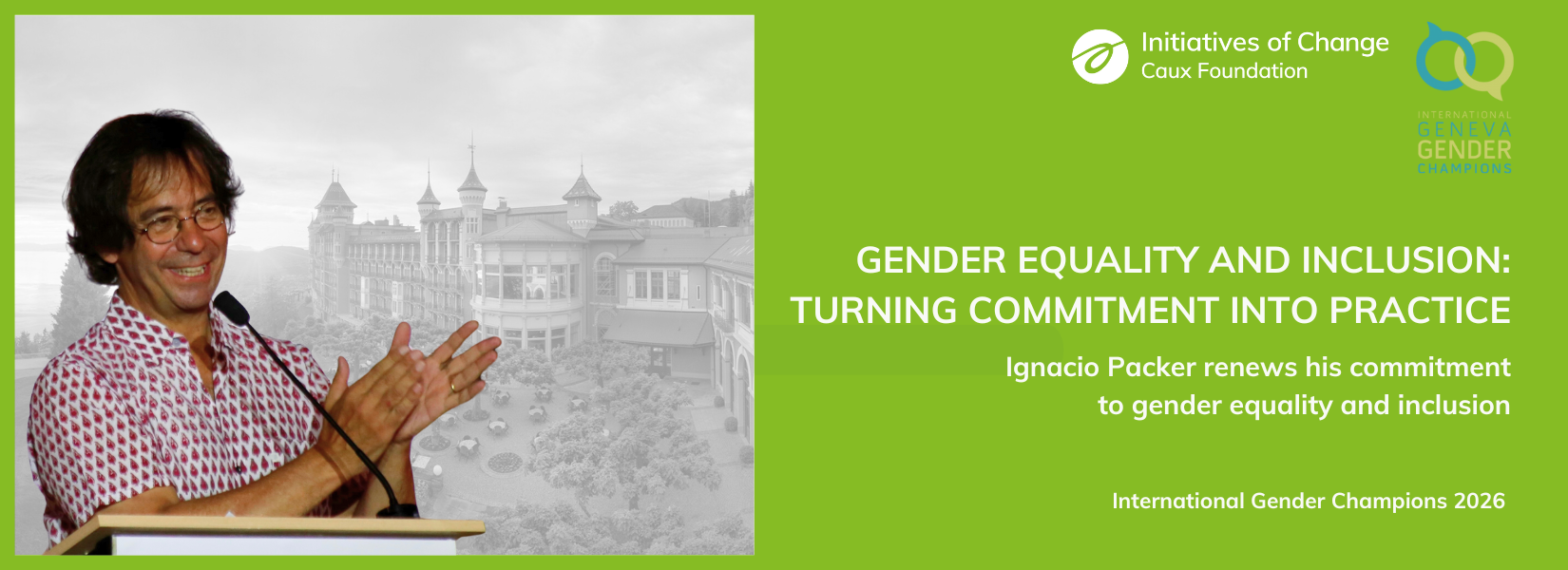
With these words, Ignacio Packer, Executive Director at Caux Initiatives of Change, reaffirms both his personal and organisational commitment to advancing gender equality. As a International Gender Champion, Ignacio is committing not only for himself, but also on behalf of the Caux Foundation, ensuring that gender equality is embedded into how the Foundation plans, facilitates, and evaluates its work.


From Intention to Deeper Implementation 

In 2026, this commitment moves decisively from initial steps to deeper, organisation-wide practice.

Through trained Gender Accountability Champions and a gender-inclusive facilitation framework, every Caux Forum and all events organised by the Caux Foundation will integrate concrete gender objectives, inclusive facilitation standards, and structured reflection and reporting.

Gender equality shouldn't be an add-on, but a core element of organisational culture and shared responsibility.

Ignacio Packer, Executive Director at Caux Initiatives of Change

Given everyone a voice - Participants at an event at the Caux Palace


Building on Strong Foundations

These 2026 commitments build on important progress made in 2025 and are structured around two core organisational commitments.


Commitment 1: Gender Accountability Champions in Every Forum and Encounter

In 2026, Gender Accountability Champions within our events organising teams will play a central role in embedding gender equality into programme design and delivery.

These Champions will:

  • Receive targeted training in gender-sensitive programme design, facilitation, and reporting
  • Ensure that each event includes at least one concrete gender equality objective
  • Submit a short Gender Inclusion Reflection Report after each Caux Forum or general event feeding directly into organisational impact reviews

This distributed leadership model shifts accountability from a single focal point to shared team responsibility, supporting deeper and more sustainable organisational transformation.


Commitment 2: A Gender-Inclusive Facilitation Framework

In parallel, Caux Initiatives of Change will continue implemening a gender-inclusive facilitation framework across all major events organised or co-organised at the Caux Palace and elsewhere in Switzerland.

In 2026, this framework will ensure:

  • At least 50% gender-balanced representation among moderators and facilitators
  • Clear guidelines for inclusive language
  • A structured feedback loop on participants’ experiences of gender safety, participation, and representation

This framework ensures that inclusion is visible, measurable, and consistently applied — strengthening both participant experience and organisational accountability.


Gender Pledge Geneva 2024
Working together as a network for more gender equality: Geneva Pledge for Gender-Responsive Climate Action 2024


A Shared Responsibility for Inclusion

At the Caux Foundation, we see gender equality not as a side initiative, but as a core way of working and a practical driver for meaningful impact.

Every step counts. Through executive leadership, trained Gender Accountability Champions, and organisation-wide standards, we are committed to making gender equality a shared value and standard that shapes how we convene, lead, and foster greater inclusion - together!


Find out more about our activities and events 2026 


Event Categories
Gender Champions
Job Offer
Off

Sayali Powale

Sayali Powale is a marketing and creative professional with over nine years of international experience across advertising, branding, and digital projects. She has worked with global agencies and brands, leading multidisciplinary teams and managing campaigns across digital, print, and experiential platforms.

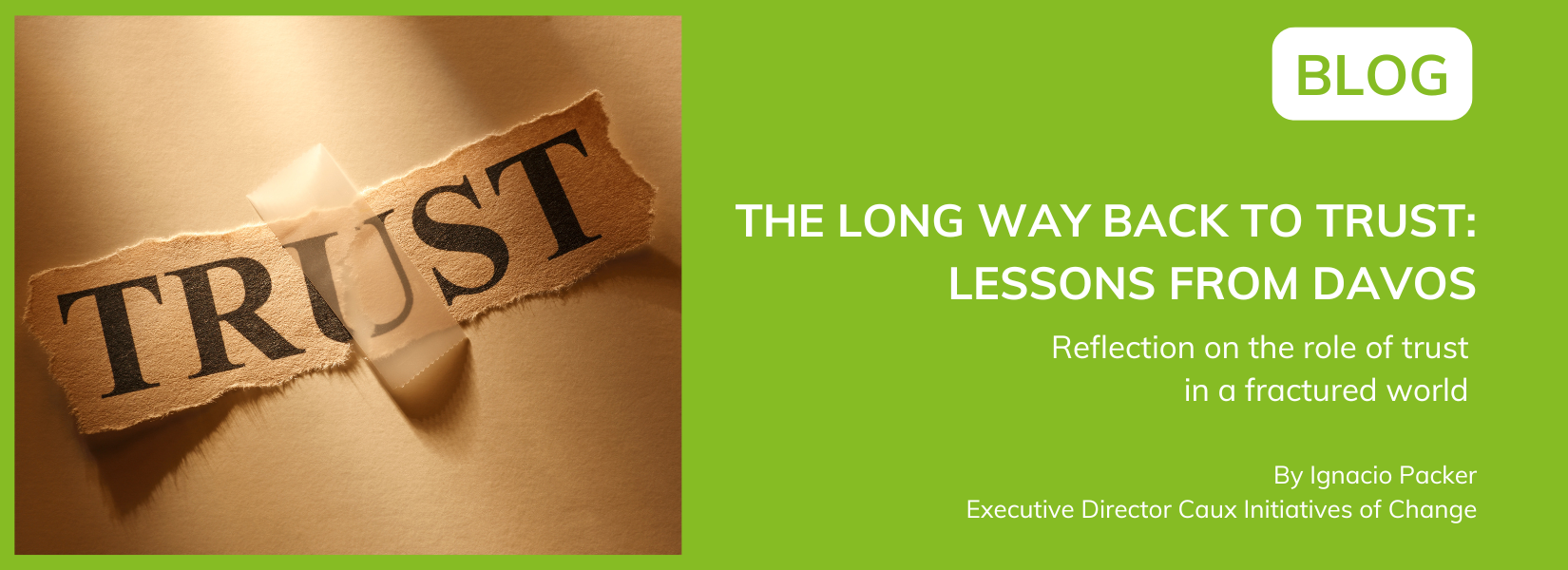
The Long Road Back to Trust: Lessons from Davos

A blog by Ignacio Packer, Executive Director Caux Initiatives of Change

23/01/2026
Featured Story
Off
A blog by Ignacio Packer, Executive Director Caux Initiatives of Change


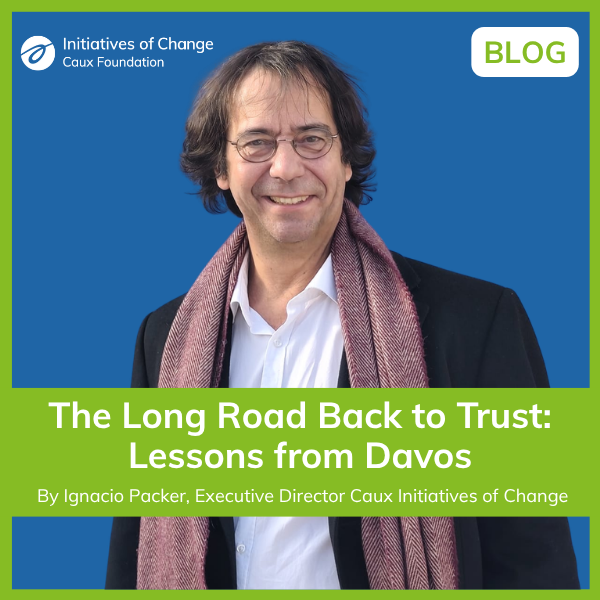
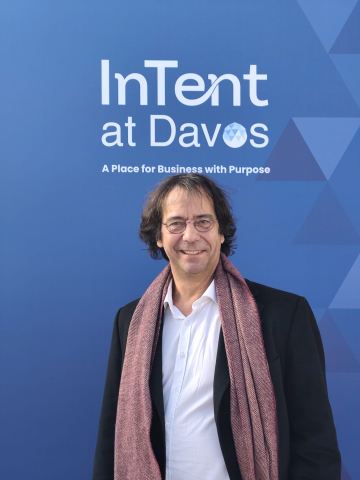
Ignacio Packer in Davos January 2026
Ignacio Packer in Davos

After participating in the World Economic Forum Annual Meeting in Davos on 22 January 2026, Ignacio Packer, Executive Director of the Caux Initiatives of Change Foundation, reflects on the question that stayed with him most: "Can trust still hold in today’s fragmented world?" In this blog, he explores what the erosion of trust means for democracy, cooperation, and leadership — and where renewal might begin.

I’m writing this on the train, on my way back from the World Economic Forum in Davos, with one word echoing in my mind: trust.

I went to Davos this year for three reasons. First, I draw energy from the sheer density of conversations — the collisions of ideas, experiences, and disciplines that are hard to replicate elsewhere. A particular highlight was a lunch discussion on trust organised by the Geneva Graduate Institute, which brought a rare depth and honesty to a concept too often used loosely.

Second, Davos places me face to face with people living very different lives, shaped by different assumptions and priorities. It stretches my capacity to listen carefully and to understand perspectives I do not naturally share.

Third, I wanted to be present in key conversations on food systems, especially as I have just joined the Global Advisory Committee for the Global Conscious Food Systems Summit taking place later this year in Bhutan, led by UNDP-COFSA. At a time of accelerating ecological and social strain, food systems are where trust, power, and human security intersect most visibly.

Across these conversations, one theme was everywhere — and nowhere taken for granted: trust.

Leaders spoke in markedly different registers. Some used blunt force - even disrespectful - rhetoric, others chose calibrated restraint in describing a world shaped by fragmentation, geopolitical tension, technological disruption, and democratic strain. What struck me most was not only what was said about trust, but how leaders are behaving in its absence.

Increasingly, trust is no longer assumed. It is managed.

Powerful actors rely on leverage, pressure, and transactional frameworks to keep cooperation going. Alliances are maintained through safeguards and redundancy rather than confidence. Europe speaks of unity while quietly pursuing greater autonomy. Business is asked to act as a stabiliser, even as public confidence in institutions continues to erode.

These arrangements may keep systems functioning in the short term, but they do not renew legitimacy.

Systems held together primarily by pressure, rules, and transactional deals do not rebuild trust. Without legitimacy, peace becomes fragile and democracy becomes procedural. People may comply, but they no longer believe. Over time, that erosion fuels polarisation, weakens institutions, and increases the risk of conflict.

This is why the question of trust cannot be treated as a communications problem or a governance tweak. It is fundamentally a human one.

Systems held together primarily by pressure, rules, and transactional deals do not rebuild trust.

Davos


A Call to Action — and a Call for Inner Development

This is a call to all who exercise influence — including the current U.S. administration and other global power centres — to lead with integrity, tell the truth, repair what has been harmed, and choose dialogue over domination. In a world under strain, the most strategic asset is not leverage. It is trust.

Rebuilding trust requires more than institutional reform. It requires inner development — the capacity for self-reflection, responsibility, and moral courage. Without this inner work, external systems inevitably default to control, coercion, and performance.

This is where the work of the Caux Initiatives of Change Foundation is especially relevant today.


Trust as a Human and Relational Process

For decades, our work in Caux has approached trust not as a slogan or reputational asset, but as a human and relational process. It has offered neutral ground where political, economic, and cultural divides can be faced honestly, and where cooperation begins with personal responsibility and integrity (read more).

In a world moving toward what some describe as “managed interdependence,” such spaces matter more, not less. Places like the Caux Palace, our centre for dialogue and peacebuilding, allow people to step out of posturing and pressure, meet across divides, and rebuild the relationships that make genuine cooperation possible.
Democracy, after all, does not fail only when institutions weaken.
It fails when trust between citizens, leaders, and systems is allowed to disappear.

In a world under strain, the most strategic asset is not leverage. It is trust.
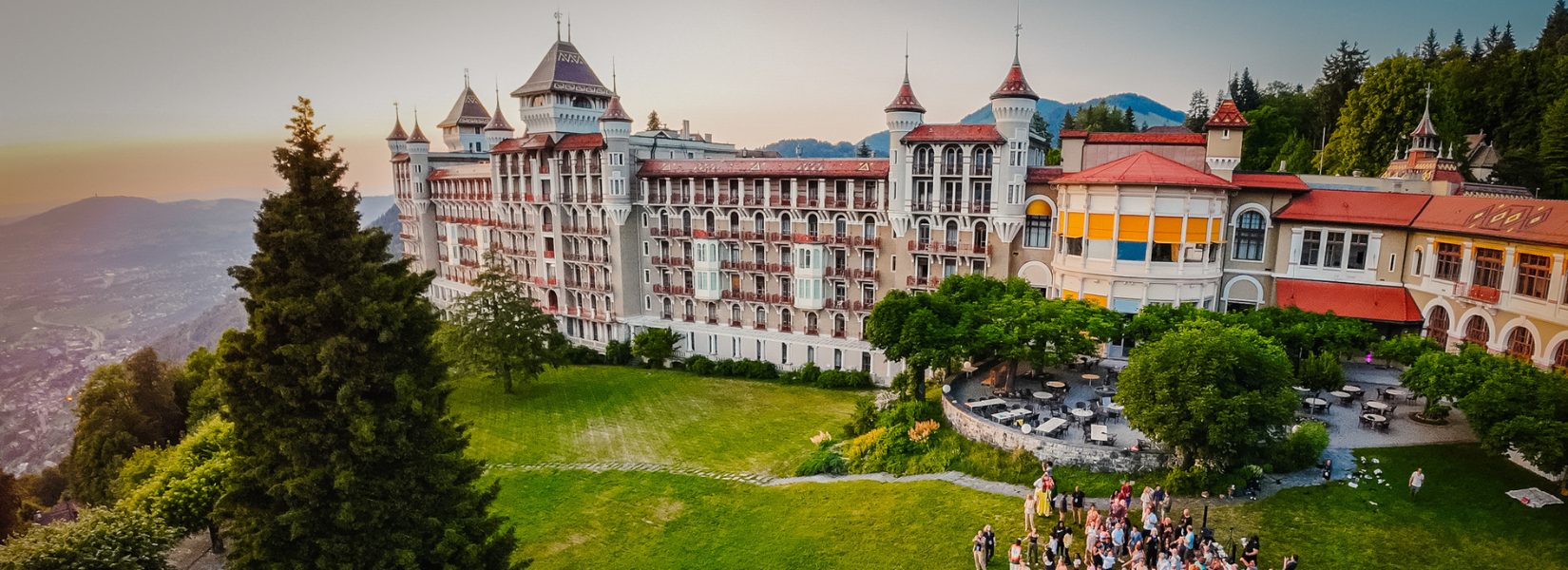
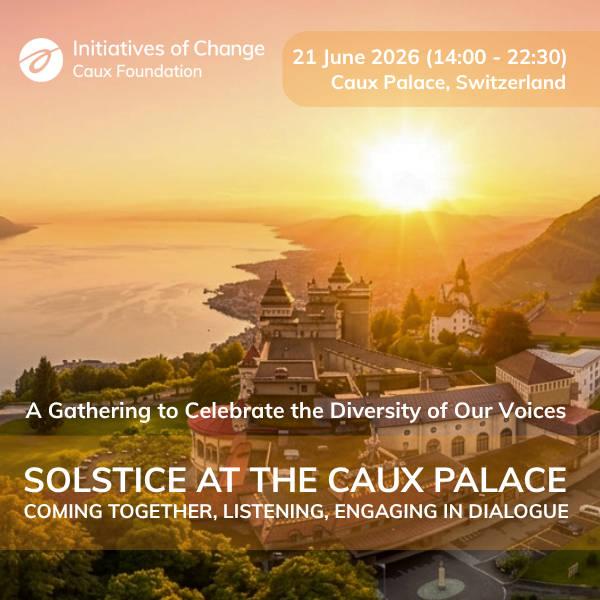
Caux Palace Adrien Giovannelli
The Caux Palace near Montreux (photo: Adrien Giovannelli)


Convening in Caux to rebuild trust

This is why the Caux Foundation will convene its annual Caux Democracy Forum from 22–26 June 2026, opening with a dedicated ceremony at the Maison de la Paix in Geneva. The forum creates space to revitalise democracy, renew hope, foster healing, and strengthen human security across sectors and generations.

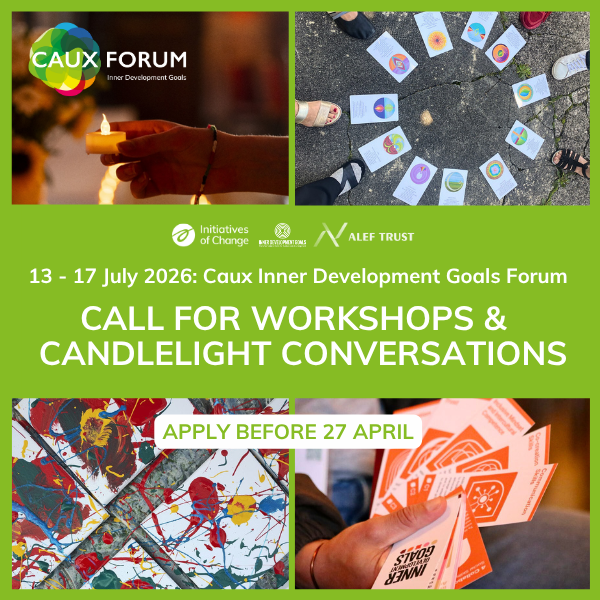
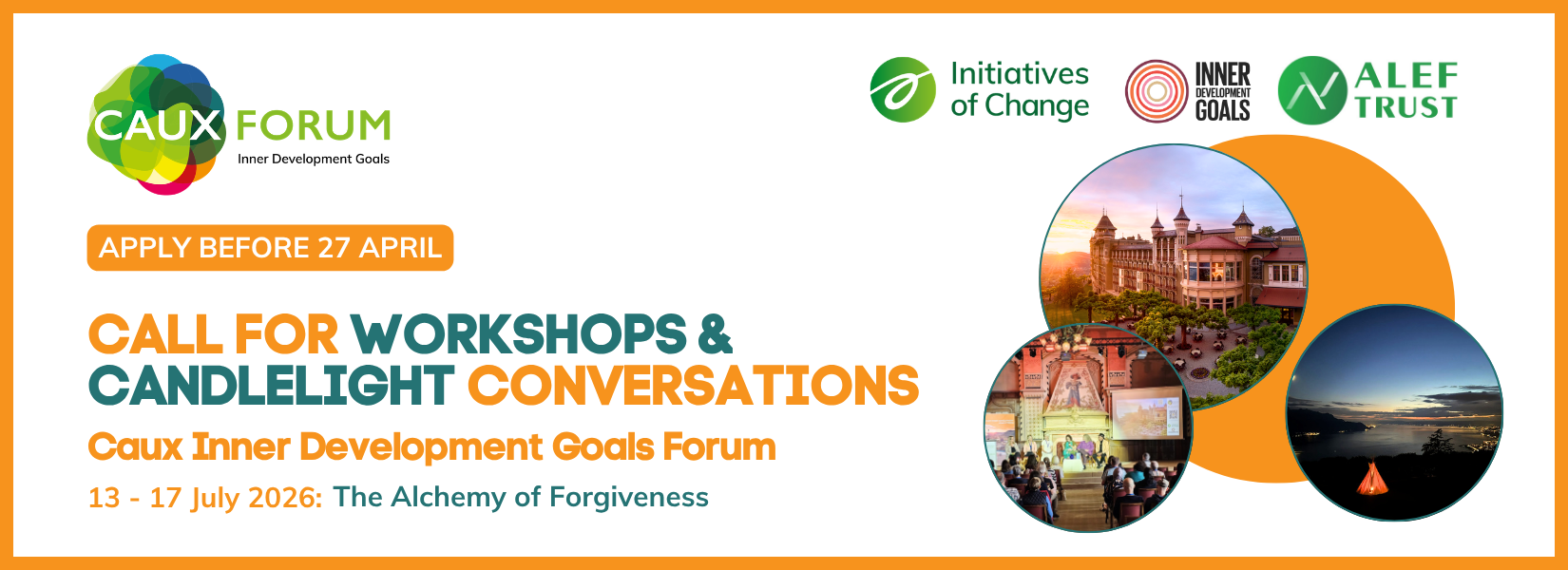
Because trust is deeply human, Caux will also host the Caux Inner Development Goals Forum from 13–17 July 2026, under the theme “The Alchemy of Forgiveness.” By placing forgiveness and inner development at the heart of leadership and systems change, this forum strengthens the personal foundations of peace, resilience, and democratic culture. It supports the difficult but necessary movement from compliance to conscience, from polarisation to repair, and from performative cooperation to lasting legitimacy.
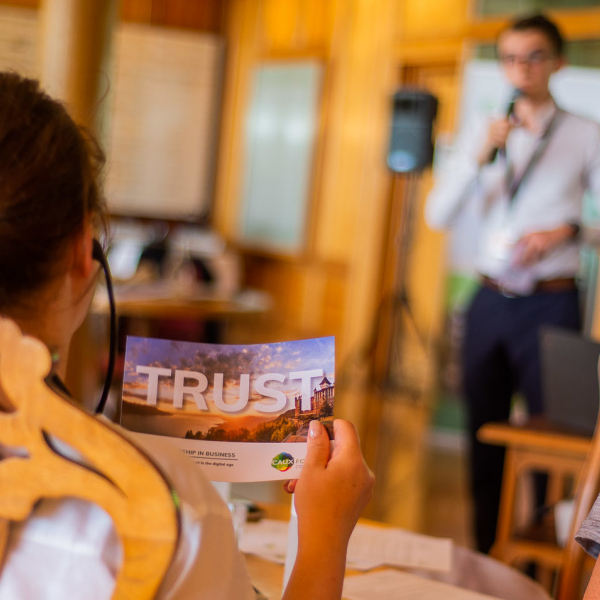
So the question I leave Davos with is not only: can trust still hold?
It is: what are we prepared to do to rebuild it?

Trust will not return through declarations or forums alone. It will return if leaders, institutions, businesses, and citizens choose to invest time, courage, and humility in rebuilding relationships, listening across divides, and aligning power with responsibility.


Choosing the hard work of togetherness

This is an invitation to step out of managed coexistence and into intentional togetherness. Caux offers a place to do precisely that — not as spectators, but as participants. Not to manage decline, but to renew legitimacy.

The work of rebuilding trust cannot be postponed, and it cannot be done alone. It begins wherever we decide to show up, engage honestly, and take responsibility for the future we are shaping together.

You are welcome to Caux.

Trust will not return through declarations or forums alone. It will return if we choose to invest time, courage, and humility in rebuilding relationships, listening across divides, and aligning power with responsibility.

_________________________________________________________________________________________


Discover all our Caux Forum 2026 events and join the conversation! 


Event Categories
Caux Forum
Job Offer
Off

related stories

Lewis Cardinal square EN.png

Lewis Cardinal: The Mountain That Listened

Sometimes the moments that shape our lives arrive unexpectedly. For Lewis Cardinal, one such moment began with a midnight drive up a mountain and grew into a lifelong journey of listening, belonging, ...

Caux IDG 2026 call for workshops EN

Caux IDG Forum 2026: Call for Contributors for Workshops and Candlelight Conversations

Would you like to share your inspiration, ideas, and skills with other participants at the Caux IDG Forum this summer on the theme “The Alchemy of Forgiveness”? We look forward to receiving your appli...

CDF 2025 Caux Democracy Forum report square EN

Caux Democracy Forum 2025: The full report is now available

Discover the full report of the Caux Democracy Forum 2025 which brought together more than 350 participants from over 45 countries at the Caux Palace to reflect and act on the theme “Revitalizing Demo...

Caux IDG Forum Call workshops website square green EN

Caux Inner Development Goals Forum 2025: Call for Workshops

Call for workshops! You would like to give share your inspiration, ideas and skills with other participants at the Caux IDG Forum this summer? We look forward to your application! Applications will be...

Geneva Democracy Dialogue square EN

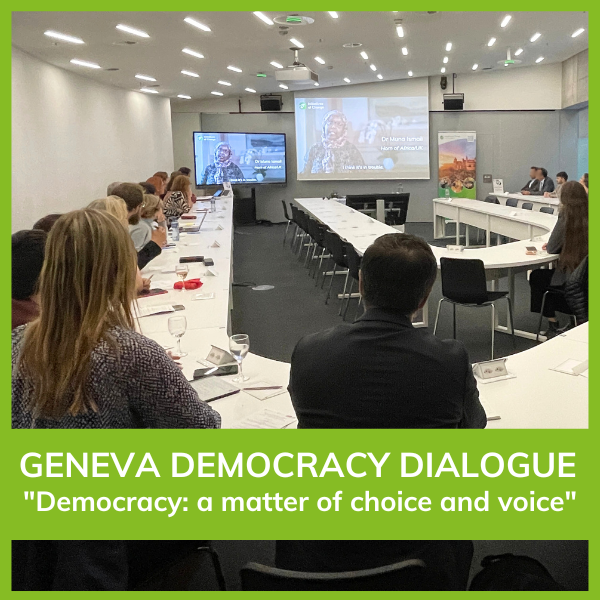
Democracy: a matter of choice and voice

"In a democracy, each of us carries the responsibility to engage, listen and to contribute. It is more than a political system. It is about choice and voice. How does this resonate with you?" With the...

Viki square EN no logo.png

Europe: A Mindset of Diversity

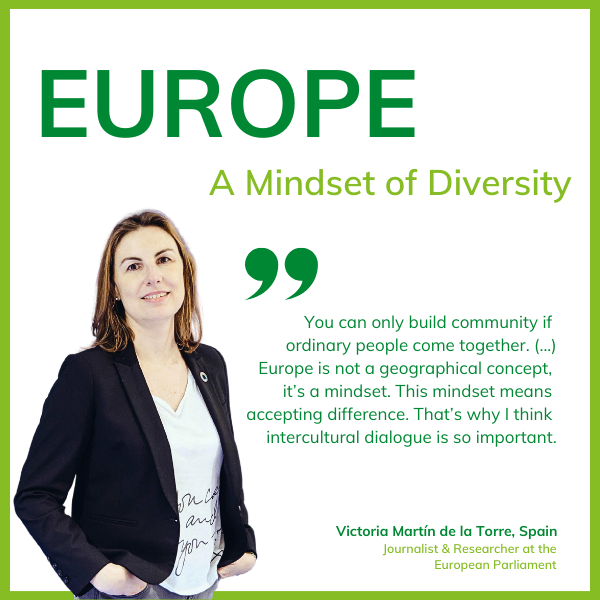
Spanish journalist Victoria Martín de la Torre is passionate about Europe, diversity and interfaith relations. Here she reflects on different aspects of Europe, based on her PhD research which led her...

Polina and Katya square faces EN

What is the meaning of home?

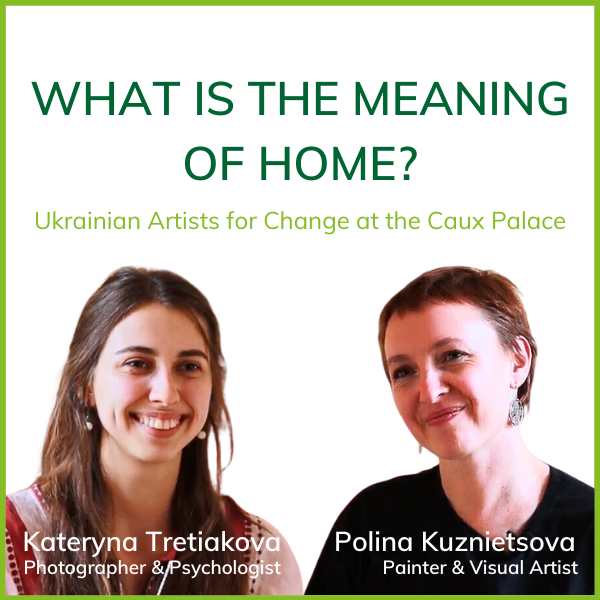
Amid escalating conflicts worldwide, the arts emerge as a potent force to challenge misconceptions and foster positive perspectives. The pivotal role of artists in creatively raising awareness has nev...

Ignacio India blog

Walking the Talk in Business

On 25 - 28 January, some 60 CEOs and other senior staff came together under Chatham House Rules to share personal experiences on how to balance a sustainable business with integrity and trust. Executi...

Save the date Caux Forum 2024 EN

Caux Forum 2024: Save the Date!

Save the date for the Caux Forum 2024! This summer Caux Initiatives of Change, in partnership with Initiatives of Change International and supported by other civil society networks, UN agencies, phila...

Caux Forum opening square website EN

Filling the gap in global efforts for peace and democracy

The Caux Forum 2023 Opening Ceremony set the tone for the conference with the theme, ‘Strengthening Democracy: The Journey from Trauma to Trust.’. Discover the report and relive the highlights of this...

Tsvetana 13 Sept 2023

Finding purpose and harmony through music and the Caux Palace

In a world filled with diverse cultures and languages, the journey of musician Tsvetana Petrushina is an inspiring tale of how she discovered her purpose. Her remarkable story led her to the Caux Pala...

Save the date 2023 square no date

Caux Forum 2023: Save the Date

We are excited to announce the Caux Forum will be back in Caux next summer! Find out more and save the date! ...

Arpan Yagnik

Arpan Yagnik: Mountains to climb

Arpan Yagnik, a participant of last year's Creative Leadership conference and team member of the IofC Hub 2021, talks to Mary Lean about creativity, fear and vocation. ...

YAP 2021 article square

Young Ambassadors Programme 2021: Learning to listen

When Indonesian law student Agustina Zahrotul Jannah discovered the Young Ambassadors Programme (YAP) on Google she felt both excited and hopeless: excited because she hoped it might give her the skil...


Olivier Chambovay

An experienced Swiss executive, Olivier Chambovay has over 25 years of experience in governance, strategy and conscious leadership. As former Chief Financial Officer of the Central Institute of Valais Hospitals (approx. 600 employees), he oversaw institutional performance, led major cross-functional projects and implemented a conscious business concept (shared governance, team charter, feedback training, positive error culture and sustainability).

Aline Zingaro

Aline Zingaro grew up not far from Lausanne and has been living on the Vaud Riviera for the past twelve years, a region she is particularly fond of. She has always enjoyed combining administrative work with social engagement, and was delighted to join the team at the Caux Foundation, which promotes values that are close to her heart. Human relations and quality of work are central to her concerns.

Olivia Chollet

Olivia Chollet holds a BA in International Relations from the University of Geneva, a MA in Pacific Asian Studies from the University of London (SOAS) and a Graduate Certificate in Public Policy from the Australian National University. She is currently pursuing a part-time MA degree in Sustainability at the University of Lausanne.

Subscribe to